Parents planning a half-term treat
For a drink served to children at home, compare the stated portion and sugars in the prepared mug, and check allergens before serving.


For a half-term drink at home, choose an instant powder with hot-water instructions if quick preparation matters, or a drinking chocolate with a hot-milk recipe if you want to make it with milk. Compare sugars using each product’s stated prepared serving and check the current pack for allergens. Supplying a drink in an England school is a separate question under school-food rules, not one settled by a retail HFSS description.
For a drink served to children at home, compare the stated portion and sugars in the prepared mug, and check allergens before serving.
An instant mix can suit a household that does not want to heat milk for the recipe. Hot-water instructions do not mean the powder is free from milk or soya: Tesco and ASDA list both allergens for Galaxy Instant Hot Chocolate.
For provision in a state-funded school, assess the exact drink and menu against the applicable England school-food requirements described by the Department for Education. A home-snack choice or retail HFSS description does not make that decision.
Start with how you intend to make the drink, then compare the portion, sugars and allergen information for that preparation.
| Priority | What to check | Your needs |
|---|---|---|
| Preparation | Read the liquid and portion instructions. Tesco describes Galaxy Instant Hot Chocolate as mixed with hot water and Cadbury Drinking Chocolate as mixed with hot milk. | I want to know whether I can make the drink with hot water or need to heat milk. |
| Sugars per serving | Compare the stated serving size and sugars for the prepared drink, not powder-only figures against a finished mug. Tesco lists 16g sugars for a 25g Galaxy Instant portion made with 200ml water and 23g total sugars for its stated milk-prepared Cadbury serving. The NHS notes that label total sugars include naturally occurring milk sugars, so these figures are not a like-for-like comparison of free sugars. | For a child’s snack, I want the figure that corresponds to the drink I will actually serve. |
| Allergens | Check the exact pack, including any may-contain statement. Tesco and ASDA list milk and soya for Galaxy Instant; Tesco says Cadbury Drinking Chocolate may contain milk. | If someone drinking it has an allergy, a familiar brand or hot-water recipe is not enough for me to judge suitability. |
| School provision | For a state-funded school in England, check the recipe and menu against the Department for Education’s school-food guidance. The Department of Health and Social Care’s England HFSS promotions guidance addresses retail promotions and placement, not school-menu approval. | If I am buying for school catering, I need to assess the proposed drink in its school setting rather than rely on a home-use label. |
A powder-only figure and a milk-prepared serving describe different quantities. Total sugars in a milk-based drink also include milk sugars, which the NHS distinguishes from free sugars.
Check each pack’s portion, preparation liquid and prepared-serving basis before comparing drinks.
Galaxy Instant Hot Chocolate is made with hot water, but the Tesco and ASDA listings identify milk and soya as allergens.
Read the allergen statement on the exact pack before serving it to someone with an allergy.
The Department of Health and Social Care’s HFSS promotions guidance concerns qualifying retail promotions and placement in England. The Department for Education describes separate requirements for food and drink provided in state-funded schools in England.
For school provision, assess the actual drink, recipe and menu against the applicable school-food requirements.
These product-line examples show why preparation instructions and pack details matter more than the brand name alone.
Tesco lists Cadbury Drinking Chocolate as a powder to swirl into hot milk.
Tesco and ASDA describe Galaxy Instant Hot Chocolate as prepared with hot water.
M&S lists instant hot chocolate, chocolate flakes and a separately named Low Calorie Instant Hot Chocolate in its range.
These options include drinking chocolates for a milk-based recipe and instant or other chocolate drink powders for a half-term drink at home. Check each pack’s preparation and allergen details before choosing.
 No image available
Consider this drinking chocolate if you want a hot-milk recipe. Check the current pack’s prepared-serving information and milk allergen statement before serving.
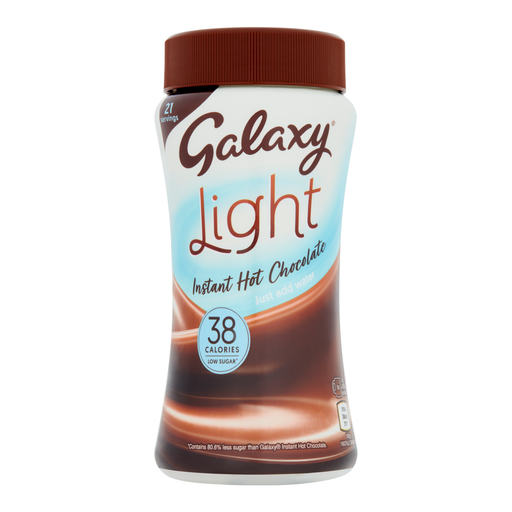 No image available
This instant option is relevant if you prefer hot-water preparation. Check the current pack for mixing directions, allergens and sugars on the prepared-drink basis; figures for Galaxy Instant Hot Chocolate do not establish the figures for this Light variant.
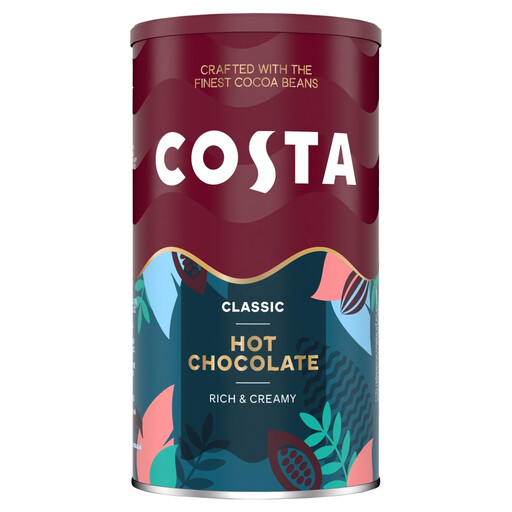 No image available
For a drink mixed with milk or a plant-based alternative, check the pack’s preparation directions and allergen statement. Compare sugars only after confirming the basis for the finished serving.
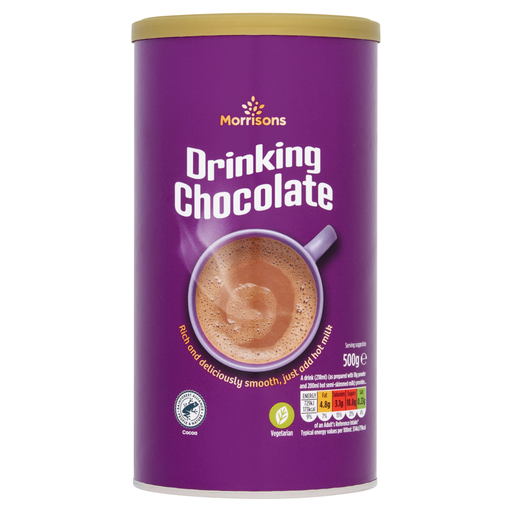 No image available
Consider this drinking chocolate for a hot-milk recipe. Check the current pack for its portion, prepared-serving sugars and allergen statement before comparing it with another mix.
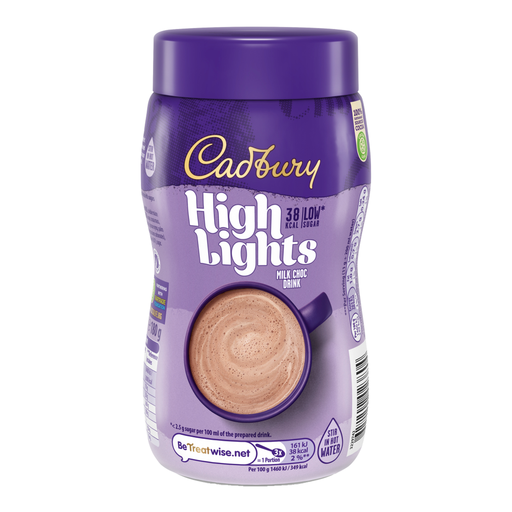 No image available
If this chocolate drink appeals for a half-term snack, check the pack’s mixing ratio and the basis of its serving figures before comparing sugars. Check its milk allergen information for the person being served.
Yes. Tesco and ASDA list milk and soya for Galaxy Instant Hot Chocolate despite its hot-water instructions. Check the exact pack’s allergen statement rather than judging it by the liquid added.
Use the stated portion and sugars for the drink as prepared, checking whether the recipe uses water or milk. The NHS distinguishes free sugars from label total sugars, which also include naturally occurring milk sugars; the two measures should not be treated as identical.
No. Check the particular product’s current nutrition and allergen label rather than inferring either from its name. M&S warns that its product information can change.
The Department for Education’s school-food guidance addresses food and drink provided in state-funded schools in England, not a family drink made at home. If the drink is instead being supplied at school, assess that provision in its own context.
No. The Department of Health and Social Care’s HFSS promotions guidance concerns qualifying retail promotions and placement in England; school-food requirements are separate. For provision in a state-funded school in England, check the actual recipe and menu against the applicable school-food requirements rather than relying on a retail description.