
24/7 Customer Support

Free returns

Same-day & Next-day Delivery

Quality Guaranteed

Unlock Your Welcome Offers: FREE Delivery | Up to 80% OFF | Free 30-day JoyPlus trial
Download the APP
Choosing a hot pepper sauce is not simply a question of picking the bottle with the fiercest-looking label. UK shoppers often end up with a sauce that is too hot for everyday meals, too sweet for savoury cooking or unsuitable for their dietary needs. The right choice depends on heat, ingredients, texture, storage and how you plan to use it.
As the Joybuy Product Recommendation Officer, I focus on practical differences rather than marketing language. Here is how to compare hot chilli sauce, pepper sauce and international varieties before buying.
An “extra hot sauce” may deliver a strong burn but little depth, while a milder spicy sauce can bring vinegar, garlic, citrus, tamarind or pepper flavour to a dish. Heat intensity is only one part of the buying decision.
For everyday meals, a sauce with noticeable acidity and seasoning may be more useful than one designed purely for heat challenges. Check the pepper type and its position in the ingredients list rather than relying only on front-of-bottle wording.
Many sweet chilli-style sauces contain sugar near the beginning of the ingredient list. For example, Malaysian and Thai chilli sauces often balance chilli with sweetness, making them suitable for dipping but different from a sharp vinegar-based hot sauce.
Salt levels also vary considerably. The product label is the reliable source, particularly if you use a sauce frequently or add it to already seasoned foods.
A 57ml bottle can be practical for occasional use, travel or a first purchase, whereas an 820g bottle suits households that use sriracha sauce regularly. However, larger bottles may take longer to finish after opening and often require refrigeration.
Always check the storage instructions. Some products can remain in a cool, dry cupboard before opening but require refrigeration afterwards. The stated consumption period also differs, so match the size to your likely usage.
Look for clear descriptions such as mild, medium, hot or extremely hot, but treat these as broad guidance rather than a universal measurement. Pepper percentages can provide more useful context:
Start with a small amount when trying a new sauce, especially one containing Scotch Bonnet, habanero or ghost chilli.
A thin pepper sauce is easy to dash over eggs, pizza, soup or a Bloody Mary. Thicker chilli sauces cling more readily to chips, spring rolls, grilled foods and burgers.
Consider the format you need:
A sauce designed for dipping may contain more sugar, while a vinegar-based pepper sauce can be more adaptable in soups and savoury recipes.
Read the full label, including allergen advice. ABC Original Chilli Sauce contains soybeans and wheat through its soy sauce, while Cholula Original lists soybeans. Encona Pepper Sauce Extra Hot contains mustard. Samyang Buldak sauces include soy and wheat ingredients and may contain traces of several allergens.
For UK shoppers, packaging remains the final reference because recipes, allergen statements and storage information can change. Check the best-before date, net quantity, country of origin and instructions after opening before serving.
The following recommendations cover different levels of heat, cuisines and household usage. Product information is based on the supplied listings; check the bottle label before consumption.
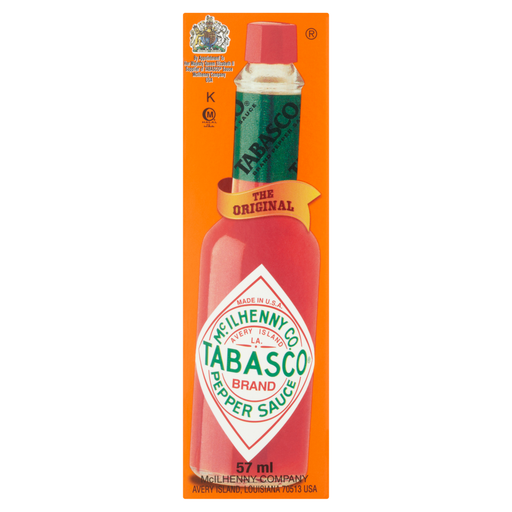
Why This Suits Their Persona: The small 57ml bottle offers a manageable way to try a classic vinegar-based hot pepper sauce without committing to a large quantity.
Its ingredient list is concise: distilled vinegar, red pepper and salt, making the flavour profile easier to understand before purchase.
Thin consistency; suitable for eggs, pizza, soups, meats and drinks. No refrigeration is required according to the listing.
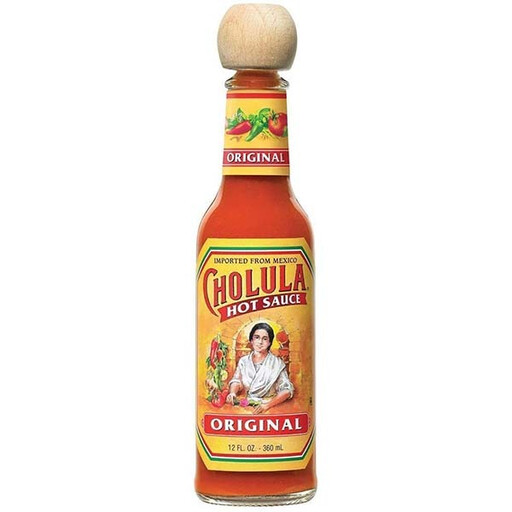
Why This Suits Their Persona: Shoppers seeking a Mexican-style hot sauce with pepper and spice character can use this 150ml bottle across breakfast, tacos, pizza and soups.
The listing identifies arbol and piquin peppers, vinegar, spices and soybean oil, helping distinguish it from a simple vinegar-and-chilli sauce.
Smooth, pourable texture; suitable for table use, marinades, dressings and cooking. Contains soybeans, so review allergen information.
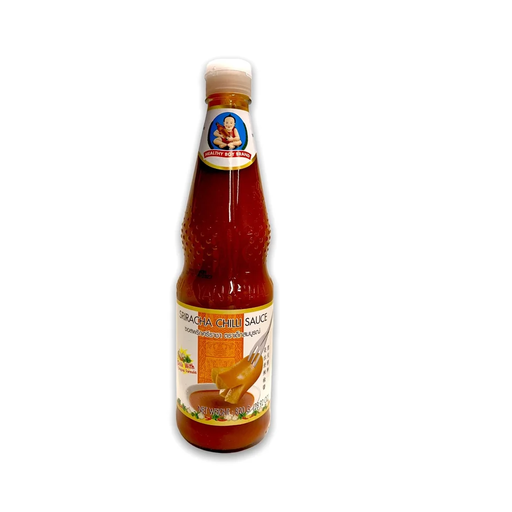
Why This Suits Their Persona: The larger format is suited to regular users who add Thai chilli sauce to noodles, stir-fries, spring rolls, soups and marinades.
The 820g quantity is clear, making it easier to judge value against your actual consumption rather than buying repeated small bottles.
Contains chilli, garlic and sugar; the listing states that it is suitable for vegans and vegetarians and should be refrigerated after opening.

Why This Suits Their Persona: This suits shoppers who specifically want a Caribbean-style Scotch Bonnet sauce for jerk chicken, wings, rice dishes and stews.
The product clearly states its 45% Scotch Bonnet content and extreme heat warning, reducing uncertainty for buyers seeking substantial heat.
220ml bottle; pepper-forward profile; suitable for marinades, grilled food and stews. Refrigerate after opening and use sparingly.
We have compiled a complete, real-time list of products that fully satisfy these strict selection criteria and UK safety regulations.
Wash your hands after handling very hot products and avoid contact with eyes and sensitive skin. Keep bottles securely closed and follow the storage instructions on the packaging.
The terms overlap, but recipes vary. A hot pepper sauce often has a thin, vinegar-led texture, while chilli sauce may be thicker, sweeter and contain garlic, tomato, fruit or starch. The ingredient list and intended use provide a more dependable comparison than the name alone.
Many products recommend refrigeration after opening, including several Thai, Caribbean and sriracha-style sauces. Others may state that refrigeration is not required. Follow the bottle or product listing, keep the cap clean and observe any recommended use period.
Select the smallest practical bottle first, check the named pepper and read the heat warning. A 100–150ml bottle can be a sensible starting point for ghost chilli, Scotch Bonnet or habanero sauces. If you mainly want everyday versatility, a medium or vinegar-based sauce may be more suitable than an extremely hot formula.