
24/7 Customer Support

Free returns

Same-day & Next-day Delivery

Quality Guaranteed

Unlock Your Welcome Offers: FREE Delivery | Up to 80% OFF | Free 30-day JoyPlus trial
Download the APP
Navigating the world of hot pepper sauce can be a challenge. Shelves are packed with bottles promising authentic flavour and blistering heat, but not all deliver on their claims. Many home cooks and food enthusiasts find themselves with a cupboard full of sauces that are either all fire and no flavour, or too mild to make an impact. As a Joybuy Product Recommendation Officer, my role is to help you see past the marketing and choose a sauce that genuinely suits your taste and cooking style.
Before you add another bottle to your basket, let's look at some common pitfalls that lead to disappointing purchases.
To avoid these issues, focus on a few key details on the product label. These objective markers will tell you more about the sauce's quality than any marketing slogan.
The heart of any hot pepper sauce is the chilli itself. The type of pepper dictates the flavour and the nature of the heat.
UK food labelling regulations require ingredients to be listed in descending order of weight. This is your most reliable tool for assessing quality. If the first ingredient is water, vinegar and sugar, you are likely getting a diluted product. Look for sauces where the pepper varietal is listed first or second, ensuring the chilli is the star of the show. This simple check helps you distinguish a genuine fiery table condiment from a watered-down imitation.
Consider the product's format. A thin, vinegar-based sauce is perfect for dashing over eggs, stews and rice and peas. A thicker sauce may be better suited as a glaze or spicy marinade for grilled meats. Dry spice mixes, like those used for Suya or Obe Ata, offer the most control, allowing you to build flavour from scratch in soups and rubs. Matching the format to your cooking habits is essential.
Based on these practical criteria, here are a few recommendations matched to different user needs.
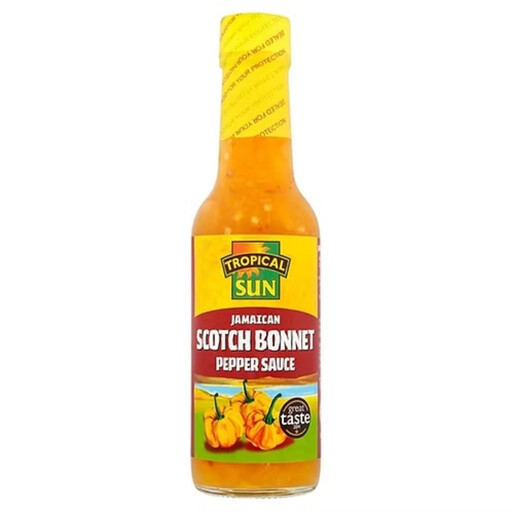
Why This Fits Their Persona: Ideal for the home cook who wants the genuine taste of a Jamaican hot sauce. It's designed to add a classic Caribbean kick to dishes like barbecue wings, codfish fritters and stews, prioritising flavour alongside heat.
It sidesteps the "heat over flavour" pitfall by using a specific pepper—the yellow Scotch Bonnet—known for its fruity notes. With Scotch Bonnet Peppers at 30%, it avoids the dilution trap and delivers an authentic taste.
Its Great Taste Award provides a third-party indicator of its quality flavour profile. It is also free from artificial colours and flavours, appealing to those who prefer cleaner ingredient lists.

Why This Fits Their Persona: This is for the 'chilli-head' who is specifically looking for an extra hot chilli sauce. It's designed for a challenge and should be used sparingly to add an intense, fiery kick to dishes.
This sauce is transparent about its purpose. It avoids the "misleading authenticity" trap by not pretending to be a traditional cooking sauce. It clearly states it is made with Carolina Reaper Chillies (21%) for extreme heat.
It delivers exactly what it promises: intense heat from a world-renowned pepper. The inclusion of garlic and onion purée suggests an attempt to provide some flavour base beneath the fire.
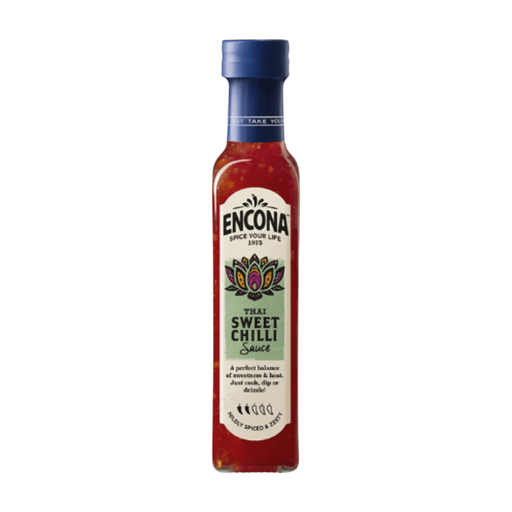
Why This Fits Their Persona: Perfect for those who need a multi-purpose sweet chilli sauce for dipping spring rolls, glazing chicken or adding a mild, tangy kick to stir-fries. It's a family-friendly option where extreme heat is not the goal.
It avoids the "hidden sugar" trap by being upfront about its nature. As a Thai sweet chilli sauce, sugar is an expected key ingredient for its flavour profile. The Red Chillies (12%) provide a mild, balanced heat rather than an empty, sugary taste.
Its primary advantage is versatility. It functions equally well as a dipping sauce, glaze or a simple condiment. The balance of sweet, tangy and mild heat makes it accessible to a wide range of palates.
We have compiled a complete, real-time list of products that fully satisfy these strict selection criteria and UK safety regulations.
Most commercially produced hot pepper sauces are high in vinegar and salt, which act as natural preservatives. Once opened, it is advisable to store the bottle in the refrigerator. Most manufacturers recommend consuming the sauce within 6 to 8 weeks for the best flavour and quality, though many will last longer. Always check the label for specific storage instructions.
While there is a lot of overlap, the term Jamaican hot sauce is most closely associated with the Scotch bonnet pepper. This pepper gives the sauce its signature combination of intense heat and a distinctly fruity, almost sweet, flavour. Hot sauces from other Caribbean islands might use a blend of different peppers, such as Habaneros, bird's eye chillies or others, leading to variations in taste and heat level.
Yes, many hot sauces work well as a base for a spicy marinade. For the best results, look for a sauce with a slightly thicker consistency. You can mix a vinegar-based fiery table condiment with oil, citrus juice, garlic and herbs to create a more balanced marinade that will tenderise and flavour meat or vegetables without being overwhelmingly acidic.