
24/7 Customer Support

Free returns

Same-day & Next-day Delivery

Quality Guaranteed

Unlock Your Welcome Offers: FREE Delivery | Up to 80% OFF | Free 30-day JoyPlus trial
Download the APP
As a Joybuy Product Recommendation Officer, I often see how a simple gathering can be transformed into a memorable feast with the right ingredients. A steaming hot pot is the centrepiece of many such occasions, but the experience can be quickly soured by one common mistake: choosing the wrong beef. A cut that’s too tough or sliced too thick can turn a delightful meal into a chewy disappointment.
Navigating the frozen food aisle can be tricky. To help you get it right every time, let's look at a few common pitfalls when buying hot pot beef and how to avoid them.
To ensure you bring home the perfect beef for your next meal, focus on these key parameters. They are the difference between a good hot pot and a great one.
The single most important factor for hot pot beef is its thickness. You are looking for thinly sliced beef, typically between 1-2mm. This allows the meat to cook in seconds when swished through the boiling broth, a method popular in both Chinese hot pot and Japanese shabu shabu.
Marbling refers to the fine threads of intramuscular fat within the meat. In a hot pot, this fat is your friend. As the beef cooks in the broth, the marbling melts, basting the meat from within and creating an exceptionally tender and juicy texture. A completely lean slice, by contrast, has a higher chance of becoming dry and chewy. When selecting your beef, look for visible white flecks and lines distributed throughout the red meat.
A truly great hot pot often features a variety of textures. Beyond standard slices, consider adding traditional items to elevate your meal.
To make your choice easier, here are some recommendations matched to different cooking styles and preferences.
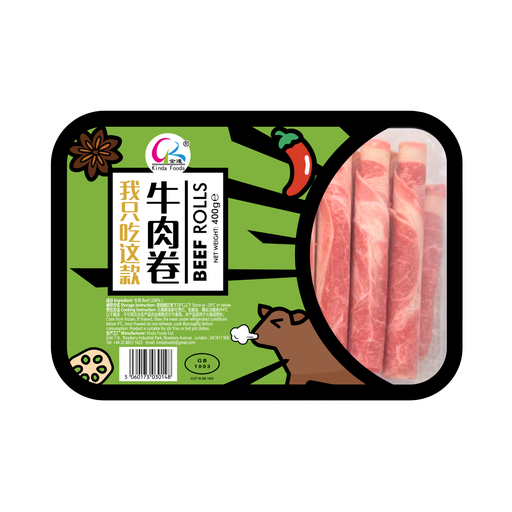
Why This Fits Their Persona: This is an excellent all-rounder for anyone who wants a reliable, no-fuss option. It's versatile enough for hot pot, a quick sukiyaki beef bowl or even a simple beef for stir fry, making it a convenient freezer staple for busy UK households.
It is specifically machine-sliced for hot pot, ensuring the uniform thinness needed for quick cooking and avoiding the "too thick" problem of generic beef slices.
Well-balanced marbling provides consistent tenderness and flavour. The 400g pack is a practical size for a small family meal.
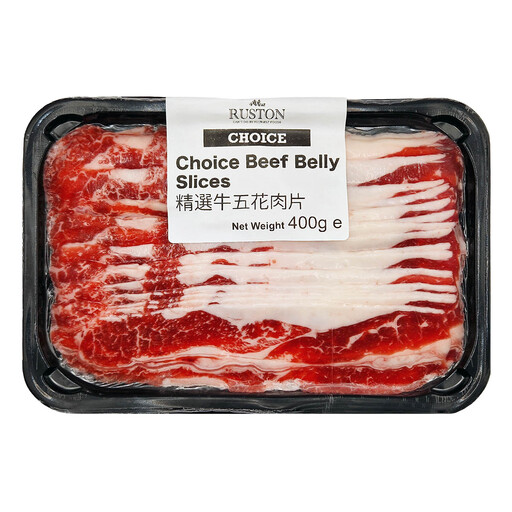
Why This Fits Their Persona: For the diner who believes fat is flavour, these beef belly slices are the ideal choice. The high marbling content delivers that rich, savoury and incredibly tender bite that hot pot connoisseurs crave.
This product directly counters the pitfall of choosing overly lean meat. It celebrates the fat content, which is essential for the authentic, rich flavour profile expected in a high-quality hot pot.
The layers of fat and lean meat render beautifully in broth, creating a deep, satisfying flavour. It is sourced from UK or Irish beef.

Why This Fits Their Persona: When hosting a larger group or family with specific dietary needs, this product is an ideal solution. The generous 800g pack ensures there's plenty to go around and the clear Halal labelling provides peace of mind.
This product removes the guesswork and uncertainty of finding suitable halal hot pot beef. The certification is clear, allowing for confident purchasing.
It offers both Halal certification and a large pack size, making it perfect for gatherings. The beef rolls have a good balance of fat and lean meat for a tender result.
We have compiled a complete, real-time list of products that fully satisfy these strict selection criteria and UK safety regulations.
1. Can I just use a regular steak for hot pot? While you can, it's not ideal. Steaks are typically cut much thicker (e.g., 1-2 cm) for searing or grilling. To use a steak for hot pot, you would need to partially freeze it and then attempt to slice it paper-thin, which is very difficult without a commercial slicer. Using pre-sliced hot pot beef slices is far more convenient and yields better results.
2. How should I cook frozen beef slices for hot pot? There is no need to defrost them completely. In fact, cooking from frozen or semi-frozen helps the thin slices hold their shape. Simply take a few slices at a time with your chopsticks, immerse them in the boiling broth and swish them around for 10-20 seconds until the colour changes from red to brown. They cook very quickly.
3. What is the difference between beef for shabu-shabu and sukiyaki? The terms are often used interchangeably for thinly sliced beef, and the same product can typically be used for both. Traditionally, beef for shabu shabu might be sliced marginally thinner as it's cooked in a light broth. Sukiyaki beef is cooked in a richer, sweeter soy-based sauce in a shallow pot, so a slightly thicker slice (around 2mm) can hold up well. However, any high-quality, thinly sliced beef with good marbling will work well for both dishes.