
24/7 Customer Support

Free returns

Same-day & Next-day Delivery

Quality Guaranteed

Unlock Your Welcome Offers: FREE Delivery | Up to 80% OFF | Free 30-day JoyPlus trial
Download the APP
As a Joybuy Product Recommendation Officer, my role is to help you navigate the crowded online marketplace. When it comes to sourcing ingredients for an authentic Asian meal at home, especially something as central as hot pot beef, the choices can be overwhelming. Many UK shoppers, whether they're recreating a family recipe or trying shabu-shabu for the first time, find themselves facing a few common issues. Let's look at how to sidestep these pitfalls and choose with confidence.
Finding quality beef for your hot pot, Korean BBQ beef night or a quick sliced beef for stir fry shouldn't be a gamble. Yet, many products rely on confusing labels and hidden compromises. Here are two frequent problems to watch for:
To ensure you get tender, flavourful results every time, focus on these key parameters instead of marketing buzzwords.
For quick-cooking methods like hot pot or shabu shabu beef, the cut is critical. You're looking for cuts known for tenderness, such as rump, sirloin or ribeye. More importantly, look for good marbling—the fine threads of intramuscular fat. This fat melts during the brief cooking time, keeping the meat juicy and flavourful. A lean, unmarbled cut will likely turn tough and chewy in the hot broth.
Always check the ingredients list on the packaging. For plain beef slices, the list should be very short, ideally just "Beef (100%)" or close to it (e.g., "Beef 98%, Salt"). This is your assurance against the "water weight" trap. For other items like beef tendon balls or marinated slices, the list will be longer, but it still provides clarity on what you are buying. This transparency is also crucial for dietary needs, such as finding certified halal beef slices.
The perfect hot pot beef is sliced paper-thin, typically 1-2mm. This allows it to cook in just a few seconds in the simmering broth. Frozen beef rolls are excellent for this, as they are machine-sliced for uniformity and hold their shape. For other textural ingredients, the format is just as important. Beef tripe should be cleaned and cut into manageable pieces that offer a satisfying chew, while beef tendon is often sold in chunks, ready for the slow-cooking required to make it gelatinous and tender.
To make your choice easier, we've matched some popular options to different cooking styles and preferences.

Why This Fits Their Persona: Perfect for those new to hot pot who want a reliable, no-fuss option. The pre-sliced roll is incredibly convenient, and its simple composition makes it a versatile starting point for any broth.
With an ingredient list of just "Beef (98%), salt," it directly counters the water-injection pitfall. You are paying for beef, not water. It avoids vague "premium" claims, focusing on a high beef content.
High beef percentage ensures good flavour and texture. The frozen roll format keeps slices thin and easy to portion for hot pot or a quick stir-fry.
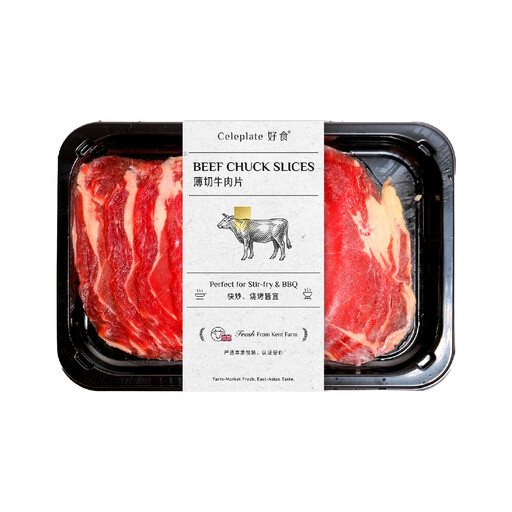
Why This Fits Their Persona: For those hosting a dinner or who simply appreciate a more refined texture. This product is ideal for Japanese sukiyaki or a delicate hot pot where the quality of the meat is the star.
It bypasses vague "premium" labels by providing specific, verifiable details: the cut is beef rump from a young bull (around 15 months old) raised in Spain. This is tangible information, not just marketing.
The younger age of the beef results in a noticeably more delicate and tender texture. It is 100% beef rump with no additives, offering a pure and high-quality eating experience.
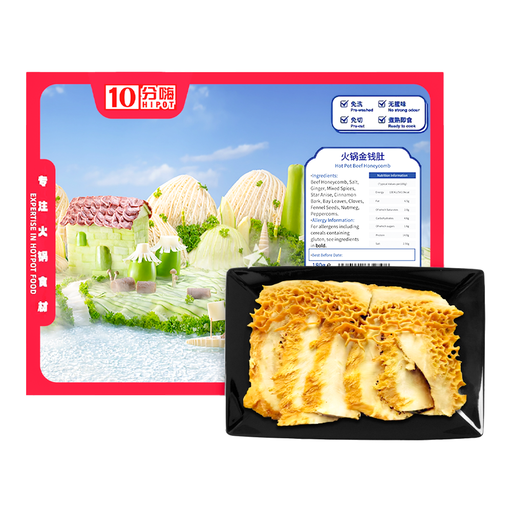
Why This Fits Their Persona: For the foodie aiming to create a truly authentic hot pot experience. This person understands that texture is as important as flavour and seeks out classic ingredients like offal to add variety and depth to the meal.
This is a specific, named product—beef honeycomb tripe—not a generic "beef" item. Its value is in its unique texture, a clear and objective attribute, which prevents any misleading quality claims.
Provides the classic chewy, crisp texture that is a hallmark of Sichuan-style hot pot. Its honeycomb structure is excellent for soaking up the flavours of the broth.
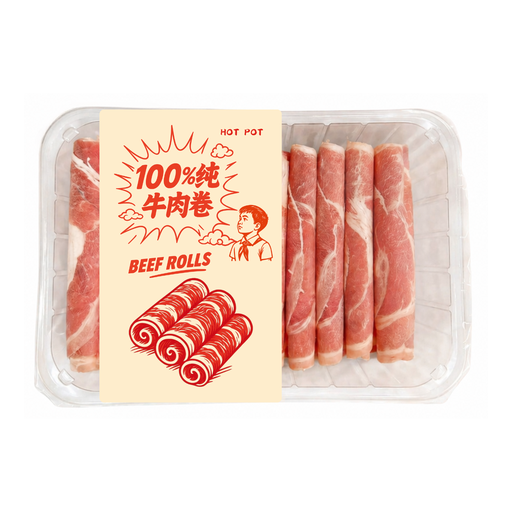
Why This Fits Their Persona: For individuals or families requiring Halal-certified products. This option provides the convenience of pre-sliced hot pot beef while adhering to important dietary standards, making it an inclusive choice for gatherings.
Its primary selling point is a verifiable certification (Halal), not a subjective marketing term. The product is straightforward: 100% beef, thinly sliced for convenience, meeting a clear consumer need.
Provides a reliable Halal option for hot pot and stir-frying. The pre-sliced format saves significant preparation time, and the 100% beef content ensures pure flavour.
From ready-to-eat Asian beef snacks to the perfect cuts for your main course, understanding the product specifics is key. By focusing on the cut, ingredients and format, you can confidently select the right beef for a delicious and authentic meal.
We have compiled a complete, real-time list of products that fully satisfy these strict selection criteria and UK safety regulations.
1. Can I use any sliced beef from the supermarket for hot pot? While you can, it is not ideal. Most supermarket beef is sliced too thickly for hot pot. Hot pot beef should be 1-2mm thick to ensure it cooks in seconds. Using a thicker cut will require longer cooking, often resulting in a tough, chewy texture that is not desirable for this style of eating.
2. What is the difference between beef tripe and beef tendon for hot pot? They offer very different textures. Beef tripe, particularly honeycomb tripe, has a firm, chewy and slightly springy texture. It cooks very quickly and is prized for its ability to absorb the flavour of the broth. In contrast, beef tendon is rich in collagen and starts off very tough. It requires a much longer cooking time to break down and become soft, gelatinous and melt-in-the-mouth.
3. How should I store frozen beef rolls and how long do they last?Frozen beef rolls should be kept in your freezer at a constant temperature of -18°C or below. Always check the packaging for the specific "best before" date. Once you have thawed the beef, it is important not to refreeze it. Store any thawed, unused portions in the refrigerator and consume them within 24 hours for optimal freshness and safety.