
24/7 Customer Support

Free returns

Same-day & Next-day Delivery

Quality Guaranteed

Unlock Your Welcome Offers: FREE Delivery | Up to 80% OFF | Free 30-day JoyPlus trial
Download the APP
As a Joybuy Product Recommendation Officer, my role is to help you navigate the crowded online marketplace. When it comes to creating an authentic hot pot, shabu-shabu or sukiyaki at home, the quality of your ingredients is paramount. Choosing the right hot pot beef slices can be the difference between a memorable meal and a disappointing one. This guide will help you understand the key factors to look for and avoid common purchasing mistakes.
Many shoppers in the UK find themselves paying for products that don't deliver the expected quality. Before you buy beef for hot pot UK, be aware of these frequent issues:
thinly sliced beef for hot pot is known for.To ensure you get a product that performs well, focus on these three essential parameters rather than marketing claims.
The cut determines the meat's fundamental characteristics. Different cuts offer vastly different eating experiences.
sukiyaki beef.Wagyu hotpot slices offer a luxurious, melt-in-the-mouth experience due to their high fat content and unique texture.Marbling is the fine web of intramuscular fat within the muscle. It is the single most important visual indicator of quality for hot pot beef. When the thin slice is dipped into the hot broth, this fat melts quickly, basting the meat from within. This process is what creates a tender, juicy and flavourful mouthful. When selecting frozen beef slices, look for visible, evenly distributed white flecks of fat throughout the red meat.
For hot pot and shabu shabu beef, the ideal thickness is between 1.5mm and 2mm. This precise thinness is crucial. It allows the beef to cook through in just 10-15 seconds of swishing in the broth. Any thicker, and the meat will take too long to cook, becoming tough and chewy. Look for products that specify they are machine-sliced for uniformity.
Based on these practical criteria, here are some recommendations matched to different needs and preferences.
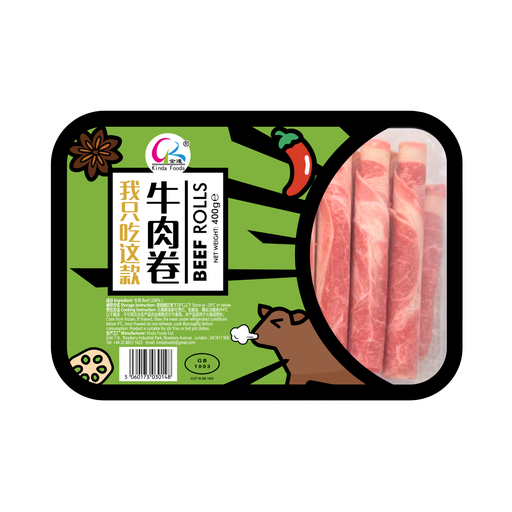
Why This Fits Their Persona: This is an ideal choice for regular family meals. The 400g pack size offers good value, and its versatile nature means it works well not just for hot pot but also for quick stir-fries or beef noodle soup, making it a practical freezer staple for any UK household.
It avoids the inconsistent slicing trap by being machine-sliced for uniform thickness, ensuring every piece cooks quickly and evenly in the broth.
Good balance of flavour and leanness. The generous pack size is convenient for feeding a family or small group.
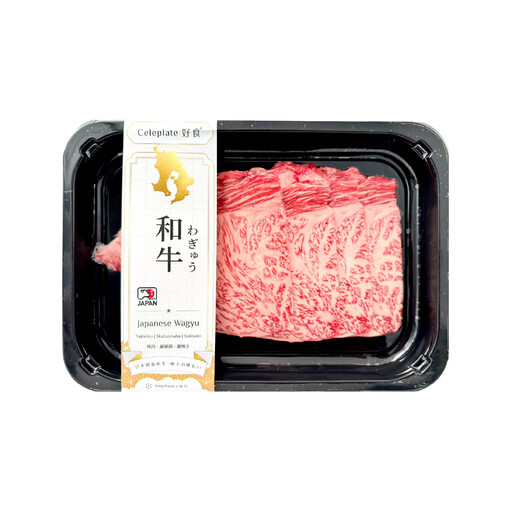
Why This Fits Their Persona: For those special occasions when only the finest will do. This is for the diner who wants to replicate a high-end Japanese restaurant experience at home, focusing on the buttery, melt-in-the-mouth texture that only authentic Wagyu can provide.
This product sidesteps the vague "premium" label trap by offering authentic Japanese Wagyu, a specific and regulated classification known for its exceptional marbling (shimofuri).
Unparalleled tenderness and rich, buttery flavour. The intense marbling provides a luxurious eating experience.
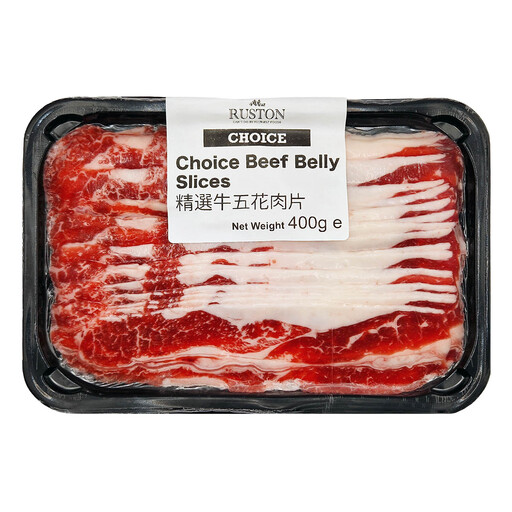
Why This Fits Their Persona: This is for the diner who prioritises a deep, savoury beef flavour above all else. Beef belly's layers of fat and meat create a rich, satisfying taste that leaner cuts can't match, perfect for flavouring the broth and enjoying with dipping sauces.
By clearly identifying the cut as beef belly, it avoids misleading customers seeking a lean slice. It delivers exactly what it promises: a rich, fatty cut for maximum flavour.
Deep, savoury flavour from a high fat content. The 400g pack is great for sharing with fellow flavour enthusiasts.
We have compiled a complete, real-time list of products that fully satisfy these strict selection criteria and UK safety regulations.
For thinly sliced meat, professionally frozen beef slices are often a better choice. The flash-freezing process (often called IQF - Individually Quick Frozen) preserves the texture and flavour of the meat at its peak. It also helps the delicate slices maintain their shape, preventing them from tearing or clumping together, which can be an issue with chilled, non-frozen slices.
The main difference is the cooking method, not necessarily the beef itself. Both dishes rely on very thinly sliced beef. For shabu shabu beef, the slices are briefly swished in a light, savoury broth. For sukiyaki beef, the slices are simmered in a richer, sweeter sauce made with soy sauce, sugar and mirin. A high-quality, thinly sliced beef like rib eye or chuck roll will work beautifully for both.
A good starting point is to plan for 150g to 200g of beef per person. This can vary depending on appetite and how many other ingredients (like vegetables, tofu and noodles) you are serving. For a meat-focused meal, you might lean towards the higher end of that estimate.