
24/7 Customer Support

Free returns

Same-day & Next-day Delivery

Quality Guaranteed

Unlock Your Welcome Offers: FREE Delivery | Up to 80% OFF | Free 30-day JoyPlus trial
Download the APP
There's nothing quite like gathering friends and family around a simmering, aromatic broth for a hot pot night. It’s a communal, comforting and delicious way to dine at home. However, the success of your meal often hinges on one central ingredient: the beef. Choosing the right hot pot beef can be surprisingly tricky and a poor choice can lead to a disappointing experience.
Many of us have been there. You buy a pack of pre-sliced beef, only to find it tough, flavourless or falling apart into shreds in the broth. To help you avoid these common issues, we've identified the key pitfalls to watch out for and the essential factors to consider, ensuring your next hot pot is a resounding success.
To ensure you're getting value and flavour, focus on these three core parameters before you buy.
The cut of beef determines its texture and flavour profile. Not all cuts are created equal when it comes to quick cooking.
Marbling is the fine web of fat within the muscle. This is not the same as the thick layer of fat on the outside of a steak. When you dip a well-marbled slice of thinly sliced beef into hot broth, this fat melts quickly, basting the meat from within and creating a succulent, melt-in-the-mouth texture. This is particularly important when selecting premium options like wagyu for hot pot.
Equally important is the thickness. For hot pot, beef should be sliced very thinly, typically between 1.5mm and 2mm. This ensures it cooks almost instantly (5-15 seconds), locking in its flavour and tenderness.
While "fresh is best" is a common saying, modern flash-freezing technology is a game-changer for hot pot meat. This process freezes the meat so rapidly that only very small ice crystals form, preserving the cellular structure, texture and flavour of the beef. It also offers the convenience of having quality hot pot ingredients UK residents can store at home, ready for a spontaneous meal. Look for products labelled as "100% beef" to avoid added water.
To make your choice easier, we've matched some excellent options to different dining preferences and needs.
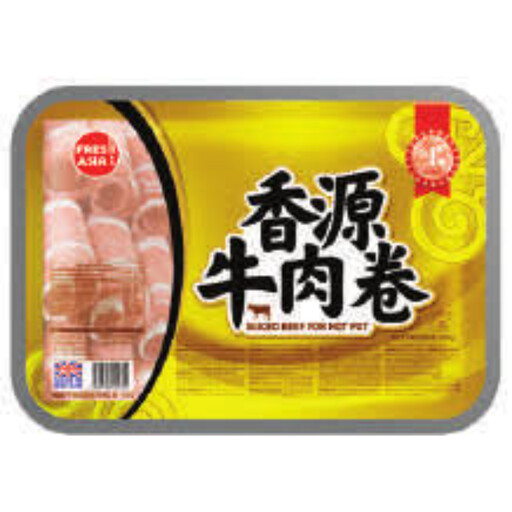
Why This Fits Their Persona: Perfect for hosting a gathering of friends or a family meal. This generous 800g pack provides plenty of high-quality beef to go around, offering great value without compromising on a reliable and flavourful hot pot experience.
This product avoids the "mystery cut" trap by offering consistently sliced beef with even fat distribution, ensuring a tender texture and rich flavour, not the toughness of an unknown cut.
The large 800g pack size is ideal for groups. The even slicing makes it suitable for hot pot, stir-frying or grilling, offering excellent versatility.
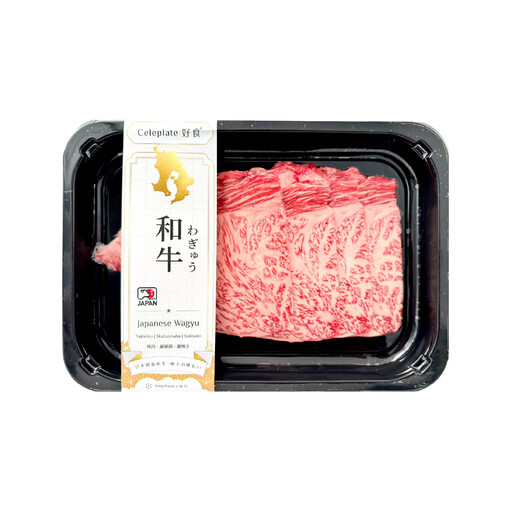
Why This Fits Their Persona: For the diner who wants to replicate a high-end restaurant experience at home. This is for a special occasion or for someone who truly appreciates the unparalleled flavour and texture of authentic Japanese Wagyu.
This product is the antithesis of the "mystery cut." It specifies its origin (Japan) and premium grade (Wagyu), known for its exceptional marbling (shimofuri), guaranteeing a buttery, melt-in-the-mouth experience.
Features authentic Japanese Wagyu with superior marbling for a rich, buttery flavour. The thin slicing is perfect for a 5-10 second dip in the broth.
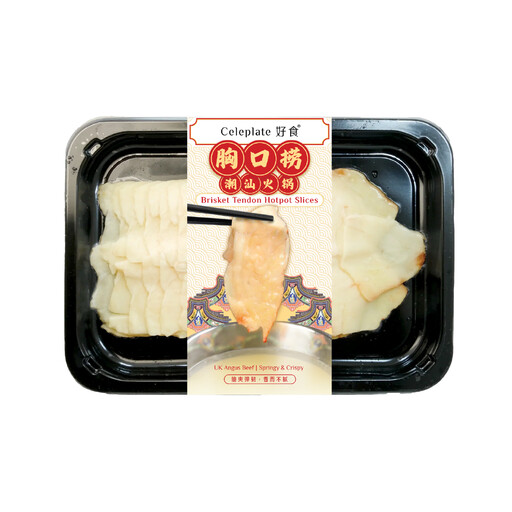
Why This Fits Their Persona: For the adventurous eater who loves exploring different textures and flavours. This cut, taken from the fatty part of the cow's chest, offers a unique experience that goes beyond standard beef slices.
By clearly identifying the cut as Brisket Tendon, this product offers a specific and sought-after texture. It avoids the ambiguity of generic slices, promising a unique crisp and chewy bite.
Provides a unique texture that is both crisp and chewy. It's a delicacy cut that cooks in just 5-8 seconds, perfect for adding an interesting element to any hot pot.
We have compiled a complete, real-time list of products that fully satisfy these strict selection criteria and UK safety regulations.
A good rule of thumb is to plan for 150g to 200g of meat per person. This can vary depending on appetite and the number of other ingredients you're serving, such as vegetables, tofu and noodles. For a meat-focused meal, you might want to increase this slightly.
It is generally not recommended to refreeze meat once it has been thawed. The process of thawing and refreezing can damage the muscle fibres, leading to a loss of moisture and a tougher, less pleasant texture when you eventually cook it. It's best to only thaw the amount you plan to use.
While the same high-quality, thinly sliced beef can be used for both, the primary difference lies in the cooking liquid. Shabu-shabu involves swishing the meat in a light, savoury broth (like kombu dashi) and then dipping it in sauces. Sukiyaki involves simmering the meat and other ingredients in a richer, sweeter and soy sauce-based broth. Well-marbled cuts like rib eye or wagyu are excellent for both, as their fat enriches either style of broth.