
24/7 Customer Support

Free returns

Same-day & Next-day Delivery

Quality Guaranteed

Unlock Your Welcome Offers: FREE Delivery | Up to 80% OFF | Free 30-day JoyPlus trial
Download the APP
A home hot pot meal can be simple, social and adaptable, but buying the wrong equipment or ingredients can quickly become expensive. UK shoppers often face three common pitfalls: choosing an electric hot pot based only on wattage, overlooking capacity and cleaning requirements, or ordering frozen food without checking storage and cooking instructions.
Marketing language can also make ordinary features sound more useful than they are. A “multifunctional” cooker may still be too small for a group, while a large pot may take up valuable kitchen space between meals. Similarly, a sauce or soup base may suit one style of hot pot but contain allergens or a level of salt and spice that does not work for everyone at the table.
This guide explains the key hot pot essentials to check before buying, followed by practical recommendations for different UK households.
A higher wattage can support faster heating, but it is not the only factor that matters. Pot capacity, heat distribution, control settings and the amount of liquid being heated all affect the cooking experience. A 1,000W compact electric hot pot may suit one person, while a larger 1,600W hot pot cooker is more appropriate for several diners.
A pot advertised for family use may not provide enough room once broth, vegetables, meat and seafood are added. Overfilling can cause splashing and uneven cooking. For one or two people, around 1.2–2 litres may be practical. Groups of four to six may prefer 5 litres or more, depending on table space and serving style.
Frozen hot pot food needs careful handling. Check whether beef, seafood or prepared items must remain at -18°C or below, whether they can be refrozen, and how long they can be kept after defrosting. Food allergens also require attention: sauces may contain peanuts, sesame, soya, wheat or molluscs, while seafood products commonly contain crustaceans.
Think about the number of diners and the space available on the table. A 1.2L electric multi-pot is suited to a personal meal, student accommodation or a small worktop. A 5L model can serve a family meal, while a 7L hot pot cooker is more suitable for larger gatherings.
A wide opening makes it easier for diners to reach ingredients. Deeper designs may reduce splashing, but they can also require longer cooking times if the heating element is not powerful enough.
Look for at least two heat settings: a high setting for bringing soup base to the boil and a low setting for simmering. Variable control is useful when cooking delicate ingredients such as seafood, dumplings or tofu.
For UK households, check the plug type carefully. A product supplied with a UK plug is more convenient than one requiring an adapter. Place the appliance on a stable, dry, heat-resistant surface and follow the supplied instructions. The outer surface and lid can become hot during use.
A non-stick cooking surface can make cleaning easier, particularly when using spicy oil, meat or thick soup bases. However, avoid metal utensils that may damage the coating. A detachable power cord or removable steamer can also simplify storage.
Never immerse the electrical base, plug or cord in water. Unplug the cooker and allow it to cool naturally before cleaning. Check whether the lid is suitable for immediate washing after cooking, as sudden temperature changes may damage glass.
A balanced shopping list normally includes:
A hot pot meal kit can be a convenient starting point because it combines soup base and sauces in one purchase. The Haidilao set supplied on Joybuy includes tomato soup base, mala clear oil base, spicy dipping sauce and original dipping sauce. Its listed allergens include peanuts, sesame, soya, wheat, molluscs and sulphites in relevant components, so read the packaging before serving.
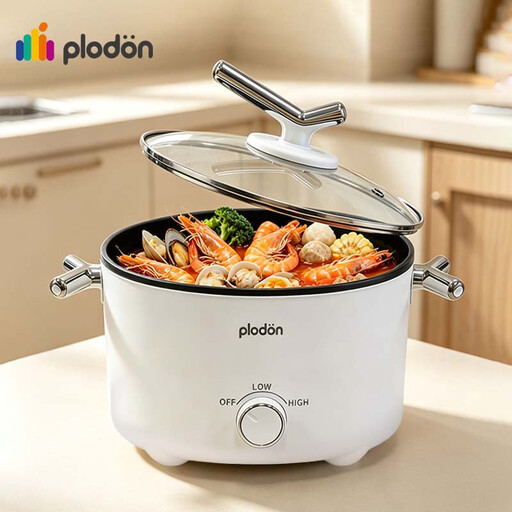
Why This Fits Their Persona: A compact option for students, solo diners and small flats where cupboard and table space are limited.
The 2.0L capacity is clearly stated, helping buyers avoid assuming that a compact cooker is suitable for a large group.
Two heat levels, non-stick interior, glass lid and detachable power cord for everyday meals.
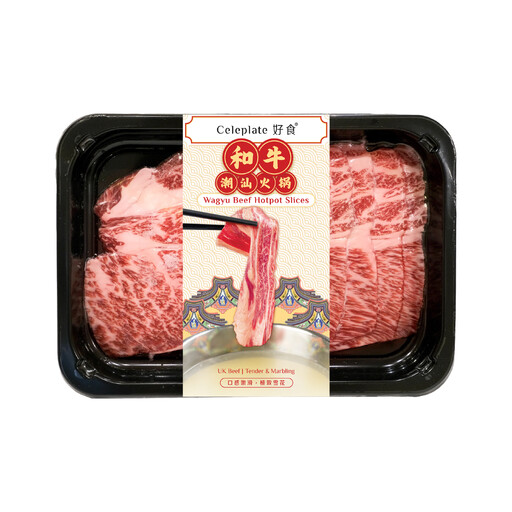
Why This Fits Their Persona: Suitable for shoppers looking for thinly cut British beef with visible marbling for shabu shabu or Chinese-style hot pot.
The listed approximate 1.5mm slice thickness gives a more useful indication of cooking suitability than vague descriptions alone.
British beef, 150g pack and thin slices designed for quick cooking in simmering broth.

Why This Fits Their Persona: Designed for group dining, large families and regular hot pot gatherings where repeated refilling is inconvenient.
Its stated 7L capacity and 30.5cm opening make the intended group-use format clear before purchase.
1600W heating, high and low modes, UK plug, glass lid and a deep 8.5cm cooking design.
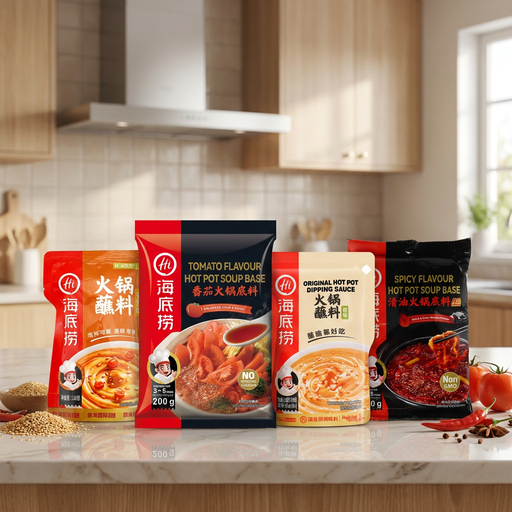
Why This Fits Their Persona: A convenient starting point for families and groups who want multiple soup and dipping options without sourcing each item separately.
The contents and individual quantities are listed, allowing shoppers to assess flavour variety, storage and allergen suitability.
660g total contents covering tomato, mala, spicy dipping and original dipping flavours.
We have compiled a complete, real-time list of products that fully satisfy these strict selection criteria and UK safety regulations.
You need a suitable cooker, soup base, dipping sauce, thinly sliced meat, vegetables, noodles and at least one seafood or tofu option. Add ingredients gradually rather than filling the pot at the start, which helps maintain the simmer and reduces splashing.
Very thin slices commonly cook within seconds once placed in simmering broth, but they must change colour and be fully cooked before eating. Follow the instructions on the packaging, particularly for frozen beef rolls and thicker cuts.
Running cost depends on the appliance’s wattage, cooking time and your electricity tariff. A 1,000W cooker used for one hour consumes approximately 1kWh, while a 1,600W cooker used for the same period consumes approximately 1.6kWh. Actual cost varies, so compare these figures with your current unit rate.