
24/7 Customer Support

Free returns

Same-day & Next-day Delivery

Quality Guaranteed

Unlock Your Welcome Offers: FREE Delivery | Up to 80% OFF | Free 30-day JoyPlus trial
Download the APP
Hot pot is a social, flexible meal, but buying the wrong ingredients or cooker can make the experience unnecessarily expensive and difficult. UK shoppers often face three common traps: choosing meat based on attractive packaging rather than cut and thickness, buying a soup base without checking allergens or salt content and selecting a large electric cooker without considering power, capacity or cleaning.
This guide explains what to check before ordering hot pot ingredients and cookers UK, with practical options for shabu-shabu, sukiyaki, Chinese hot pot, Korean-style meals and spicy Sichuan broth.
Thinly sliced beef is designed for brief cooking, but thickness, fat content and the cut all affect the result. Beef hot pot slices around 1.5 mm can cook very quickly, while thicker beef rolls may need longer in simmering broth. Overcooking lean cuts can produce a firm, dry texture; fatty cuts may release more oil into the soup.
Always check:
Terms such as Wagyu, Angus or “premium” describe the product or its marketing position, but they do not automatically indicate the right choice for every broth. A highly marbled Wagyu hot pot beef may suit mild shabu-shabu or sukiyaki, while a leaner flat iron or flank cut can stand up well to a strongly seasoned soup.
Look at the actual cut, fat distribution, pack size and cooking instructions rather than relying on the label alone.
Hot pot soup bases may contain wheat, soya, fish, peanuts, sesame or molluscs. Read the full ingredient list before serving guests. A cooker’s advertised litre capacity also refers to the pot’s total capacity, not necessarily the practical amount of broth you should fill it with. Leave room for ingredients and bubbling.
Different cuts offer noticeably different textures:
For food safety, do not eat raw beef. Follow the pack instructions and cook meat thoroughly, particularly when serving children, older people or anyone vulnerable to foodborne illness.
Most frozen hot pot meat should be kept at -18°C or below. Once defrosted, store it covered at the bottom of the refrigerator and follow the product’s stated consumption period, commonly 24 or 48 hours. Do not refreeze after thawing.
Check whether a pack is suitable for cooking directly from frozen. Some sliced beef products are designed for this, while others recommend thawing first for more even cooking.
For a household hot pot, capacity should match the group:
Look for adjustable heat control, dry-burn protection, a detachable pot and clear cleaning instructions. A UK household electrical product should be used according to its supplied instructions with a compatible 220–240V supply. Never immerse the powered base in water.
The following recommendations focus on practical use rather than broad marketing claims.
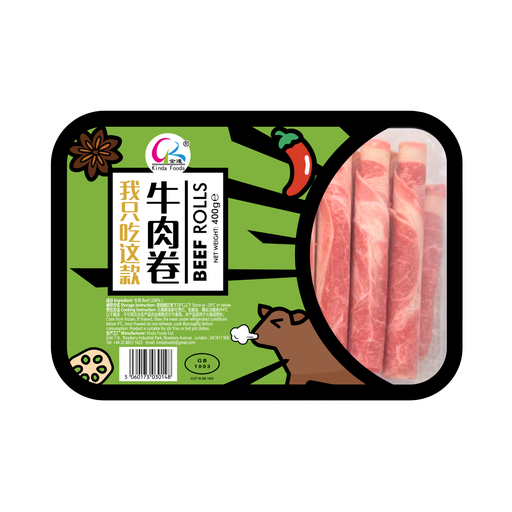
Why This Fits Their Persona: The 400g pack provides a practical starting quantity for family hot pot meals, with evenly machine-sliced beef that is also suitable for stir-fries, rice bowls and barbecues.
The stated uniform slicing and quick-blanching design makes it easier to judge portions and cooking time than irregularly cut beef.
400g net weight; beef ingredient; suitable for hot pot and several everyday dishes.
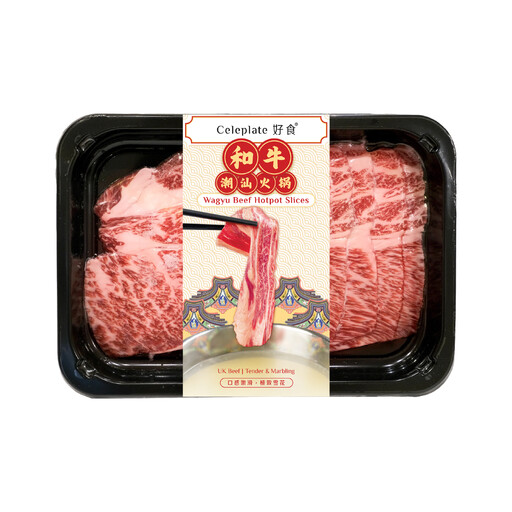
Why This Fits Their Persona: Approximately 1.5mm sliced UK Wagyu beef is designed for shabu-shabu, sukiyaki and Chinese-style broths where brief cooking highlights its marbling.
The product listing specifies origin, thickness, storage and a 5–10-second dipping recommendation, giving useful details beyond the Wagyu name.
150g pack; UK origin stated; suitable for brief cooking in several hot pot styles.
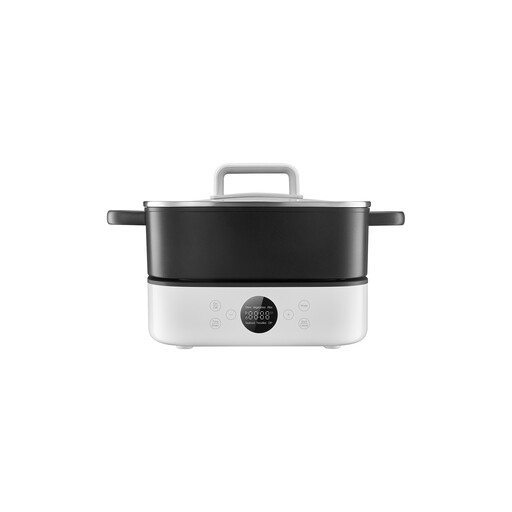
Why This Fits Their Persona: The 6L capacity is designed for meals shared by around four to six people, while 2,000W power and six heat settings support rapid boiling and gentler cooking.
The stated capacity, dimensions, voltage and detachable-pot design help shoppers assess table space, electrical compatibility and cleaning before purchase.
6L rated capacity; 2,000W rated power; detachable pot for serving and cleaning.
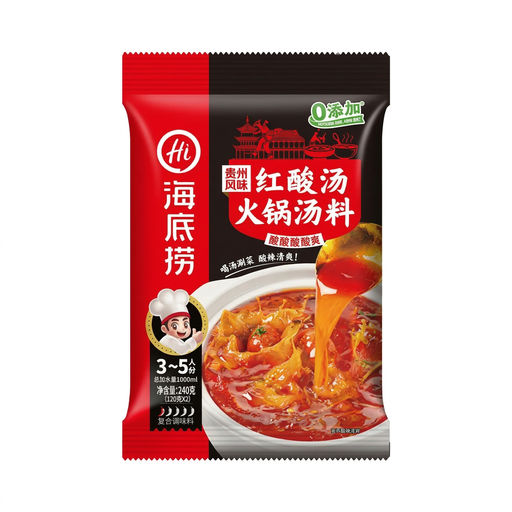
Why This Fits Their Persona: This tomato and fermented-chilli base offers a sour-spicy alternative to a standard spicy Sichuan hot pot broth and is portioned for 1–1.2 litres of water.
The dilution guidance is clearly stated, while the ingredient list identifies soya and wheat allergens before serving.
240g pouch; clear 1–1.2L preparation ratio; sour and spicy flavour profile.
We have compiled a complete, real-time list of products that fully satisfy these strict selection criteria and UK safety regulations.
For a group meal, combine one or two beef options with ingredients that cook at different speeds:
A 150g meat pack works well as part of a varied spread, while 400g or 800g packs are more convenient when beef is the main ingredient. Keep raw meat separate from ready-to-eat foods and use clean chopsticks or a strainer for serving.
As a practical guide, allow approximately 150–250g of meat per adult when serving vegetables, tofu, noodles and seafood as well. Increase the quantity for diners who prefer meat-led meals, or choose larger 400g and 800g frozen packs for groups.
It depends on the product. Some frozen rolls are designed for cooking from frozen, while others recommend defrosting first. Follow the pack directions, separate slices carefully and ensure the beef is fully cooked. Never eat it raw or refreeze it after thawing.