
24/7 Customer Support

Free returns

Same-day & Next-day Delivery

Quality Guaranteed

Unlock Your Welcome Offers: FREE Delivery | Up to 80% OFF | Free 30-day JoyPlus trial
Download the APP
As a Joybuy Product Recommendation Officer, my role is to help you navigate the crowded online marketplace. Hosting a Chinese hot pot at home is a wonderfully social and delicious experience, but sourcing the right ingredients can be tricky. Many shoppers find themselves disappointed with their purchases, turning a planned feast into a frustrating meal. This guide will help you understand what to look for when buying hot pot ingredients online, ensuring you get authentic flavour and quality for your money.
Before you start adding items to your basket, be aware of a few common traps that can lead to a lacklustre hot pot experience:
To avoid these issues, it helps to know what defines quality. Here are the core parameters to check before you buy.
The soul of your meal is the broth. When you buy a Haidilao soup base or a similar product, you are looking for a rich, complex flavour profile.
For a perfect Chinese hot pot at home, the meat must cook in seconds. This is only possible with the right cut and preparation.
Beyond meat and vegetables, hot pot is about enjoying a variety of textures.
To make your shopping easier, we have matched some reliable products to different types of hot pot hosts.
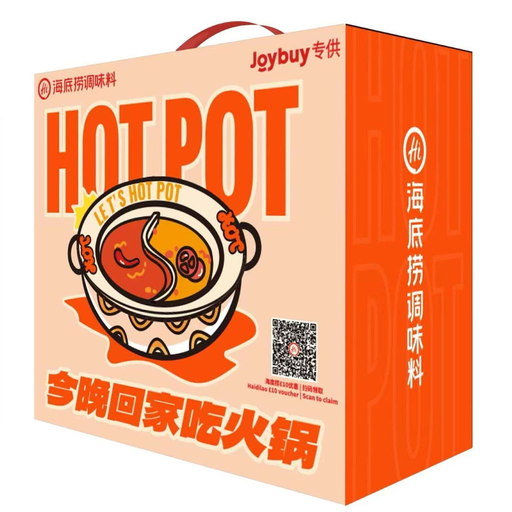
Why This Fits Their Persona: This is the perfect starting point for anyone new to hosting hot pot. It removes all the guesswork by providing a comprehensive collection of soup bases, dipping sauces and key ingredients like noodles and tofu skin, all in one package.
It directly counters the "Bland Broth Betrayal" by including multiple, well-regarded Haidilao soup bases known for their authentic and rich flavours, ensuring a delicious foundation for your meal.
Unmatched convenience. This curated kit saves you the time and effort of selecting each component individually, providing a complete and balanced hot pot experience straight out of the box.
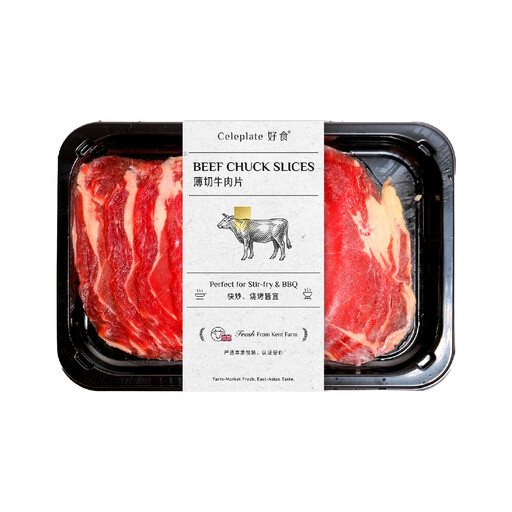
Why This Fits Their Persona: For the diner who believes the meat is the star of the show. This product is for those who prioritise tenderness and a pure, clean beef flavour over everything else.
This directly solves the "Watery Meat Deception." By specifying the cut (young beef rump) and its origin, it offers transparency and a guarantee of quality that generic "beef rolls" lack. The thin slicing is optimised for quick cooking.
Superior texture and flavour. The use of young beef results in a more delicate and tender bite compared to standard beef, providing a premium eating experience.
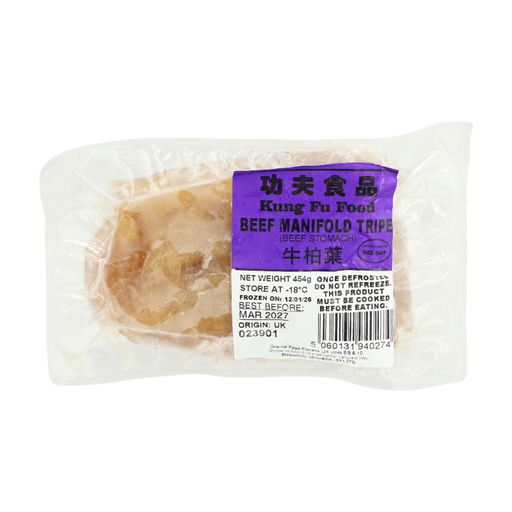
Why This Fits Their Persona: This is for the hot pot enthusiast who wants to go beyond the basics and include classic, textural offal cuts. It's for someone aiming to replicate an authentic restaurant experience at home.
It solves the "Tough Tripe Trouble." This product specifies it is 100% beef omasum with a distinctive honeycomb texture, which is ideal for hot pot. Being a frozen, pre-prepared product, it removes the difficult and time-consuming cleaning process.
Authentic texture and convenience. It provides the prized honeycomb structure that absorbs broth beautifully while maintaining a tender-crisp bite, cooking in just 30-60 seconds.
We have compiled a complete, real-time list of products that fully satisfy these strict selection criteria and UK safety regulations.
1. What do you need for a basic Chinese hot pot at home? For a simple but satisfying hot pot, you need four key things: a flavourful soup base, thinly sliced meat (like beef or lamb rolls), a variety of fresh vegetables (such as napa cabbage, mushrooms and bok choy) and a hot pot dipping sauce. Many people also add noodles, tofu and seafood balls.
2. How do you prepare frozen beef tripe for hot pot? Most frozen beef tripe sold for hot pot is pre-cleaned. You should first thaw it completely. Once thawed, the slices should be easily separable. Simply place them into the boiling broth and cook for the time recommended on the package, typically 30-90 seconds. It will curl up and should have a tender yet slightly chewy texture. Always ensure it is cooked through before eating.
3. What's the difference between various hot pot dipping sauces? Dipping sauces are highly personal. The most common base is sesame paste, often mixed with fermented tofu curd and chive flower sauce for a savoury, nutty flavour. Others prefer a simpler sauce of soy sauce, minced garlic and sesame oil. Spicy sauces often incorporate chilli oil or paste. You can buy pre-made sauces or individual components to mix your own.