
24/7 Customer Support

Free returns

Same-day & Next-day Delivery

Quality Guaranteed

Unlock Your Welcome Offers: FREE Delivery | Up to 80% OFF | Free 30-day JoyPlus trial
Download the APP
As a Joybuy Product Recommendation Officer, my role is to help you navigate the crowded market of Asian foods. When it comes to planning a hot pot night, the quality of your ingredients makes all the difference. Choosing the right hot pot meatballs can elevate your meal from good to great, but it's easy to end up with disappointing products that lack the flavour and texture you're looking for.
Many shoppers find themselves with frozen meatballs that are pasty, bland or filled with a greasy, unidentifiable substance. Let's look at the common purchasing traps and how to sidestep them to ensure you get authentic, delicious results every time you buy hot pot ingredients online.
To avoid these issues, you don't need to be a food scientist. You just need to know what to look for on the packaging. Here are the two most important factors to check before you buy.
The single most reliable indicator of quality is the meat or fish percentage, often listed in the ingredients as part of the Quantitative Ingredient Declaration (QUID).
A quick scan of the ingredients can tell you a lot about the product's flavour profile. Instead of generic "spices" or "flavouring," look for specific Asian soup ingredients that signal a more traditional recipe.
Based on these guiding principles, here are a few recommendations matched to different preferences and needs.
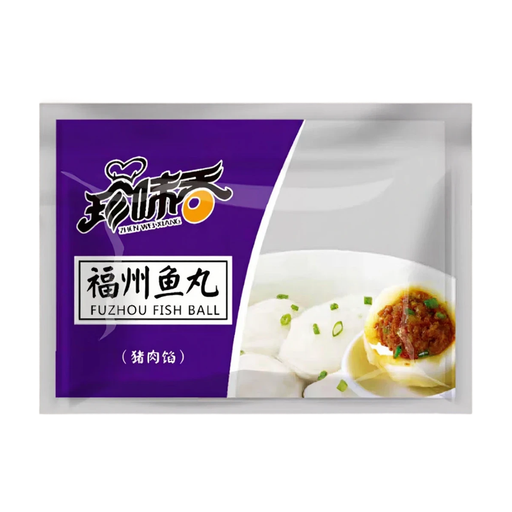
Why This Fits Their Persona: For those craving a specific regional classic, these Fuzhou-style fish balls deliver. They are perfect for anyone in the UK looking to replicate the authentic taste of Fujian cuisine, with the signature soft fish paste exterior and savoury pork centre.
It directly counters the "starch-heavy" and "mystery filling" pitfalls by clearly stating a 40% silver carp content and a distinct pork filling, ensuring an authentic texture and flavour balance.
Delivers a true Fuzhou experience with a high fish content for a bouncy texture and a well-seasoned, juicy pork filling.

Why This Fits Their Persona: This is for the hot pot enthusiast who prioritises texture above all. The inclusion of beef tendon is a hallmark of high-quality, exceptionally chewy Teochew-style beef balls, perfect for those who love a firm, springy bite.
With 60% beef and 8% beef tendon, this product is the antithesis of a "starch-heavy" meatball. The high meat and tendon content is specifically designed to create that sought-after bouncy, chewy texture.
Exceptional chewiness and rich beef flavour. The addition of fish sauce in the seasoning provides a unique umami depth.
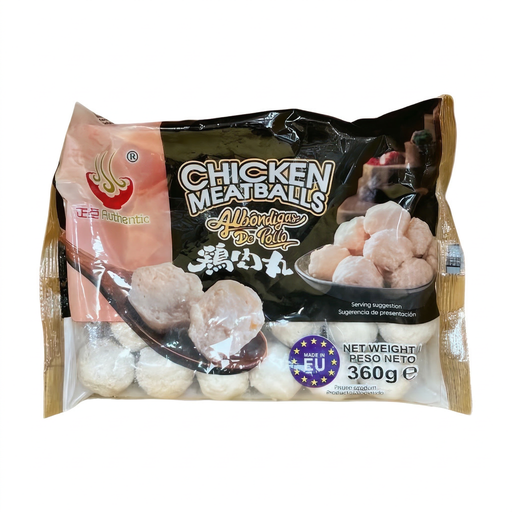
Why This Fits Their Persona: A great starting point for those new to hot pot or who prefer a milder, more familiar flavour. These chicken meatballs are versatile, easy to cook and offer a tender, elastic texture that works well in any broth.
As a simple, non-stuffed meatball, it avoids the "mystery filling" pitfall entirely. The focus is on a straightforward, quality chicken product that delivers a reliable taste and texture without unpleasant surprises.
Highly versatile and convenient. Can be used in hot pot, soups or even stir-fries, and the 360g pack size offers good value.
We have compiled a complete, real-time list of products that fully satisfy these strict selection criteria and UK safety regulations.
Cooking times can vary, but a general guideline is to simmer them in your hot pot broth for 3 to 8 minutes. Most meatballs are fully cooked when they float to the surface. However, always refer to the specific instructions on the packaging, as some pre-cooked varieties may only need heating through, while raw ones require more thorough cooking.
Yes, the vast majority of frozen fish balls and other hot pot meatballs are designed to be cooked directly from frozen. Adding them to your simmering broth without thawing is convenient and helps them maintain their intended shape and texture. A few products may recommend thawing first, so it is always a good habit to check the label.
The primary difference is the filling. A traditional Fuzhou fish ball features a savoury minced pork filling encased in a soft, bouncy fish paste outer layer. This creates a two-part texture and flavour experience. In contrast, regular fish balls are typically solid, made entirely from fish paste, and their quality is judged purely on the springiness and flavour of the ball itself.