
24/7 Customer Support

Free returns

Same-day & Next-day Delivery

Quality Guaranteed

Unlock Your Welcome Offers: FREE Delivery | Up to 80% OFF | Free 30-day JoyPlus trial
Download the APP
As a Joybuy Product Recommendation Officer, my role is to help you navigate the crowded market of authentic Chinese food ingredients. Recreating a restaurant-quality hot pot at home is a rewarding experience, but choosing the right hot pot seasoning can be confusing. Many products look similar, yet deliver vastly different results. Let's break down the common traps to avoid and the key factors to check before you buy.
Many home cooks are left disappointed when their homemade hot pot or stir-fry lacks the depth and character of their favourite restaurant versions. This often comes down to choosing the wrong base. Here are the main issues to watch for:
To ensure you get the flavour you're looking for, focus on these three parameters when you shop.
First, identify the primary use. The product label should clarify its intended purpose.
Look for clues that indicate the specific regional flavour.
The format often hints at the style and richness of the base.
To help you choose, we've matched some standout options to different cooking styles and preferences.
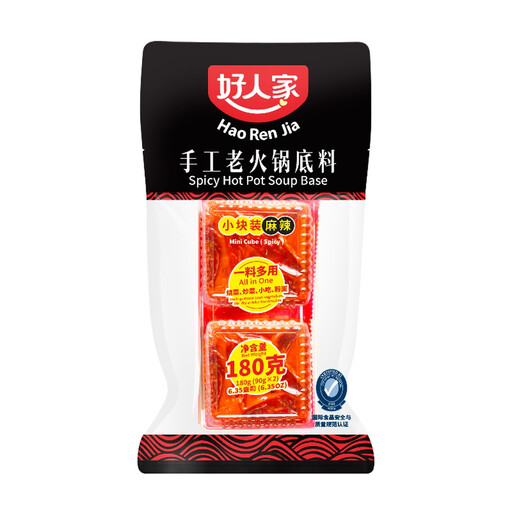
Why This Fits Their Persona: This is for the home cook who refuses to compromise on authenticity. It delivers the traditional, rich flavour of a Chongqing-style hot pot, perfect for a cold evening in the UK when only a truly warming and spicy meal will do.
It avoids the "one-note" flavour trap by using a traditional solid block format that provides a balanced, aromatic blend of chilli and Sichuan pepper, not just generic heat.
The pack contains two individually wrapped 90g blocks, making portion control simple. It creates a rich, velvety broth that clings beautifully to ingredients.
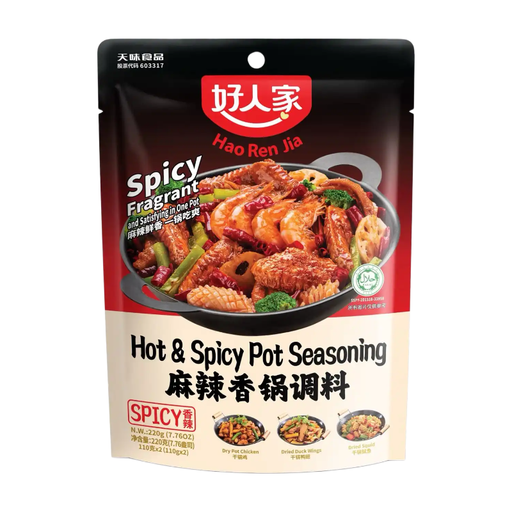
Why This Fits Their Persona: This is for the person who specifically wants to recreate the popular restaurant dish *mala xiang guo* at home. They need a concentrated paste that delivers intense flavour for a stir-fry, not a soup.
It directly solves the "soup vs. stir-fry" pitfall. This is explicitly a mala xiang guo seasoning, ensuring the correct flavour concentration and texture for a dry pot dish.
This is a complete flavour base, combining chilli, Sichuan peppercorn and fermented black beans, which simplifies the cooking process significantly.
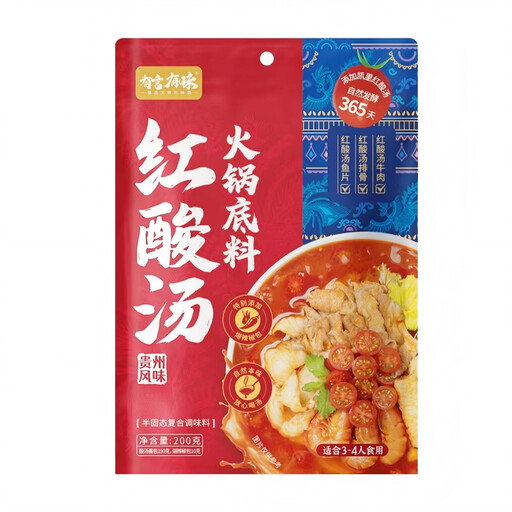
Why This Fits Their Persona: For the foodie who has mastered the classic spicy hot pot and is eager to try something new. This base introduces the unique, tangy flavour of Guizhou's Kaili red sour soup, offering a completely different and refreshing hot pot experience.
This product is the antithesis of a "one-note" base. Its flavour is built on naturally fermented Kaili red and white sour soups, providing a complex tanginess that can't be replicated with simple vinegar or spice.
It includes a separate chilli packet, allowing you to control the spiciness. The resulting broth is light and drinkable, unlike heavy, oil-based soups.
We have compiled a complete, real-time list of products that fully satisfy these strict selection criteria and UK safety regulations.
1. What is the difference between a hot pot soup base and mala xiang guo seasoning? A hot pot soup base is a concentrate that you dilute with a large amount of water or stock to create a simmering broth for cooking ingredients in. A mala xiang guo seasoning is a much more concentrated paste used for stir-frying ingredients in a wok to create a "dry pot" dish, where the sauce coats the food rather than forming a soup.
2. How much hot pot base do I need for a meal? This depends on the product's concentration, but a general guideline is to use one packet or block (typically 150g-250g) for a standard-sized hot pot serving 3-4 people. Always check the package instructions, as they will provide a recommended ratio of base to water, often around 1:5 to 1:8. For solid blocks, one block is often sufficient for one pot.
3. Can I use hot pot seasoning for other dishes? Absolutely. Many hot pot seasonings are versatile Sichuan cooking sauces. A spicy, oil-based hot pot base can be used in smaller quantities to braise meats and vegetables, create a base for noodle soups like mala tang or even flavour poached fish dishes (shui zhu yu). A sour soup base is excellent for making sour soup fish or beef noodle soup.