
24/7 Customer Support

Free returns

Same-day & Next-day Delivery

Quality Guaranteed

Unlock Your Welcome Offers: FREE Delivery | Up to 80% OFF | Free 30-day JoyPlus trial
Download the APP
Hot pot snacks bring chilli, Sichuan pepper and savoury seasoning into convenient formats, from ready-to-eat crisps to rice cake strips for a shared meal. However, the most appealing packet or pot is not always the right choice for your cupboard.
Three common buying pitfalls deserve attention:
For a quick snack during a work break or commute, choose a product marked ready to eat. Potato crisps and konjac hot pot snack products can be opened and served immediately.
By contrast, hot pot rice cake strips are cooking ingredients. The Hong Rui Xing product should be added to boiling soup and cooked for 3–8 minutes, depending on the texture you prefer. This makes it suitable for a shared meal, but less convenient as an instant desk snack.
Noodle pots sit between the two categories. Hoi sin pot noodles generally need boiling water and a few minutes of standing time, so check whether you have access to a kettle and a heat-safe surface.
Read the ingredients list rather than relying only on front-of-pack flavour descriptions. Spicy hot pot snacks may include chilli, Sichuan pepper, soy sauce powder, sesame, milk ingredients or wheat-based seasoning.
For example, the Lay’s Numb & Spicy Hot Pot Flavour crisps list wheat, soybeans, milk and sesame as allergens and contain a source of phenylalanine because of the sweetener aspartame. The Be&Cheery Crispy Konjac Snack lists soybeans, sesame and cereals containing gluten.
Under UK food labelling practice, allergens are generally emphasised in the ingredients list, but shoppers should still read the complete packaging for the latest information. Recipes and packaging can change. If you have an allergy or intolerance, do not rely on a product description alone.
Nutrition panels are normally shown per 100g, while the pack may contain several portions. As a useful comparison:
These figures are not directly interchangeable unless you also consider the amount you actually eat.
Dry Chinese snacks should usually be stored in a cool, dry place, away from moisture and direct sunlight. Once opened, reseal products where possible and follow the packaging instructions.
A 70g crisp packet may be suitable for one sharing occasion, while a 120g konjac pack may need refrigeration after opening for best quality. Rice cakes and noodle pots have different storage instructions again, so avoid treating every item as a cupboard snack.
If you regularly buy ready-to-eat Asian snacks, snack storage containers can help separate opened items and protect dry foods from humidity. Transparent compartments are also useful for organising tea bags, small snack packs or portioned ingredients.

Why This Fits Their Persona: A straightforward entry point for shoppers who want hot pot flavour crisps without preparing a soup base or noodle pot. The 70g pack is convenient for individual snacking or sharing.
The pack size and ready-to-eat format make the purchase easy to assess before committing to a larger quantity. The allergen and nutrition information is clearly specified in the product details.
Ready to eat; includes chilli, Pixian douban, Sichuan pepper and cumin in the seasoning profile.
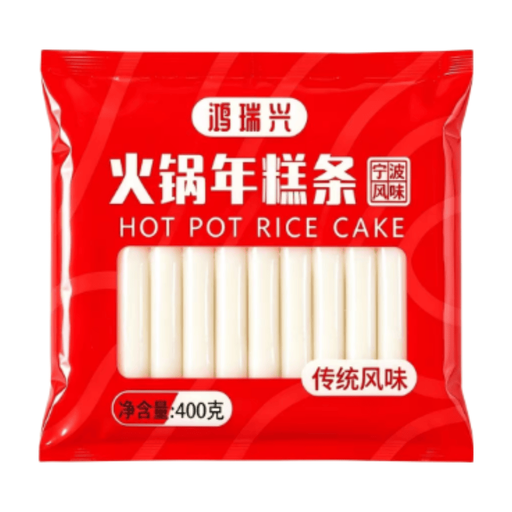
Why This Fits Their Persona: A practical choice for people who value simple ingredients and a traditional chewy component in a home hot pot meal.
The product description states clearly that cooking is required, so it does not blur the difference between a snack and a hot pot ingredient.
400g pack; made with glutinous rice and japonica rice; listed allergens: none.
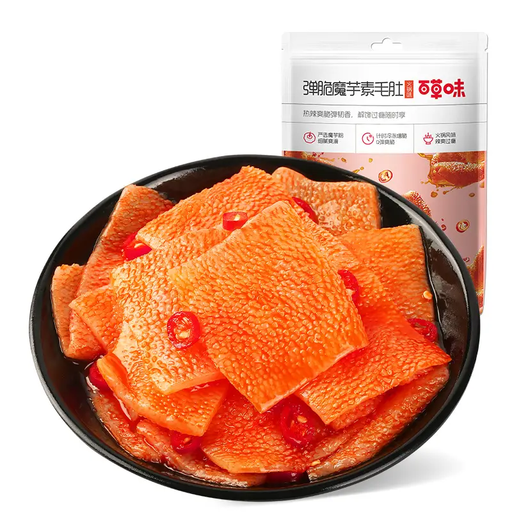
Why This Fits Their Persona: Designed for shoppers seeking a springy, chewy texture in a ready-to-eat format rather than a conventional crisp.
Its usage instructions state that it is ready to eat, while the storage guidance advises resealing and refrigerating after opening for best quality.
120g pack; ready to eat; konjac-based springy texture; Sichuan-style spicy hot pot flavour.
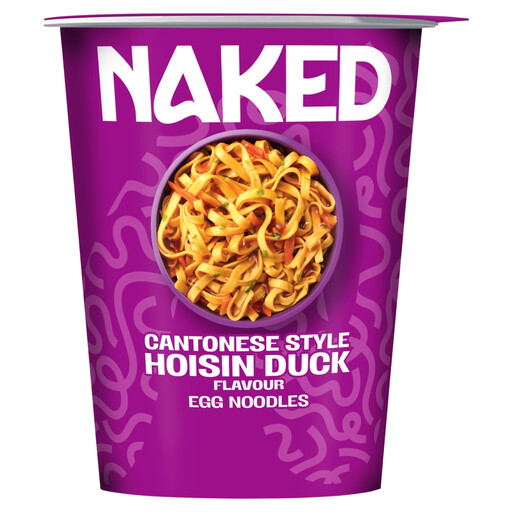
Why This Fits Their Persona: Suitable for UK offices, university kitchens and quick lunches where a kettle is available and five minutes is enough preparation time.
The pot format and stated five-minute preparation time make the practical requirements clear. Check the bold allergen information before purchase.
78g pot; five-minute preparation; egg noodles with hoisin and crispy duck flavour; contains wheat, egg and soya.
We have compiled a complete, real-time list of products that fully satisfy these strict selection criteria and UK safety regulations.
For open packets, choose containers with secure lids, food-contact suitability and dimensions that fit your shelf. A compartment organiser can separate small packets, tea bags and unopened portions, reducing the chance that strong chilli aromas transfer to other foods.
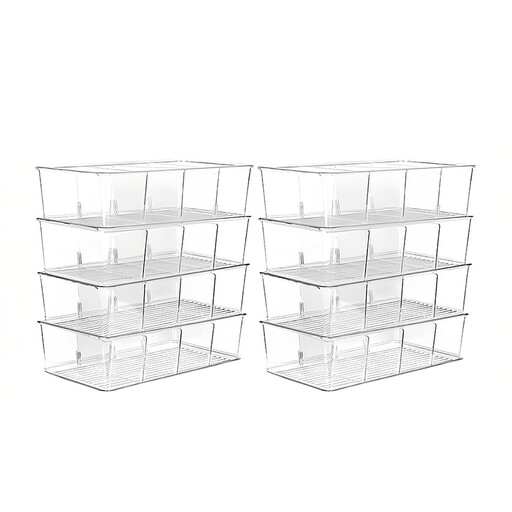
Why This Fits Their Persona: A useful option for households that keep multiple Chinese snacks, seasoning sachets or tea products together in a cupboard or on a desktop.
Its compartment design helps prevent loose snack packets becoming hidden or crushed at the back of a cupboard. Confirm dimensions before ordering.
Transparent PET construction; eight-pack format; listed dimensions of 26.5 × 15.3 × 8.9cm per box.
Some are, and some are not. Crisps and the Be&Cheery konjac snack are listed as ready to eat. Rice cake strips require boiling in hot pot soup for approximately 3–8 minutes, while the hoisin noodle pot needs preparation according to its instructions.
Follow the individual label. Dry crisps and noodle pots generally need a cool, dry place, while the konjac snack guidance recommends resealing and refrigerating after opening for best quality. Use a clean, airtight container only where the packaging allows it.
Not necessarily. Ingredients can include chilli, soy, wheat, sesame, milk, egg or other allergens. Review the complete ingredient and allergen information before buying, particularly when serving guests or purchasing snacks for children.