
24/7 Customer Support

Free returns

Same-day & Next-day Delivery

Quality Guaranteed

Unlock Your Welcome Offers: FREE Delivery | Up to 80% OFF | Free 30-day JoyPlus trial
Download the APP
Hot pot is a practical choice for UK households: one simmering pot can bring together meat, seafood, tofu, noodles and vegetables without preparing several separate dishes. The difficult part is choosing a hot pot soup base that matches your flavour preferences, serving size and dietary requirements.
Packaging can make every broth sound restaurant-style, authentic or premium. However, the most important details are usually less prominent: dilution instructions, salt levels, allergens, storage requirements and whether the product is a concentrated liquid, paste or dry seasoning. This guide explains what to check before buying and highlights suitable options for different types of home cook.
“Spicy”, “clear broth” or “Japanese-style” can describe very different products. A spicy hot pot base may contain chilli oil and Sichuan pepper for a numbing heat, while a hot and sour base may focus on pickled vegetables and acidity. Japanese nabe soup base, oden soup base and sukiyaki soup base also have distinct profiles:
Read the ingredient list rather than relying only on the front label.
A 750g bottle may look expensive compared with a small single-serving pouch, but it can provide several meals. Conversely, a compact 100g pack may be intended for a specific volume of water. For example, one oden product recommends 75g of base with 750ml of water, while a Thai Tom Yum flavour base is designed for 1100ml of hot water.
Using too little water can create an overly salty broth; using too much may produce a weak flavour. Check whether the pack is ready to use, concentrated or intended to be diluted.
A clear-looking Asian hot pot broth is not automatically low in salt, fat or calories. The supplied product information shows considerable variation: one mushroom seasoning lists 16.25g salt per 100g, while a spicy base lists 10g salt per 100g. These figures refer to the product before dilution, so the final bowl depends on serving size and preparation.
For UK shoppers managing dietary preferences, always check the full label, allergen statement and nutrition panel. Ingredients such as soybeans, wheat, fish, milk, sesame, peanuts, sulphites, crustaceans and molluscs appear across different soup bases.
Choose the broth around the ingredients you intend to cook. A spicy Chinese hot pot seasoning suits beef, lamb, tofu and mushrooms, while a Japanese hot pot soup base can work well with sliced pork, napa cabbage, udon and seafood.
For a mild family meal, consider a mushroom hot pot seasoning, clear broth or tomato base. Tomato and sour broths can also make noodles more interesting after the main hot pot meal. A ramen soup base, such as a tonkotsu-style or plant-based paitan option, is designed for a fuller noodle bowl but may also work in a smaller hot pot.
Liquid bases in larger bottles are useful for repeated meals and group cooking, but they need careful storage after opening. Single-use pouches are easier for an individual lunch or occasional meal. Dry powders are compact and convenient, although they can contain concentrated salt and flavour enhancers.
Look for:
Do not infer suitability from the flavour name. An oden base may contain fish, soybeans and wheat. A plant-based paitan base can still contain soy and wheat gluten. Some seafood-style broths include shrimp paste or fish sauce, while dipping sauces in gift sets may contain peanuts and sesame.
In the UK, review the bold allergen information on the packaging and consider cross-contact statements where relevant. Also remember that a product described as plant-based is not necessarily allergen-free.

Why This Fits Their Persona: A single 200g pack is convenient for an occasional hot pot, noodle soup or braised dish without committing to a larger bottle.
The tomato profile is clearly stated, and the product can be diluted according to taste rather than used as an unknown-strength seasoning.
Contains tomato paste and tomato sauce; suitable for hot pot, noodles and other cooked dishes.
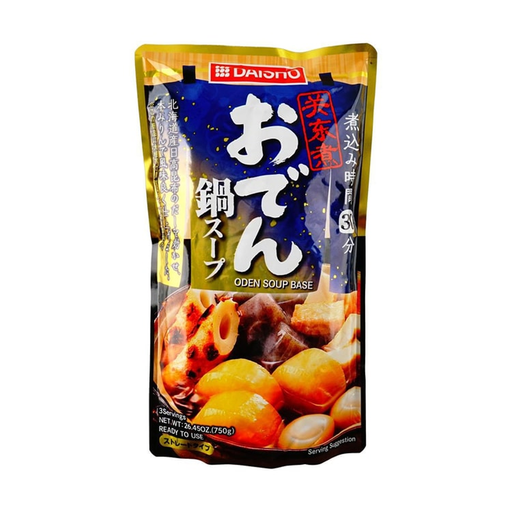
Why This Fits Their Persona: Suitable for cooks looking for a Japanese-style broth with a larger format for repeated family meals.
The recommended ratio is specified as one part base to ten parts water, helping you control strength and portion size.
Made in Japan; includes bonito and kelp-derived ingredients for an oden-style dashi profile.
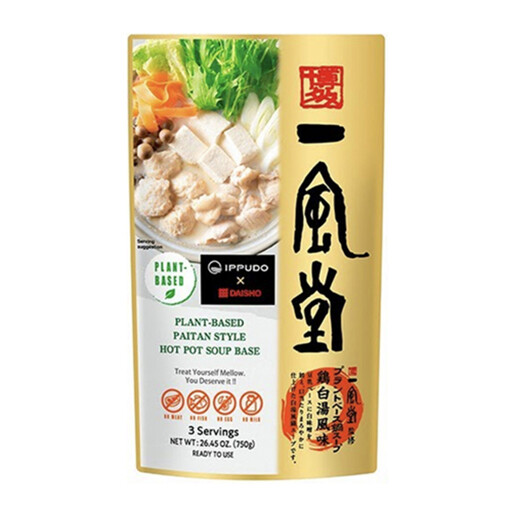
Why This Fits Their Persona: Designed for ramen fans and plant-based meal planning, with enough liquid base for repeated noodle or hot pot dishes.
Its plant-based positioning is supported by listed ingredients including soya milk and vegetable extracts, while the allergen statement still flags soya and wheat.
Made in Japan; suitable for noodles, vegetables, tofu and hot pot cooking.
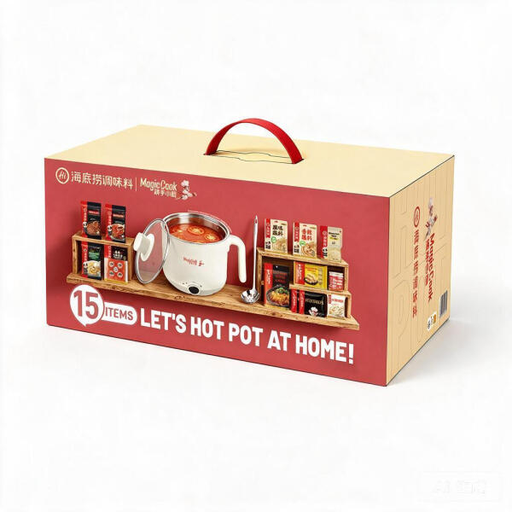
Why This Fits Their Persona: A practical option for hosting in a UK flat or house where a complete starter set is more useful than buying each component separately.
The box lists its contents, including four soup bases, dipping sauces, noodles, vegetables and an electric cooker, so the bundle can be assessed by components.
Includes spicy, tomato, clear oil and pork tripe and chicken-style bases, plus a cooker and serving utensils.
We have compiled a complete, real-time list of products that fully satisfy these strict selection criteria and UK safety regulations.
Once the broth is ready, choose ingredients with different textures and cooking times. Thinly sliced beef or pork cooks quickly, while fish balls, tofu and mushrooms can simmer longer. Leafy greens, napa cabbage, sweet potato noodles and udon absorb flavour effectively. Add noodles near the end if you plan to use the remaining Asian hot pot broth as a ramen soup base.
Keep raw meat and seafood separate from ready-to-eat ingredients, use clean serving utensils and ensure food is cooked thoroughly. Refrigerate opened soup base according to the packaging instructions rather than leaving it beside the cooker for the entire meal.
Follow the product-specific ratio. Examples include 75g base to 750ml water for one oden product, 110g base to 1100ml water for a Thai Tom Yum flavour, and one mushroom seasoning pack to 1–1.2 litres of water. Start with the recommended amount and adjust only after tasting the cooked broth.
Yes, many bases are suitable for noodles, but check the instructions. Tonkotsu-style ramen soup, paitan, tomato and mushroom seasonings can provide a convenient noodle broth. Dilute carefully because noodles and toppings can absorb liquid and intensify the overall saltiness.
This varies by format and label instructions. Some liquid products require refrigeration and prompt use after opening, while single-use pouches should be consumed immediately once opened. Seal the product, refrigerate it where instructed and follow the printed best-before or use guidance.