
24/7 Customer Support

Free returns

Same-day & Next-day Delivery

Quality Guaranteed

Unlock Your Welcome Offers: FREE Delivery | Up to 80% OFF | Free 30-day JoyPlus trial
Download the APP
A communal hot pot is a centrepiece of warmth and connection, but assembling the perfect spread can feel daunting. As you browse online for ingredients, the sheer variety of tofu and bean curd products can be overwhelming. From firm blocks to delicate sheets and spongy puffs, each offers a unique texture and ability to absorb the rich flavours of your broth.
This guide is designed to help you navigate the world of hot pot tofu. We will explain the key differences between popular types and provide practical advice to help you select the right bean curd for hot pot, ensuring your next meal is both delicious and satisfying.
Choosing the right tofu products can elevate your hot pot from good to great. Here are a few points to consider when making your selection.
The magic of hot pot tofu lies in its variety of textures, each interacting with the broth differently.
yuba sticks or fuzhu, these are made from the skin that forms on top of heated soy milk. When dried, they become brittle sticks or are tied into beancurd knots. After rehydrating, they offer a dense, layered and satisfyingly chewy texture that holds its shape well in the pot.Your choice between fresh, frozen or dried bean curd often comes down to convenience and desired texture.
assorted tofu platter is an excellent frozen option. It provides variety without needing to purchase multiple separate items and is ready to be added directly to the pot.bean curd sticks have a very long shelf life, making them a fantastic pantry staple. They require rehydration before use, but their unique, firm texture is a reward for the extra step.As a Joybuy Product Recommendation Officer, my role is to filter market information to provide objective shopping advice. Here are some standout options for your consideration.

Why It Stands Out: This platter is the ultimate convenience for anyone wanting to experience a range of classic tofu textures. It combines four distinct types of bean curd in one package, taking the guesswork out of building your vegetarian hot pot ingredients list.
Pros:
Who is it for: This is an excellent choice for hot pot beginners who want to sample different types of tofu, or for seasoned hosts looking for an easy, all-in-one solution.

Why It Stands Out: These beancurd knots are prized for their firm, chewy bite and exceptional flavour absorption. Made from high-quality bean curd sheets, their knotted shape creates layers that trap broth beautifully.
Pros:
Who is it for: Anyone who loves a chewy texture and considers flavour-soaked ingredients to be the highlight of their hot pot. A must-have for an authentic Chinese hot pot ingredients list.
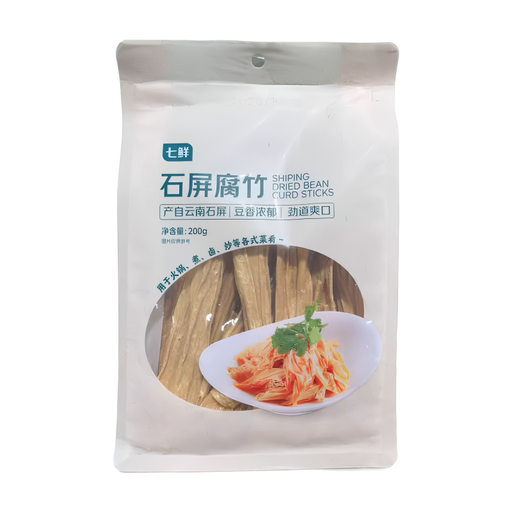
Why It Stands Out: These bean curd sticks (or yuba sticks) are made using a traditional Shiping technique, resulting in a product rich in plant-based protein. Once rehydrated, they provide a dense, layered texture that is very different from fresh tofu.
Pros:
Who is it for: Home cooks who appreciate traditional ingredients and the versatility of a pantry staple. Ideal for those who enjoy a firmer, more substantial bite in their hot pot.
If our recommendations have inspired you to explore further, or if you are searching for a specific type of bean curd not featured here, we have a wider selection available.
Browse our full range of [Fresh soybeans] products to discover more delicious and authentic options for your next gathering.
1. What is the difference between tofu and bean curd? The terms are often used interchangeably, but "bean curd" is a broader category. Tofu refers to the fresh, block-like product made from coagulated soy milk. "Bean curd" can encompass tofu as well as other soy products, including dried bean curd sticks (yuba), tofu puffs and beancurd knots.
2. How long should you cook tofu in a hot pot? Cooking time varies by type.
3. Can you put fresh, silken tofu in a hot pot? While you can, it is not always the most practical choice. Silken tofu is extremely delicate and tends to break apart easily in a bubbling hot pot. It is better suited for gentler soups. For a classic hot pot experience, firmer varieties like those mentioned in this guide are more robust and easier to handle with chopsticks.