
24/7 Customer Support

Free returns

Same-day & Next-day Delivery

Quality Guaranteed

Unlock Your Welcome Offers: FREE Delivery | Up to 80% OFF | Free 30-day JoyPlus trial
Download the APP
A good bottle of hot sauce should do more than add heat. It should suit the food you cook, offer a flavour you enjoy and remain practical to store and use. Yet shoppers can easily pay for a sauce that is too hot, too sweet, too small or poorly matched to their cooking style.
This guide explains the key checks to make before buying chilli sauce, from ingredient percentages and heat style to pack size, storage and allergen information. It also highlights selected options for different UK households, including fans of Korean, Caribbean, Mexican, Thai and South Asian food.
“Extra hot” and “fiery” wording does not tell you how a sauce will taste. A sauce based on Scotch bonnet or habanero peppers may have fruity notes, while a vinegar-led pepper sauce can be sharper and more acidic. Some Korean sauces also combine chilli with sugar, soya and fermented ingredients, creating a richer flavour profile.
Check the ingredient list rather than relying on front-of-pack language. Pepper percentage is useful: Encona Pepper Sauce Extra Hot lists chilli purée at 56%, while Encona Scotch Bonnet Extra Hot Pepper Sauce lists Scotch bonnet peppers at 45%. These figures provide more context than promotional descriptions alone.
A 500g or 820g bottle may offer convenience for a busy household, but it is not automatically economical if you only use a few drops at a time. Conversely, a 57ml bottle may run out quickly if you use spicy sauce for marinades, dips and cooking.
Compare the net quantity with your likely weekly use. Also check storage instructions after opening. Many sauces require refrigeration and have a recommended period for consumption, so a smaller bottle can be more suitable for occasional users.
Hot sauce can contain ingredients such as soya, mustard, wheat, celery or sesame, particularly in Korean chilli sauces, cooking sauces and seasoning pastes. Always read the current product label, even if an online description appears suitable for your diet.
Salt and sugar levels also vary considerably. For example, a vinegar-based pepper sauce may contain very little sugar, while a sweet chilli or Sriracha sauce can contain substantially more carbohydrate. Treat nutrition information as a comparison tool rather than assuming every pepper sauce is similar.
There is no single UK-wide heat scale that all manufacturers use consistently on retail bottles. Look at the named pepper, its percentage and the serving suggestion. Scotch bonnet, habanero, bird’s eye and ghost pepper products may be more intense than mild chilli-and-tomato sauces, but the final heat also depends on dilution, vinegar, sugar and other ingredients.
For everyday use, a balanced Mexican hot sauce, Tabasco sauce or medium peri-peri sauce may be easier to apply across eggs, pizza, chips and soups. For high-heat cooking, an extra hot sauce can work well when added in small quantities to stews, marinades or rice dishes.
Choose according to how you plan to eat it:
For occasional use, 57ml to 165ml bottles can reduce waste. Larger 500g, 760g or 820g formats are more practical for frequent cooks, shared households or catering-style use. Confirm whether the product is ambient before opening and whether it needs refrigeration afterwards.
UK shoppers should also check the best-before date, country of origin, allergen statement and preparation instructions. Packaging is the most current source of information if it differs from an online listing.
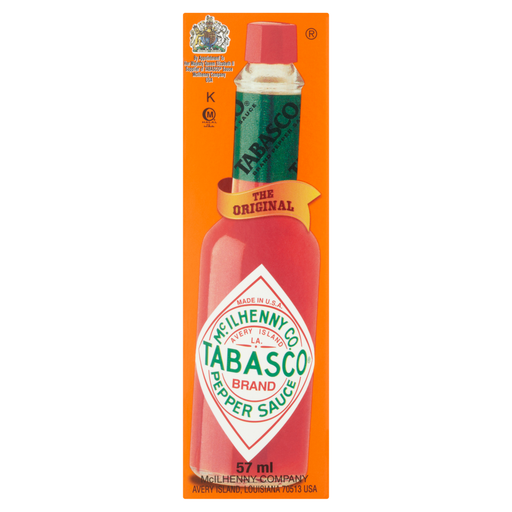
Why This Fits Their Persona: The compact bottle suits shoppers trying a classic vinegar-style hot sauce without committing to a large pack. It can be used in small amounts on eggs, pizza, soups and meat.
The 57ml format limits waste for occasional users, while the short ingredient list makes the flavour style clear.
57ml quantity; ingredients include distilled vinegar, red pepper at 19% and salt; no allergens are listed.
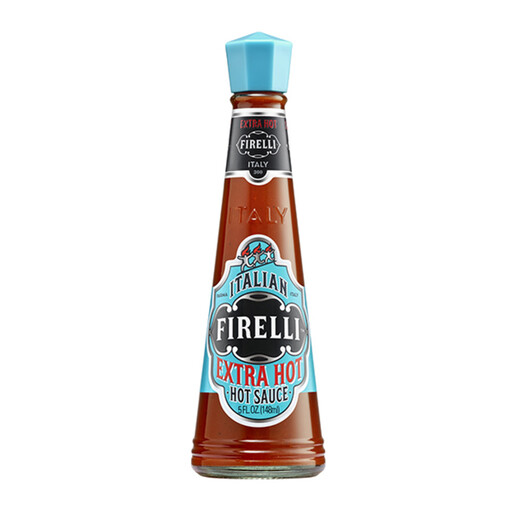
Why This Fits Their Persona: Suitable for shoppers seeking a more layered sauce for pizza, pasta, eggs and salads rather than a simple heat-only condiment.
The ingredient list identifies roasted red peppers, balsamic vinegar, Calabrian chillies, lemon juice and porcini mushrooms, helping set expectations beyond heat.
148ml bottle; made in Italy; contains 8% Calabrian chilli peppers and no listed allergens.
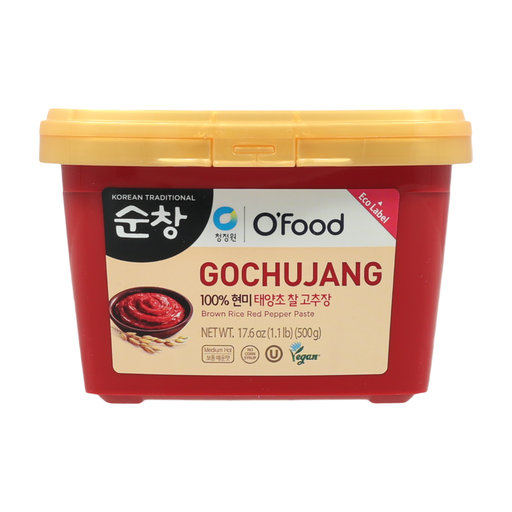
Why This Fits Their Persona: A practical choice for home cooks preparing Korean dishes, marinades, stir-fries, stews and dipping sauces regularly.
The 500g tub offers more capacity for repeated cooking, while the product is clearly identified as a Korean fermented chilli paste rather than a pourable table sauce.
500g pack; suitable for marinades, stews, dipping sauces and stir-fries; contains soya, which is clearly stated.

Why This Fits Their Persona: Designed for shoppers who regularly add high heat to jerk chicken, wings, stews, rice dishes, marinades and dips.
The bottle identifies Scotch bonnet content at 45% and provides a clear extremely hot warning, reducing the risk of underestimating its intensity.
220ml size; 45% Scotch bonnet peppers; no allergens are listed; refrigerate after opening and use within eight weeks according to the product information.
We have compiled a complete, real-time list of products that fully satisfy these strict selection criteria and UK safety regulations.
A versatile everyday option usually has a balanced heat level and a flavour that works across several dishes. Vinegar-based sauces can suit eggs, pizza and soups, while medium peri-peri or Sriracha sauce can work well with chicken, chips, noodles and sandwiches. Check the label for pepper content, sugar and salt before buying.
Storage depends on the product. Some bottles can remain in a cool, dry cupboard before and after opening, while others should be refrigerated once opened. Follow the instructions on the packaging. A chilled sauce should also be used within the stated period to maintain its intended quality.
It may offer a lower cost per 100ml, but only if you use it before the recommended storage period and best-before date. Compare pack size with your actual habits. A 142ml extra hot sauce may last longer than expected because only a small amount is needed, whereas a sweeter cooking sauce may be used more generously.