
24/7 Customer Support

Free returns

Same-day & Next-day Delivery

Quality Guaranteed

Unlock Your Welcome Offers: FREE Delivery | Up to 80% OFF | Free 30-day JoyPlus trial
Download the APP
Whether you want a few drops on scrambled eggs or a sauce for marinating chicken, buying the right hot sauce involves more than choosing the bottle with the fiercest-looking label. Heat, acidity, sweetness, ingredients, storage and intended use all affect whether a sauce earns a regular place in your kitchen.
This guide helps UK shoppers compare chilli sauce, pepper sauce, peri peri sauce, sriracha sauce and specialist options such as Caribbean hot sauce or Carolina Reaper sauce without relying on vague marketing language.
A label may highlight Scotch Bonnet, African Bird’s Eye, Ghost Chilli or Carolina Reaper peppers, but the name alone does not tell you how the finished sauce will taste. The percentage of chilli, the amount of vinegar or water and the inclusion of sugar or fruit can significantly alter the flavour and intensity.
For example, Encona Scotch Bonnet Extra Hot Pepper Sauce lists Scotch Bonnet peppers at 45%, while Encona Carolina Reaper Chilli Sauce lists Carolina Reaper chillies at 21%. Both are labelled as extremely hot, so they are more suitable for experienced chilli eaters than casual dipping.
Sweetness can make a sauce more approachable, but it may not suit every dish. Some Korean hot sauce and sriracha-style products contain noticeable sugar, making them useful for stir-fries, noodles and dipping. Others are sharper, more vinegar-led sauces designed for eggs, soups and savoury cooking.
Salt also varies considerably. Check the nutrition panel before buying, particularly if you plan to use a sauce generously as a marinade or cooking base. A small serving may be enough to add flavour without overwhelming the rest of a meal.
A 57ml bottle can be sensible if you are trying a new flavour or only use hot sauce occasionally. Larger bottles offer better practicality for households that regularly prepare wings, barbecues, marinades or spicy cooking sauces, but they take longer to use and may require refrigeration after opening.
Always check the storage instructions. Several sauces in this guide require refrigeration once opened, with recommended consumption periods ranging from a few weeks to several months.
Look for clear information about the chilli used and, where available, its percentage in the ingredients list. A Scotch Bonnet sauce usually brings fruity Caribbean character alongside heat. African Bird’s Eye chilli is common in peri peri sauce, often paired with lemon, garlic and vinegar. Carolina Reaper and Ghost Chilli products are generally positioned for very high-heat use and should be added sparingly.
Do not assume “extra hot” means the same thing across brands. If the product does not provide a Scoville rating, use the pepper type, concentration and safety guidance as practical indicators instead.
Choose the sauce according to the food you normally prepare:
Texture matters too. Thin sauces spread easily through soups and drinks, while thicker sauces cling to chips, wings and grilled food.
Read the full label rather than relying on front-of-pack descriptions. Soy, mustard, wheat, celery and possible traces of nuts or sesame appear in some products. This is particularly important when buying Korean-style sauces or sauces containing seasoning mixes.
For UK households, also check:
The following choices are matched to different shopping needs rather than ranked against one another.
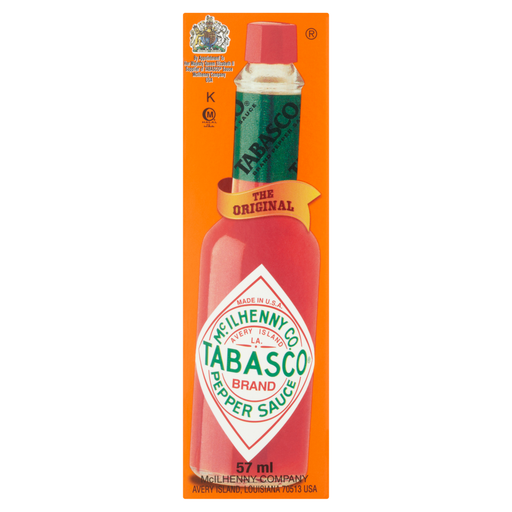
Why This Fits Their Persona: The compact 57ml bottle is a manageable way to try a classic vinegar-led pepper sauce without committing to a large quantity. It suits eggs, pizza, soups, meats and cocktails.
Its ingredient list is short: distilled vinegar, red pepper at 19% and salt, making the flavour profile straightforward rather than sugar-led.
No refrigeration is required according to the supplied product information; 16 kcal per 100ml and no declared allergens.
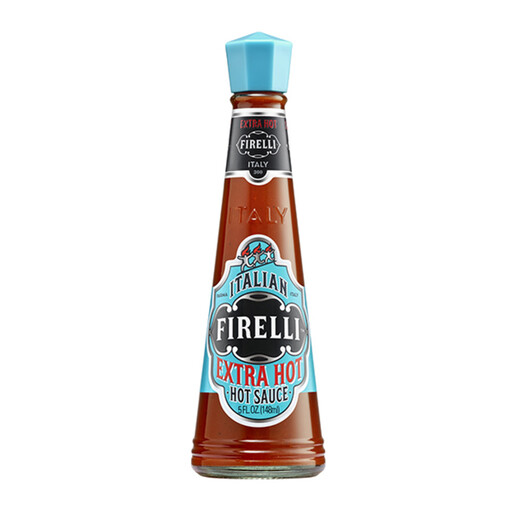
Why This Fits Their Persona: A suitable option for cooks looking beyond a simple vinegar-and-chilli profile, particularly for pizza, pasta, eggs and salads.
The ingredient list identifies roasted red peppers, Calabrian chilli peppers, balsamic vinegar, apple vinegar, lemon juice, garlic and porcini mushrooms, allowing you to assess its flavour depth.
Made in Italy; no declared allergens; a 148ml format is practical for occasional finishing and table use.
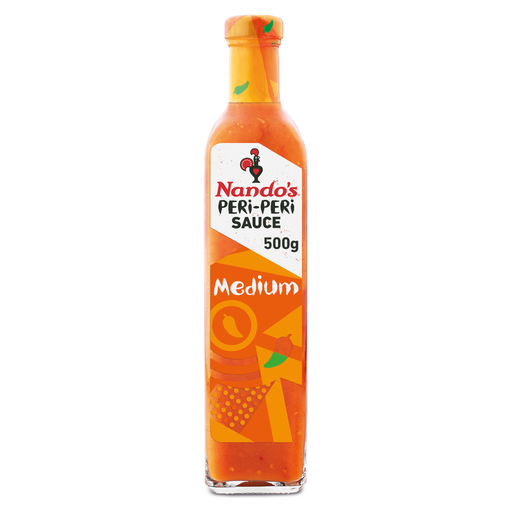
Why This Fits Their Persona: The 500g bottle is suited to regular family cooking, barbecues and meal preparation, with a medium heat profile for broader household use.
It provides a stated medium heat and lists African Bird’s Eye pepper, lemon, onion and garlic, helping shoppers choose flavour as well as spice.
Suitable for dipping, drizzling and cooking; supplied information gives approximately 25 portions of 20g.

Why This Fits Their Persona: Intended for shoppers specifically seeking Carolina Reaper character for wings, burgers, stews and marinades.
The label specifies Carolina Reaper chillies at 21% and advises using a 5ml serving sparingly, rather than treating it as an everyday pouring sauce.
142ml bottle; no declared allergens in the supplied information; 43 kcal per 100ml.
We have compiled a complete, real-time list of products that fully satisfy these strict selection criteria and UK safety regulations.
Start with a small amount and increase gradually, especially when using extra hot sauce or a Carolina Reaper sauce. Mix a few drops into mayonnaise, yoghurt-style dips or tomato-based sauces to distribute the heat more evenly. For marinades, check whether the product is intended to be cooked and follow the bottle’s instructions.
A few combinations to try include:
Wash hands after handling high-heat sauces and avoid contact with eyes or sensitive skin. Keep bottles securely closed and away from young children.
It depends on the product. Some vinegar-based sauces, as the supplied Tabasco product information indicates, can be stored in a cool, dry place without refrigeration. Other products recommend refrigerating after opening, including several Caribbean, peri peri and Korean sauces. Always follow the label on your bottle.
The recommended period varies. Examples in the supplied product details include eight weeks, twelve weeks, three months, four weeks and six months. Acidity, preservatives, ingredients and storage conditions all affect shelf life. Discard a sauce if the bottle is damaged or the contents show mould, an unusual smell or unexpected discolouration.
A small bottle with a clear, moderate or vinegar-led profile is usually easier to manage than an extra hot sauce. A 57ml classic pepper sauce offers a low-commitment starting point, while a medium peri peri sauce may suit shoppers who want a larger bottle for cooking and dipping. Check the ingredient list and stated heat level before ordering.