
24/7 Customer Support

Free returns

Same-day & Next-day Delivery

Quality Guaranteed

Unlock Your Welcome Offers: FREE Delivery | Up to 80% OFF | Free 30-day JoyPlus trial
Download the APP
Choosing hot sauce and chilli sauce for a UK kitchen can be surprisingly difficult. A small bottle may be designed for drops, while a thick chilli paste is intended for cooking. Heat labels can also be inconsistent, and an attractive “international” description does not always explain the sauce’s texture, allergens, salt level or storage needs.
Whether you want a spicy sauce for chips, chilli oil for noodles, or a versatile cooking base for a food business, check the details below before adding another jar or bottle to your cupboard.
A sauce described as “extra hot” may deliver intensity without the acidity, sweetness, smokiness or fermented depth needed for a balanced dish. Conversely, a mild sauce may be more useful for everyday meals because it can be added gradually to eggs, pizza, soups, rice and marinades.
Look beyond the heat description. Ingredients such as vinegar, garlic, citrus, fermented beans, herbs and spices often have a greater effect on how a sauce works in a recipe.
Thin vinegar-based hot sauces are suited to drizzling and seasoning. Thick pastes are more appropriate for marinades, stir-fries and stews. Crispy chilli oil contains solids that add texture, whereas a smooth Asian chilli sauce may be easier to mix into a dip or glaze.
A bottle labelled chilli sauce is not automatically suitable as a cooking sauce. Check whether it is ready to eat or requires frying or heating first.
International sauces may contain soybeans, wheat, sesame, peanuts, crustaceans or mustard. These details are especially important when cooking for family members, guests or customers.
Storage also affects value. Some products require refrigeration after opening and should be used within a stated period. Buying a large jar for occasional use can lead to waste if the sauce is not used quickly.
Consider how the sauce will be used and who will eat it. A mild Mexican-style sauce can work at breakfast and on snacks, while Scotch bonnet, habanero or ghost pepper sauces are more suitable for small quantities in marinades, curries and stews.
For shared meals, a moderate sauce or a separate chilli oil allows each person to adjust their portion. If you are seeking the spiciest sauce, read the ingredient list and serving guidance rather than relying solely on front-of-pack language.
Choose a pourable sauce for tacos, burgers, eggs and dipping. A thicker Caribbean pepper sauce can cling to grilled food and work well in marinades. Fermented chilli bean sauce is concentrated and generally needs to be cooked with oil or other ingredients.
For Sichuan recipes, look for broad bean paste, fermented beans and Sichuan peppercorns. These ingredients provide a savoury and numbing character that differs from a simple vinegar-based Mexican hot sauce.
The ingredient list helps identify the sauce’s practical role:
Compare salt and sugar per 100g or 100ml, particularly if the sauce will be used frequently or in large quantities. Always check the physical packaging for the latest allergen and storage information.
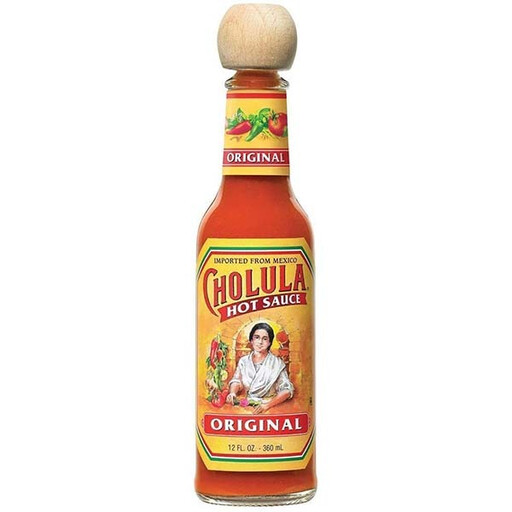
Why This Fits Their Persona: A compact everyday bottle for UK households starting to explore Mexican-style hot sauce with eggs, pizza, tacos, soups and snacks.
Its listed pepper blend includes arbol and piquin peppers, while the product is described as mild rather than relying only on extreme heat.
150ml format; smooth, pourable consistency; contains soybeans, so the allergen information is clear to check.
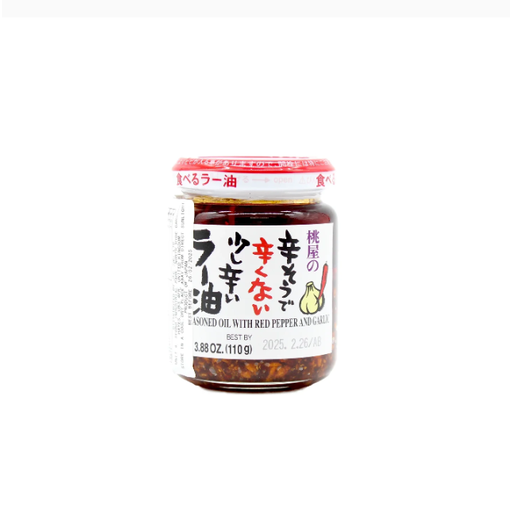
Why This Fits Their Persona: Suitable for shoppers who want a textured Japanese condiment to finish ramen, rice, dumplings or grilled tofu.
The description specifies 15% fried garlic and identifies the product as mild in heat, making its texture and intensity easier to anticipate.
Includes fried garlic, fried onion, sesame oil and sesame seeds; useful as a drizzle, dip or marinade.
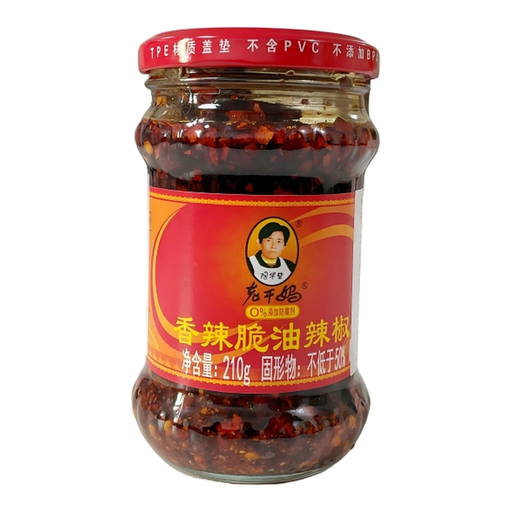
Why This Fits Their Persona: A practical choice for regular noodle, rice, dumpling, porridge and stir-fry meals, including busy family kitchens and food businesses.
It is clearly presented as a ready-to-eat crispy chilli oil with defined chilli flakes and peanuts, rather than an unspecified smooth sauce.
Contains 20% chilli flakes and 8% peanuts; ready to mix directly into rice or noodles or use in a dipping sauce.
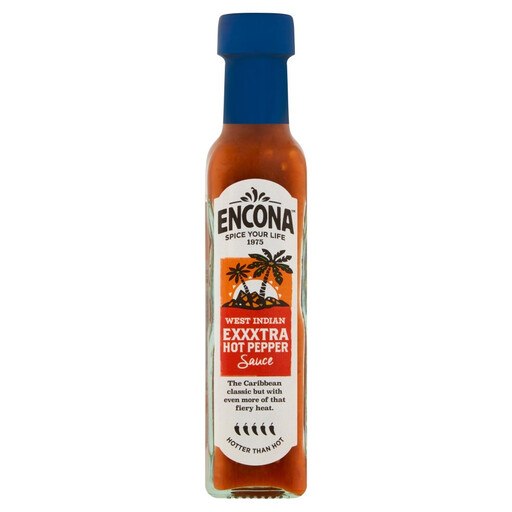
Why This Fits Their Persona: Intended for chilli lovers who want a concentrated Caribbean-style pepper sauce for marinades, curries, grilled food and dips.
The listing identifies Scotch bonnet and habanero peppers and advises adding it sparingly because of its high heat.
Thick texture that clings to food; contains mustard, which is clearly listed as an allergen.
We have compiled a complete, real-time list of products that fully satisfy these strict selection criteria and UK safety regulations.
“Hot sauce” often refers to a pourable pepper-and-vinegar condiment used at the table. “Chilli sauce” is a broader term that can include sweet sauces, fermented pastes, chilli oils and cooking bases. Always check texture, preparation instructions and intended use.
Follow the product label. Some vinegar-based bottles can be kept in a cool, dry cupboard, while others recommend refrigeration after opening. Chilli oils and pastes may have shorter recommended usage periods once opened, so note the guidance before buying larger formats.
Prioritise format, consistency, allergen information and portion control. Larger bottles or jars can offer practical value for frequent service, but only if the kitchen can use them within the stated period. Keep separate options for dipping, cooking and finishing so staff can apply each sauce accurately.