
24/7 Customer Support

Free returns

Same-day & Next-day Delivery

Quality Guaranteed

Unlock Your Welcome Offers: FREE Delivery | Up to 80% OFF | Free 30-day JoyPlus trial
Download the APP
The world of hot sauce has never been more exciting, with supermarket shelves and online stores offering a dizzying array of bottles from around the globe. But with so much choice comes confusion. It's easy to end up with a cupboard full of sauces that are either too fiery to enjoy, too bland to make an impact or simply the wrong type for your cooking. As a Product Recommendation Officer, my role is to help you navigate the market and find a hot sauce that truly suits your taste and needs, without falling for common marketing traps.
Before you add another bottle to your basket, let's look at the pitfalls that often lead to a disappointing purchase.
cooking chilli paste like gochujang is designed for stews and marinades. Buying the wrong format leads to culinary frustration.To make a smart choice, focus on a few core parameters instead of flashy labels. These details will tell you everything you need to know about how the sauce will taste and perform in your kitchen.
The base of a chilli sauce is a primary indicator of its intended use. Understanding the difference is key to getting the results you want.
sriracha or many peri peri sauce varieties often have a thicker, richer body. They are more versatile and can be used as a dipping sauce, a sandwich spread or stirred into dishes during the final stages of cooking.gochujang or North African harissa paste are concentrated spicy condiments designed as a flavour base for cooking. They are meant to be incorporated into marinades, stews and stir-fries, releasing their complex flavours when heated.The type of chilli pepper used defines the sauce's soul. Different peppers offer unique flavour profiles, from smoky and earthy to bright and fruity.
Encona sauce, deliver a potent heat with distinctive fruity notes.extra hot sauce will still allow the pepper's underlying fruity character to come through.Always check the nutritional information per 100g. Many mass-produced sauces use high levels of sugar and salt to enhance flavour and act as preservatives. While not inherently bad, excessive amounts can mask low-quality ingredients and unbalance your dish. A high sugar content (over 15g per 100g) often indicates a sauce that is more sweet than spicy, which might not be what you're looking for.
To help you find the right match, we've selected a few options from our world food sauces collection, each suited to a different type of user.
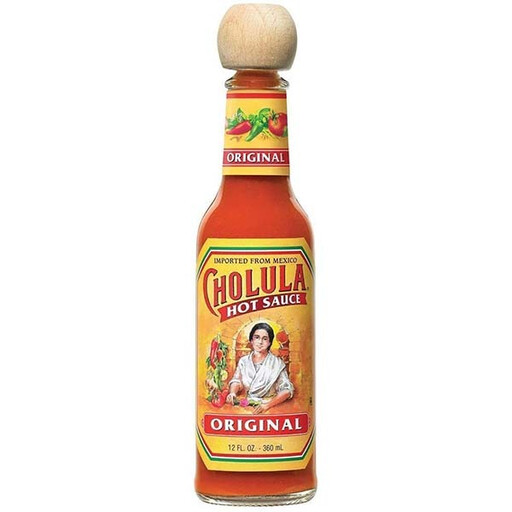
Why This Fits Their Persona: This is for the person who wants to add a savoury kick to everything from their morning eggs to pizza night. It's about enhancing flavour, not just adding heat, making it a perfect daily-use table sauce.
It sidesteps the "extreme heat" trap by focusing on a balanced, full-bodied flavour from Arbol and Piquin peppers rather than pure Scoville power.
Its signature savoury flavour and mild warmth make it incredibly versatile. The iconic wooden cap and bottle look great on any dining table.
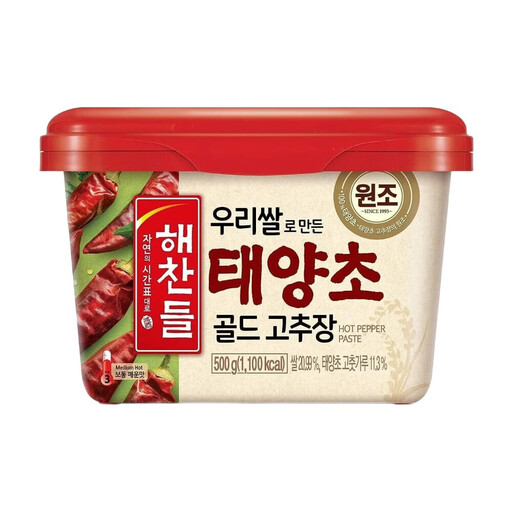
Why This Fits Their Persona: For the home cook dedicated to recreating authentic Korean dishes like bibimbap or spicy jjigae. This isn't a table sauce; it's a fundamental building block of flavour for specific recipes.
This is a genuine fermented Korean pepper paste, avoiding the "vague authenticity" trap. It's the correct format—a thick paste—for its intended culinary use.
It provides a complex sweet, savoury and spicy umami flavour that is difficult to replicate. It's a versatile cooking base for marinades, stews and dips.

Why This Fits Their Persona: This sauce is for the experienced spice enthusiast who wants to test their limits. It's designed for those who seek out the world's hottest peppers and enjoy the thrill of an intense, fiery kick.
While it embraces extreme heat, it does so with a high-quality, named pepper. The product description highlights the "fruity flavour" of the Carolina Reaper, showing a focus on taste alongside the fire.
It delivers on its promise of extreme heat. The warning to "use sparingly" is a clear indicator of its potency, ensuring users get the intensity they are looking for.
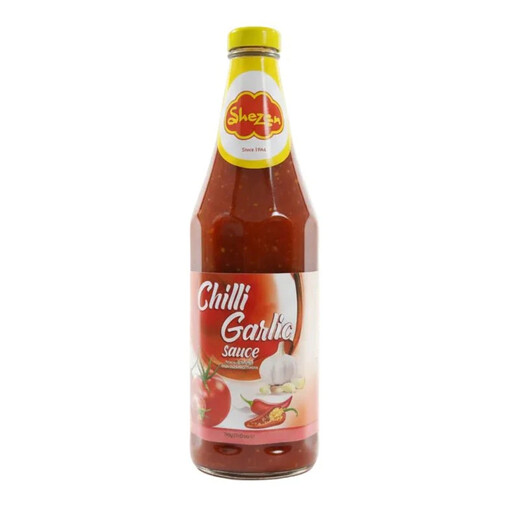
Why This Fits Their Persona: This is for households, cafes or anyone needing a reliable, versatile chilli sauce in a larger quantity. It's perfect as a dip for samosas and spring rolls, a drizzle on burgers or an ingredient in stir-fries.
It avoids the "wrong tool for the job" trap by being explicitly marketed as a multi-purpose sauce for dipping, drizzling and cooking, making its function clear.
The large 780g bottle offers great value for families or food service use. Its balanced chilli and garlic flavour is a crowd-pleaser that works with a wide range of cuisines.
We have compiled a complete, real-time list of products that fully satisfy these strict selection criteria and UK safety regulations.
Most hot sauces benefit from being stored in the refrigerator after opening. This helps to preserve their colour, flavour and freshness. Vinegar-heavy sauces like Tabasco are more shelf-stable due to the high acidity, but refrigeration is still a good practice. Always check the storage instructions on the bottle, as they can vary.
The main differences are consistency and usage. A hot sauce is typically a liquid condiment, ranging from thin to thick, designed to be added to finished dishes. A chilli paste, like gochujang or harissa paste, is a very thick, concentrated paste intended to be used as a cooking ingredient. It forms the flavour base for marinades, soups and stews and its full character is often released through cooking.
While you can add any hot sauce to a pot, some are better suited for cooking than others. Thin, vinegar-based sauces can sometimes become too acidic or lose their nuanced flavour when heated for long periods. Thicker sauces and pastes, especially those with a tomato, oil or fermented base, are specifically designed to hold up to heat and are excellent for incorporating directly into your cooking.