
24/7 Customer Support

Free returns

Same-day & Next-day Delivery

Quality Guaranteed

Unlock Your Welcome Offers: FREE Delivery | Up to 80% OFF | Free 30-day JoyPlus trial
Download the APP
The world of hot sauce has exploded in the UK, with supermarket shelves and online stores offering a dizzying array of bottles from around the globe. But with so much choice comes confusion. It's easy to end up with a cupboard full of half-used bottles that were either all fire and no flavour, or simply not right for the dishes you love to cook. As your Joybuy Product Recommendation Officer, my role is to help you navigate the market and find the right spicy condiments for your kitchen, without falling for common marketing traps.
Before you add another bottle to your basket, let's look at the frequent pitfalls that lead to a disappointing purchase:
To make a smart choice, focus on a few core characteristics that determine a sauce's flavour, heat and best use.
The source of the heat is the single most important factor for flavour.
The texture and base of a sauce dictate its primary function in the kitchen.
Look past the heat level and consider the overall taste. Is it smoky, fruity, garlicky, sweet or savoury? A good product description or ingredient list will give you clues. A sauce with garlic, onion and herbs will be savoury, while one with a high sugar content will be sweeter and work well as a glaze. Exploring these different world hot sauces is the key to building a versatile collection.
Instead of a generic list, we've matched some popular options to the people who will appreciate them most.

Why This Fits Their Persona: This user wants to enhance their food, not obliterate it with heat. They appreciate a sauce that adds a savoury, garlicky dimension to everything from eggs to pizza and tacos. It's a versatile table sauce for daily use.
It directly counters the "heat over flavour" fallacy. The focus is on the robust taste of arbol and piquin peppers blended with garlic, offering a mild-to-medium heat that complements food.
Its balanced, savoury flavour and moderate heat make it incredibly versatile. It's a true all-rounder for adding flavour without overwhelming the dish.

Why This Fits Their Persona: This person loves a powerful, fiery kick but wants it to come from a real pepper with a distinct character. They enjoy Caribbean flavours and want a sauce that stands up to jerk chicken, stews and rice dishes.
It avoids the extract gimmick by using a high concentration (45%) of real Scotch Bonnet peppers. This provides an intense, authentic heat that also carries the pepper's signature fruity flavour.
Delivers genuine, explosive heat with a distinct fruity pepper taste, true to its Caribbean roots. A little goes a very long way.
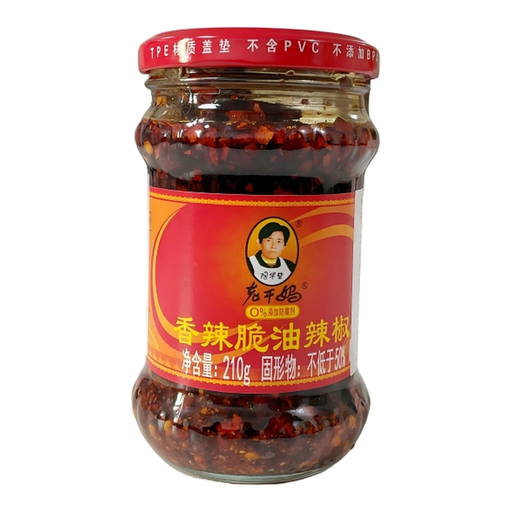
Why This Fits Their Persona: This home cook is looking for texture and umami as much as heat. They want a condiment that can be spooned over noodles, rice, eggs and dumplings to add a savoury, crunchy and moderately spicy finish.
It sidesteps the "one-sauce-fits-all" myth. This is not a liquid sauce but a chilli crisp oil, a specific type of condiment designed for topping and mixing, offering a unique textural experience.
Adds a unique crunchy texture from crispy chilli flakes and peanuts, alongside a deep, savoury and aromatic flavour from the infused oil. It's a flavour and texture enhancer in one jar.
We have compiled a complete, real-time list of products that fully satisfy these strict selection criteria and UK safety regulations.
Most vinegar-based hot sauces are quite stable. While many don't require refrigeration, storing them in the fridge after opening is a good practice to preserve their flavour, colour and freshness for longer. Oil-based condiments like chilli crisp should also be refrigerated. Always check the label for specific storage instructions. An opened bottle, when stored correctly, can last for many months, though its peak flavour may diminish over time.
In the UK, the terms are often used interchangeably. However, "chilli sauce" can sometimes refer to thicker, sweeter varieties (like Thai sweet chilli sauce), whereas "hot sauce" often implies a thinner, more pungent American or Caribbean-style sauce with a vinegar base. There are no strict definitions, so it's always best to read the ingredients and description to understand the product's style and flavour profile.
While you can experiment, some sauces are better suited for cooking than others. Thick pastes like gochujang or rich, purée-based sauces are excellent in marinades, stews and stir-fries as their flavour integrates well. Very thin, vinegar-heavy sauces can sometimes become overly acidic or have their flavour muted by prolonged cooking, making them more suitable as a finishing sauce to be added just before serving.