Hotel breakfast buyers comparing fat figures
Compare fat per 100ml on the exact flavour and pack, then look at the bottle’s full serving size, sugars and protein. A shake’s name alone does not tell you how these figures compare.


For a hotel breakfast buffet, start with the fat figure per 100ml on the exact flavour’s label, then choose a bottle size and storage arrangement that work for service. Tesco lists For Goodness Shakes Protein Chocolate 330ml at 0.3g fat per 100ml, while Yazoo lists its conventional Chocolate drink at 1.4g; portion size, sugars and milk-allergen information still matter when deciding what to serve.
Compare fat per 100ml on the exact flavour and pack, then look at the bottle’s full serving size, sugars and protein. A shake’s name alone does not tell you how these figures compare.
Check ingredients as well as lactose-free wording. The For Goodness Shakes and Arla Protein examples listed by retailers contain milk, so they are not dairy-free choices.
Keep information for the drinks actually served accessible to guests and staff. The Food Standards Agency’s guidance covers allergen information for both prepacked and non-prepacked food and drink.
Choose the serving format alongside the nutrition profile: a bottle that works as one portion may create a different service task from a larger bottle opened for pouring.
| Priority | What to check | Your needs |
|---|---|---|
| Fat per 100ml | Read the nutrition panel for the exact flavour. The annex to Regulation (EC) No 1924/2006 published by legislation.gov.uk gives a 1.5g-per-100ml condition for a low-fat claim on liquids; check applicable current requirements before using that claim. | I need to compare drinks using the same per-100ml measure, rather than relying on words such as “protein” or “lactose-free”. |
| Bottle and portion size | Compare volume and nutrition per bottle as well as per 100ml. Decide whether each bottle will be offered unopened or opened for serving. | A smaller individual bottle may fit our service better than a larger one that staff need to portion and store after opening. |
| Storage after opening | Read the sealed-pack storage directions and the refrigeration and consumption instructions after opening. Plan opened quantities around your service. | I need staff to know which bottles must go into the fridge once opened, even if unopened stock can be kept in a cool, dry place. |
| Milk allergens | Check the current ingredient and allergen declaration, including on lactose-free drinks. Keep guest-facing information aligned with the product served. | Guests must be able to distinguish a lactose-free milk drink from a dairy-free option before choosing. |
| Nutrition profile | Compare protein, sugars and energy using the same basis, then check the amount in the intended serving. Note milk ingredients and sweeteners where relevant. | Some guests may want a protein shake; for a general buffet drink, I also want to see what the whole bottle provides. |
Those descriptions refer to different product characteristics. They do not establish the fat content of a particular flavour.
Check fat per 100ml on the exact pack before describing or selecting it as a low-fat drink.
The cited For Goodness Shakes and Arla Protein drinks contain milk. A guest with a milk allergy needs accurate milk-allergen information, regardless of lactose-free wording.
Use the current pack declaration for buffet information and make sure staff can find it when answering guest questions.
Retailer listings for the cited UHT shakes give different instructions for unopened storage and opened bottles. Opened drinks require refrigeration and have stated consumption periods.
Follow each pack’s post-opening directions and plan how many bottles to open during service.
A 330ml bottle and a 471ml or 482ml bottle represent different amounts to serve, even when their per-100ml fat figures meet the same comparison point.
Set the intended portion, then compare sugars, protein and energy for that portion as well as per 100ml.
These examples illustrate different breakfast-drink formats; the figures apply to the named products and flavours, not every drink from each brand.
Ready-to-drink chocolate protein shakes in 330ml and 471ml bottles.
A lactose-free-positioned flavoured milk range, represented here by the Strawberry & Raspberry 482ml bottle.
Conventional flavoured milk, represented here by Yazoo Chocolate rather than a specialist protein shake.
A breakfast-oriented chocolate drink; Sainsbury’s describes the cited 330ml product as long-life and UHT-treated.
These ready-to-drink protein shakes and one yoghurt-style drink offer different bottle sizes for a breakfast buffet. Compare each exact flavour’s nutrition panel and storage directions before choosing how to serve it.
 No image available
The 330ml bottles offer an individual serving format for the buffet. This drink contains milk; check the exact flavour’s nutrition panel and follow its storage instructions before service.
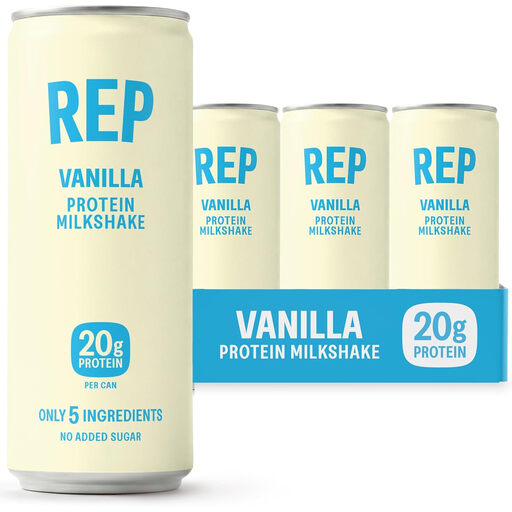 No image available
The 250ml can is the smallest stated serving among these Joybuy options. It contains milk; compare its nutrition per can with the portion you want to offer and check its storage directions.
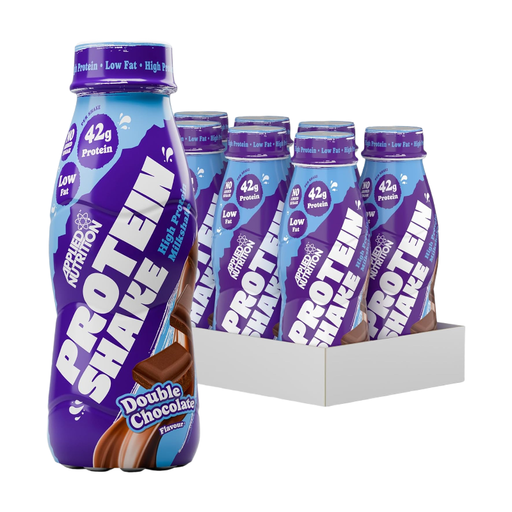 No image available
The 500ml bottle calls for a deliberate portion decision if it will be offered as a single drink. It contains milk; compare nutrition for the whole bottle and follow the pack’s storage instructions.
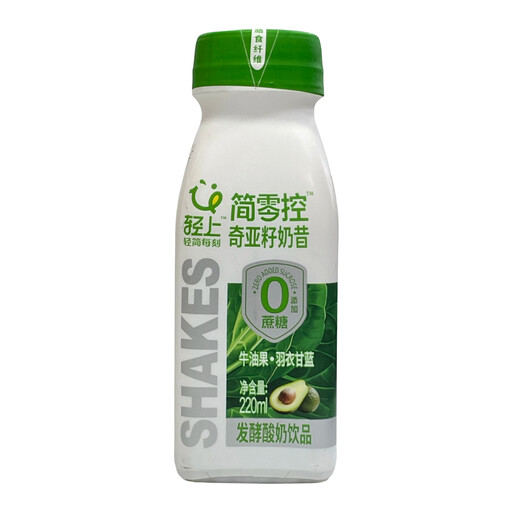 No image available
This 220ml yoghurt-style drink is a different format from a conventional flavoured-milk shake. It contains milk; check whether that format suits the buffet, along with its nutrition panel and storage directions.
No. The For Goodness Shakes and Arla Protein examples listed by retailers contain milk despite their lactose-free positioning. Check the ingredient declaration and do not present these drinks as suitable for someone avoiding milk because of an allergy.
Guests need accurate information about allergens in the drinks served. The Food Standards Agency says food businesses must provide allergen information for prepacked and non-prepacked food and drink; use current pack details and ensure staff know where to find them.
Follow the directions on the exact pack. The cited For Goodness Shakes and Arla Protein product listings permit cool, dry storage before opening, but instruct customers to refrigerate the drinks after opening and use them within the stated period.
Choose the range around the drinks and portions you intend to serve, rather than protein content alone. The cited protein shakes differ in bottle size, sugars and protein; a conventional flavoured-milk option such as Yazoo Chocolate has a different nutrition profile. Display accurate nutrition and allergen information for whichever products you select.