Operators with kettle-only rooms
If guests have hot water but no capsule machine, instant coffee and instant sachets provide formats they can prepare in the room. Decide whether to supply plain coffee with separate additions or a pre-mixed drink.


For a hotel room with only a kettle, choose instant coffee or single-serve instant sachets rather than machine pods. Choose pods only after confirming the capsule system installed in each relevant room. Plain coffee lets guests decide whether to add milk or sugar; pre-mixed sachets simplify portioning but call for a check of the current ingredients and allergen information.
The equipment in each room is the starting point: a kettle and a capsule machine call for different coffee formats.
If guests have hot water but no capsule machine, instant coffee and instant sachets provide formats they can prepare in the room. Decide whether to supply plain coffee with separate additions or a pre-mixed drink.
Record the machine system in each applicable room type before ordering pods. Nescafé’s instructions, for example, specify a Dolce Gusto machine for its Dolce Gusto Espresso Intenso pod.
Milk-containing instant sachets offer a pre-portioned route, but guests and staff need access to the current ingredient and allergen information. Plain coffee with separately supplied additions gives guests a different level of choice.
Check the room equipment first, then decide how much choice to leave guests and how staff will replenish the tray.
| Priority | What to check | Your needs |
|---|---|---|
| Equipment fit | Confirm whether each room type has a kettle, a working capsule machine or both. For pods, match the named machine system on the pack: Nescafé instructs users to prepare Dolce Gusto Espresso Intenso in a Dolce Gusto machine. | I need a coffee format guests can prepare with the equipment actually in their room, not a pod chosen simply because the room has a kettle. |
| Drink choice | Decide between plain instant coffee with separate additions and a pre-mixed sachet. Nescafé describes its 2-in-1 sachets as containing coffee and milk; check each 3-in-1 product’s current recipe rather than assuming the same ingredients. | If guests should choose their own additions, I would supply plain coffee separately from milk and sugar. A pre-mixed white coffee suits a tray intended to offer that particular drink. |
| Ingredient information | Read the current ingredients list for each milk-containing product and keep its information accessible. The Food Standards Agency explains that allergens in prepacked food are emphasised in the ingredients list. | I want guests to be able to identify the ingredients in a sachet before they make a drink, including when the product or formulation changes. |
| Replenishment | Choose how staff will place and replace servings: individual sachets, portions taken from a jar, or pods for a confirmed machine. For jars, establish a clean serving method; for machines, account for cleaning and the correct pod supply. | Our room trays need a replenishment routine that staff can follow consistently, including a way to portion coffee if we use jars. |
A kettle does not prepare a Dolce Gusto pod: Nescafé’s instructions call for a Dolce Gusto machine. Instant coffee, by contrast, is prepared by adding water and stirring.
Check the equipment in each room type before ordering. Choose instant coffee or instant sachets where guests have only a kettle.
Pods bought for rooms without the matching machine cannot be used there without changing the room setup.
A coffee style or similar-looking pod does not establish machine compatibility. The named system is part of the preparation requirement.
Record the machine make and system, then check the compatibility stated for the exact pods being ordered.
Guests may need to check what a milk-containing drink contains. The Food Standards Agency points to the ingredients list and emphasised allergens on prepacked food.
Check each current pack and keep its ingredient information available alongside the product offered in rooms.
A jar needs a serving method, while a pod requires a compatible machine and a supply of matching capsules. Packaging alone does not settle how the room tray will be maintained.
Set out the serving, cleaning and restocking routine for one room type before using the same format across the property.
These UK product examples illustrate different formats; a brand’s inclusion here does not mean every product in its range suits every room.
Nescafé describes plain instant coffee, coffee-and-milk 2-in-1 sachets and Dolce Gusto pods as distinct preparation formats.
UK retail listings show Kenco instant coffee sachets and Tassimo Kenco pods as separate options.
Tesco lists Douwe Egberts Pure Gold Instant Coffee 190g as a plain instant-coffee option.
Tesco lists its Gold Instant Coffee 200g alongside other instant coffees and separate pod formats.
These options cover coffee for kettle-only rooms, including a pre-mixed sachet and a decaffeinated choice, plus pods for rooms with a confirmed Dolce Gusto machine. Keep the format and serving method in mind when comparing them.
 No image available
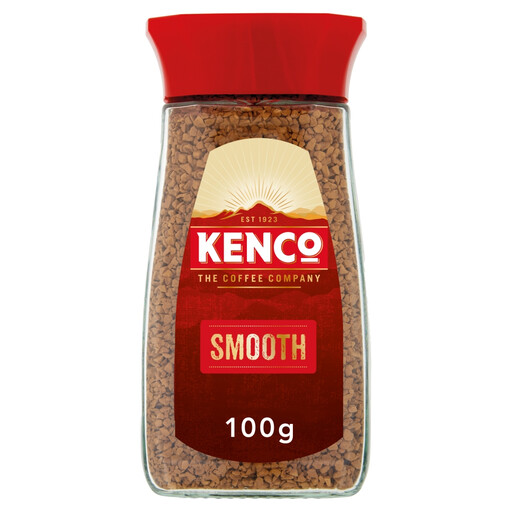
A plain-coffee option to consider for kettle-only rooms where guests choose their own additions. Establish how staff will portion the 100g jar and present servings on the room tray.
 No image available
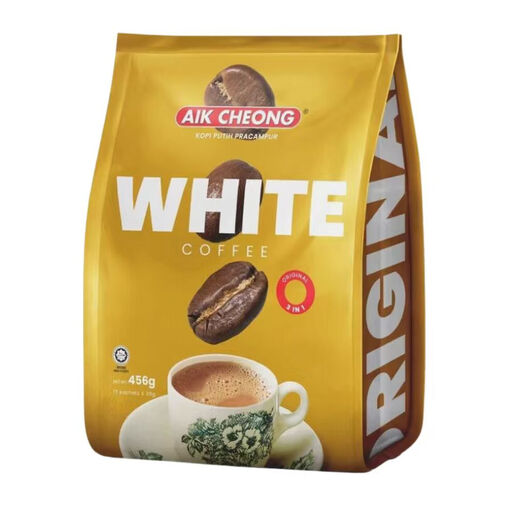
The individual sachets suit a kettle-only tray intended to offer a pre-mixed white coffee. The recipe includes creamer and sugar, so guests cannot adjust those additions as they could with plain coffee; check the current pack for ingredients and declared allergens.
 No image available
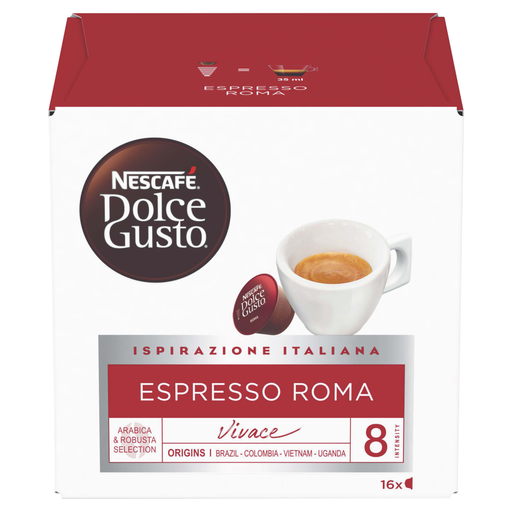
Consider these 16 pods only for rooms with a confirmed Dolce Gusto machine; they are not a kettle-only coffee option. Check the current pack instructions for the preparation setting before placing them in rooms.
 No image available
A decaffeinated coffee option for a kettle-only room tray. If using the 190g jar as housekeeping stock, set out how individual room servings will be portioned and labelled.
No: a kettle supplies water, not the machine needed to prepare a pod. Nescafé says its instant coffee is made by adding water and stirring, whereas its Dolce Gusto Espresso Intenso pod goes into a Dolce Gusto machine. Use an instant format for kettle-only rooms.
Consider pods when the room has a working machine of the system named for those pods and staff can clean it and replenish the correct capsules. For Dolce Gusto pods, confirm a Dolce Gusto machine in every room where they will be offered.
Choose individual sachets when a pre-portioned drink suits the tray and replenishment routine. Plain coffee from a jar leaves milk and sugar additions to the guest, but staff need a clean, consistent way to portion and present it in rooms.
Check the ingredients and allergens on the current pack for each product, and keep that information accessible to guests. The Food Standards Agency explains that prepacked food carries an ingredients list in which present allergens are emphasised; do not assume different 2-in-1, 3-in-1 or cappuccino sachets share a recipe.
Do not use appearance to judge compatibility. Check the system named on both the machine and the pod: Nescafé’s instructions for Dolce Gusto Espresso Intenso specify a Dolce Gusto machine, not another capsule system.