Hotel operators stocking tea trays
Pack format, current labels and accessible allergen information matter when sweets are supplied to guests. Check whether a proposed pack fits the hotel’s serving process before treating it as a single-room portion.


For a hotel-room tea tray, choose jelly sweets by their pack format, current ingredient and allergen information, and any dietary suitability you need to state to guests. A dark colour or fruit flavour does not establish cocoa content; if high cocoa is essential, check a separately labelled dark-chocolate product rather than treating it as a jelly-sweet feature.
Pack format, current labels and accessible allergen information matter when sweets are supplied to guests. Check whether a proposed pack fits the hotel’s serving process before treating it as a single-room portion.
Check the exact variant: Nestlé describes Rowntree’s Jelly Tots ingredients as suitable for vegans and vegetarians, and M&S describes its Percy Pig gums as vegan, while ASDA Jelly Babies list beef gelatine. Suitability statements do not replace the current allergen label.
Fruit-flavoured jelly sweets do not meet a high-cocoa requirement on the strength of their colour or flavour. If cocoa percentage is the deciding factor, look for a chocolate product that declares it.
Set the intended guest portion and dietary requirement first, then check the exact pack and its label before deciding whether jelly sweets—or a separate chocolate product—fit the tray.
| Priority | What to check | Your needs |
|---|---|---|
| Dietary suitability | Read the exact pack’s ingredients and its vegan or vegetarian statement; do not extend a claim from one variant to another. Check the allergen declaration separately. | If I’m offering a vegan or gelatine-free option, I need the specific sweet supplied to match that description. ASDA’s 190g Jelly Babies list beef gelatine. |
| Guest portions | Check pack weight, any stated serving size and whether the physical packs suit the hotel’s method of serving guests. Suggested servings do not establish individual wrapping. | I want to know what will actually be placed in each room, rather than assuming a sharing bag contains separately sealed guest portions. |
| Sugars on the label | Compare sugars per 100g with the amount you intend to serve. ASDA reports 55g sugars per 100g and 13g per one-eighth of its 190g Jelly Babies pack. | For a small tea accompaniment, I’d check the served amount as well as the per-100g figure. The NHS describes foods with more than 22.5g total sugars per 100g as high in sugar. |
| Allergen information | Keep the current product label and an accessible way to give guests allergen information, whether the sweets remain prepacked or are served loose. GOV.UK guidance addresses both formats for UK retail and catering businesses. | If sweets go onto a guest tray, I need staff to be able to identify the exact product and answer allergen questions about it. |
| Meaning of ‘dark’ | If cocoa content matters, look for a declared cocoa percentage on a chocolate product. Do not use a jelly sweet’s colour or berry flavour as evidence of cocoa content. | I’m looking for a cocoa-led treat, not merely a dark-coloured sweet; jelly sweets and dark chocolate need separate product checks. |
Fruit flavour or a dark appearance does not establish cocoa content. Tesco lists jelly-and-chewy sweets separately from dark chocolate.
If cocoa percentage is essential, check a dark-chocolate product’s declared percentage and allergen label instead.
Recipes differ: ASDA Jelly Babies list beef gelatine, while Nestlé and M&S describe the specific Jelly Tots and Percy Pig products discussed here as vegan.
Check the current ingredients and suitability statement for the exact variant being supplied.
A pack’s weight or suggested number of servings does not establish that its sweets are individually wrapped or suited to the hotel’s service method.
Inspect the physical format and decide how the hotel will keep accurate allergen information available to guests.
ASDA’s 190g Jelly Babies label gives both 55g sugars per 100g and 13g per suggested one-eighth-pack serving. These figures answer different portion questions.
Decide the amount to be served, then read both the per-serving and per-100g values on the current label.
HARIBO UK describes its Jelly Beans and Jelly Babies in terms of fruit flavours.
Nestlé lists Rowntree’s Jelly Tots in a 42g bag and states that its ingredients are suitable for vegans and vegetarians.
M&S describes the researched 100g Percy Pig product as chewy vegan gums made with fruit juice.
ASDA’s 190g Jelly Babies pack lists eight suggested servings and 55g sugars per 100g.
Sainsbury’s lists Jelly Bots in a 70g pack with an ingredient list.
Tesco lists jelly-and-chewy sweets and dark chocolate in separate grocery categories.
These fruit jellies and chewy sweets offer different pack sizes for a hotel tea tray. Check the exact pack’s suitability, allergen information and serving format; none should be chosen on the assumption that a dark colour means high cocoa.
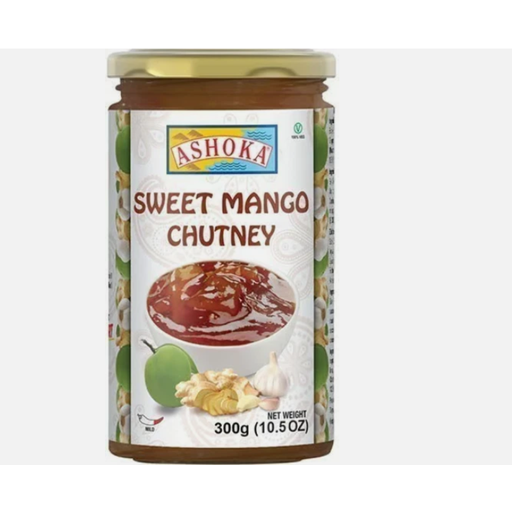 No image available
For separately served jelly portions, check how the six pieces are sealed and whether that format fits the hotel’s service method.
Check the current allergen label and the product’s warning that it is unsuitable for children under four.
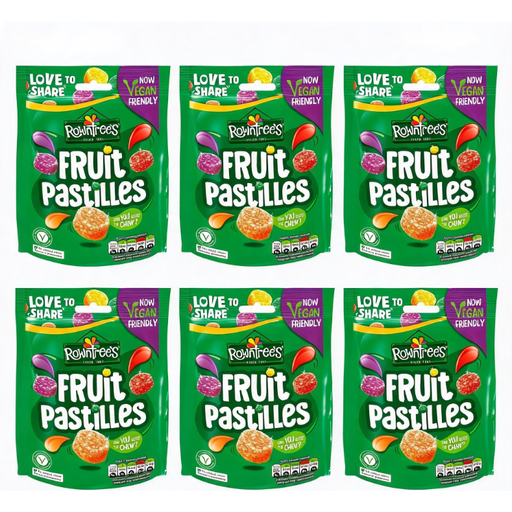 No image available
The six-pack format may suit replenishment, but each 143g bag needs a separate decision about guest portions.
Check the current vegan statement and allergen label for this exact product; do not assume individual sweets are wrapped.
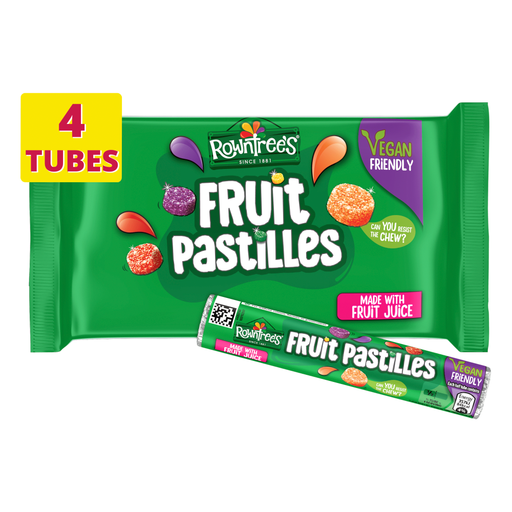 No image available
Four smaller pouches offer a different serving format from one large bag; check whether a whole pouch is appropriate for each room.
Check the current allergen label, particularly the listed milk information, before supplying guests.
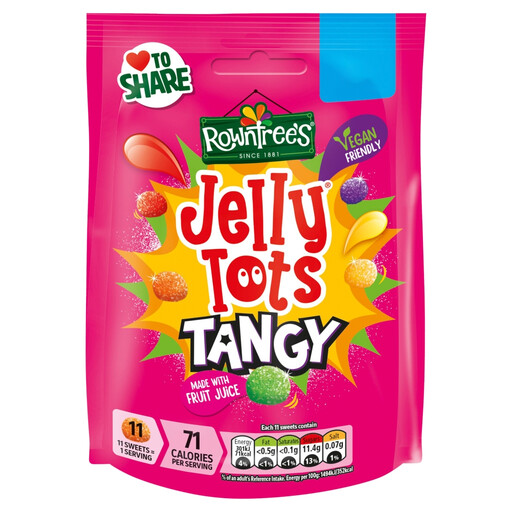 No image available
This 140g bag calls for a serving plan if sweets are to be placed in individual rooms.
If vegetarian or vegan suitability matters, check the current statement for this Tangy variant rather than applying a claim from another Jelly Tots pack.
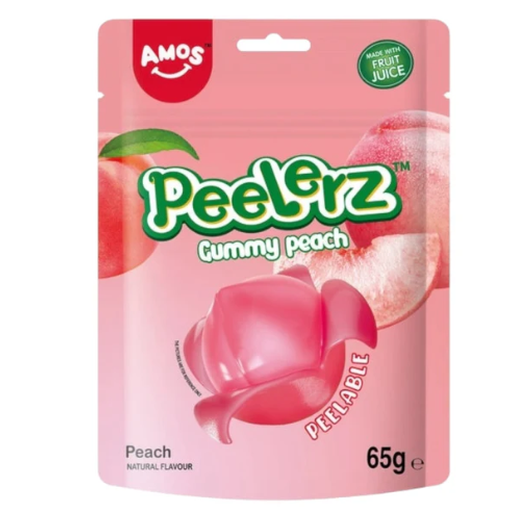 No image available
The 65g bag is an option to assess for a fruit-sweet tea accompaniment; confirm whether its physical format suits single-room service.
Read the current allergen label and check any required dietary suitability before offering it to guests.
Yes, provided the hotel can give guests accurate information about the food it supplies. GOV.UK allergen guidance for UK retail and catering businesses covers both prepacked and non-prepacked food; choose a serving method that keeps the exact product identifiable.
No. Nestlé says the ingredients in Rowntree’s Jelly Tots are suitable for vegans and vegetarians, and M&S describes its researched Percy Pig product as vegan, whereas ASDA Jelly Babies list beef gelatine. Check the current label for the exact pack and variant.
Colour alone cannot establish cocoa content. The jelly-sweet examples here are described by fruit flavours or fruit juice; if cocoa percentage is required, check a separately labelled dark-chocolate product.
Read both sugars per 100g and the figure for the amount you intend to serve. ASDA reports 55g sugars per 100g and 13g per suggested one-eighth-pack serving for its 190g Jelly Babies; the NHS describes foods with more than 22.5g total sugars per 100g as high in sugar.
No. Use the exact pack’s current allergen declaration as well as its dietary statement. Nestlé notes that Jelly Tots are made on a line shared with products containing ingredients not suitable for vegans; that statement does not replace product-specific allergen information.