Who is choosing for the buffet?

Breakfast managers serving drinks by the glass

Larger bottles can suit a chilled, self-serve station where staff can replenish the drink and keep track of the opened container. Check the received bottle’s storage instructions and keep its label identifiable after opening.

Teams planning individual servings

A 330 ml can gives each guest a fixed serving and keeps the manufacturer’s pack information with it. Check whether the cans fit the available chilling and replenishment arrangements.

Teams responsible for ingredient information

If lemonade is poured into a dispenser, staff still need to identify the product being served. This matters particularly when comparing recipes that list sulphites with drinks carrying an aspartame-related phenylalanine warning.

What should you check before ordering?

2-litre cloudy lemonade

Choose when: Staff can chill and replenish larger bottles at a self-serve station.

Trade-off: Once opened or decanted, the bottle’s identity, ingredients and storage instructions need to remain accessible.

330 ml lemonade cans

Choose when: Fixed portions and information on each serving’s pack suit the service.

Trade-off: Staff must plan space to chill and replenish individual cans.

Zero-sugar lemon-lime drink

Choose when: A lemon-lime soft drink fits the breakfast offer instead of lemonade.

Trade-off: It is a different flavour choice, and its exact claim and ingredient warnings still need checking.

Priority What to check Your needs
Menu claim Read the exact claim on the received pack and check its sugars per 100 ml. A no-added-sugar claim and a sugar-free claim have different conditions under the nutrition-claims rules published by legislation.gov.uk. I want the buffet sign to use the drink’s actual claim, not assume that no added sugar means zero sugars.
Drink style Check whether the pack describes cloudy lemonade, clear diet lemonade or a lemon-lime soft drink. Do not substitute one description for another. If guests expect lemonade, I need to decide whether a lemon-lime alternative fits the offer.
Sweeteners Compare the current ingredient lists and check for an aspartame-related phenylalanine warning. Sweeteners differ between the products discussed here. Guests may ask what is in the drink, so staff need information for the exact recipe being served.
Allergen information Keep the received product’s ingredient and allergen information available, including after decanting. Food Standards Agency guidance for England, Northern Ireland and Wales, and Food Standards Scotland guidance for Scotland, cover information for prepacked and non-prepacked food and drink. When I pour drinks into a dispenser, the team must still be able to identify the contents and answer allergen questions accurately.
Service format Check bottle or can size, chilling space and replenishment needs. For opened bottles, follow the received pack’s storage instructions. A dispenser may suit service by the glass; individual cans make more sense when each guest should receive a sealed portion.

Buffet buying mistakes to avoid

  • Calling every no-added-sugar drink sugar-free

    The claims describe different things. Tesco’s no-added-sugar cloudy lemonade lists 0.2 g sugars per 100 ml; legislation.gov.uk gives a separate condition of no more than 0.5 g sugars per 100 ml for a sugar-free claim.

    Use the received product’s claim on the buffet sign and refer to its nutrition panel when answering questions about sugars.

  • Decanting a drink without retaining its identity

    A dispenser does not show guests the original ingredient list. The Tesco and Sainsbury’s cloudy lemonade information identifies sulphites, while some other drinks carry a phenylalanine warning.

    Keep the original container or a current ingredient and allergen record tied to the exact drink in the dispenser. Update that record if the supplied recipe changes.

  • Choosing a format without planning the service

    Larger bottles need opened-product handling; individual cans need space for chilling and replenishment. Either format can be awkward if it does not match how the breakfast station operates.

    Check expected breakfast covers, serving method, storage instructions and the case format offered by the intended supplier.

  • Treating a product listing as a supply guarantee

    A listed recipe or pack format does not establish what the hotel’s intended supplier can deliver. Product information can also change between listing and delivery.

    Confirm supply before ordering and inspect the delivered label before the drink goes onto the buffet.

Relevant brand and own-label options

These product lines illustrate different lemonade styles and serving formats; a brand’s inclusion does not establish supply through any particular seller.

Tesco

Tesco’s 2-litre No Added Sugar Cloudy Lemonade is a larger-bottle option for service by the glass.

  • Tesco lists 0.2 g sugars per 100 ml and identifies sucralose in the recipe.
  • Its ingredients identify sodium metabisulphite; check the received label before service.

Sainsbury's

Sainsbury’s lists no-added-sugar cloudy lemonade in both a 2-litre bottle and a pack of six 330 ml cans.

  • The two formats allow a choice between pouring by the glass and individual servings.
  • The 2-litre bottle’s ingredient information identifies sulphites; both formats require their own current label checks.

R. White's

R. White’s Diet Lemonade is a clear lemon-flavour option rather than cloudy lemonade.

  • The checked Tesco product information lists 0 g sugars per 100 ml for the 2-litre bottle.
  • The recipe lists aspartame and carries a phenylalanine warning; confirm the current pack and supply before choosing it.

Sprite

Sprite Zero Sugar is a lemon-lime soft drink alternative, not a traditional lemonade.

  • An eight-pack of 330 ml cans is listed for individual servings.
  • Check that the lemon-lime flavour fits the menu. The ingredient information lists aspartame and a phenylalanine warning.

M&S

M&S Diet Cloudy Lemonade is a 1-litre no-added-sugar bottle option.

  • M&S describes the drink as made with real lemon juice and lists sucralose as a sweetener.
  • Check the current label and local supply arrangements for the intended order.

Joybuy lemon-lime alternatives

These canned options suit a buffet considering individual servings of a lemon-lime soft drink instead of traditional lemonade. Check the received pack’s exact sugar claim before using either drink to fulfil a no-added-sugar menu description.
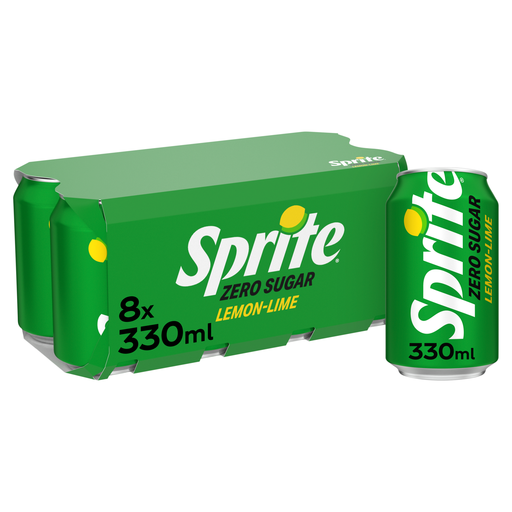
Sprite No Sugar, eight 330 ml cans

Sprite No Sugar 8 × 330 ml

The eight individual cans offer fixed servings where a lemon-lime drink suits the breakfast menu. The product information lists 0 g sugars per 100 ml and includes aspartame, acesulfame K and sucralose. Check the received pack’s exact claim and phenylalanine warning, and keep its ingredient information available to staff.

View on Joybuy

7UP Zero, twenty-four 330 ml cans

7UP Zero 24 × 330 ml

The 24 individual cans are another fixed-serving lemon-lime option, rather than traditional lemonade. The product information lists 0 g sugars per 100 ml, aspartame and acesulfame K. Check the received pack’s exact claim and phenylalanine warning, and keep its ingredient information available to staff.

View on Joybuy

Frequently asked questions

Does no added sugar mean lemonade is sugar-free?

No. A no-added-sugar claim concerns added sugars, while legislation.gov.uk sets a separate sugar-free claim condition of no more than 0.5 g sugars per 100 ml. Tesco’s No Added Sugar Cloudy Lemonade lists 0.2 g sugars per 100 ml, so use its actual pack wording rather than changing the claim on a buffet sign.

Should a self-serve breakfast buffet use bottles or cans?

A 2-litre no-added-sugar cloudy lemonade suits pouring by the glass when staff can chill, replenish and identify opened bottles. Choose 330 ml cans when fixed portions and keeping pack information with each serving better fit the service. Confirm the intended supplier’s pack format and delivery arrangements before ordering.

How should an opened lemonade bottle be handled?

Follow the storage instructions on the received bottle and the hotel’s own food-safety controls. The checked Tesco, Sainsbury’s and M&S bottle information says to refrigerate after opening and consume within three days; check that the delivered product carries the same instructions.

What allergen information does a UK hotel need for buffet drinks?

Hotels must make allergen information available for prepacked and non-prepacked food and drink, according to Food Standards Agency guidance for England, Northern Ireland and Wales and Food Standards Scotland guidance for Scotland. If you decant lemonade, keep a current record tied to the exact product being served; the checked Tesco and Sainsbury’s cloudy lemonade ingredient information identifies sulphites.

Can Sprite Zero Sugar replace lemonade on the buffet?

Only if a lemon-lime soft drink fits the intended offer: Sprite Zero Sugar is not traditional lemonade. Its product information lists 0 g sugars per 100 ml and an aspartame-related phenylalanine warning, so check the received pack and describe the drink accurately to guests.