
24/7 Customer Support

Free returns

Same-day & Next-day Delivery

Quality Guaranteed

Unlock Your Welcome Offers: FREE Delivery | Up to 80% OFF | Free 30-day JoyPlus trial
Download the APP
Buying hotpot beef slices should be simple: choose thinly cut beef, keep it frozen and cook it briefly in simmering broth. Yet packaging, cut names and storage details can make it difficult to judge whether a product will deliver a tender, flavourful result in a UK home kitchen.
The most common problems are avoidable. Some slices are too thick for quick dipping, lean cuts can become firm when overcooked and packs may provide limited information about origin, storage or cooking time. Use the guide below to compare cuts and select beef that suits your preferred hotpot style.
“Thinly sliced beef” describes the format, not the eating experience. Rib eye and short rib generally contain more visible fat, while flat iron, flank and shank offer a firmer, more substantial bite. Brisket tendon has a distinctive texture that differs from conventional muscle cuts.
Cooking time also varies. Some products recommend 5–10 seconds in simmering broth, whereas short rib may require 10–15 seconds. Overcooking can make slices dry or chewy, particularly when the broth is boiling vigorously.
Fat distribution affects flavour, mouthfeel and how much richness enters the broth. Beef rib eye slices, Wagyu and short rib are suitable when you want a fuller, richer taste. However, a leaner cut may be more practical for a large meal or for diners who prefer a cleaner beef flavour.
According to the product information, the Wagyu slices contain 23g of fat per 100g, while the British Angus rib eye contains 18g. These figures can help you compare packs objectively rather than relying only on phrases such as “rich” or “premium”.
Frozen beef should remain at -18°C or lower. Once defrosted, follow the pack instructions carefully: several products recommend refrigeration and consumption within 48 hours, while some specify 24 hours. Do not refreeze thawed beef.
For delivery and home storage, check that the pack remains properly frozen and that the packaging is intact. If the beef has partially thawed, separate it from ready-to-eat foods and follow current food-safety guidance.
Choose the cut according to the broth and texture you want:
Slices around 1.5mm are designed for fast cooking. Hold them in simmering broth with chopsticks or a strainer until just cooked through. The exact timing depends on the cut, thickness and temperature of the broth.
Avoid adding a large frozen clump to the pot. Separate the slices before cooking where possible, so the broth can contact the meat evenly. This also helps prevent some pieces being overcooked while others remain cold.
For shoppers seeking frozen beef slices UK products, look for clear origin and responsible-person details on the listing or packaging. The featured Celeplate options are described as UK-sourced, with ingredients such as British Angus beef rib eye or beef flank listed as 100% of the product.
A 150g pack is useful for trying a cut or adding variety to a shared meal. For a larger gathering, calculate portions alongside vegetables, tofu, noodles, mushrooms and dipping sauces rather than assuming one pack will serve everyone.
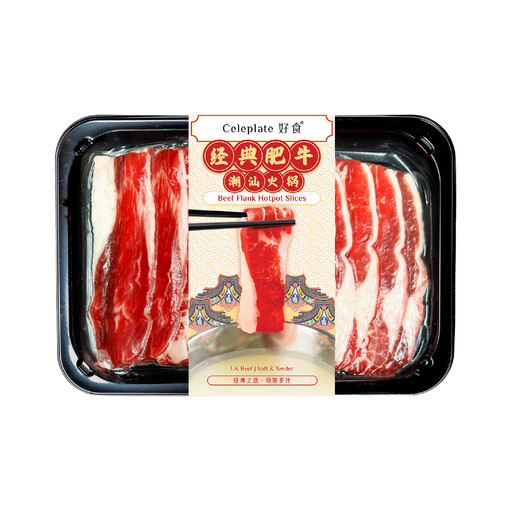
Why This Fits Their Persona: A practical starting point for home cooks who want a versatile UK-sourced cut for hotpot, stir-fries, noodle soups and rice bowls.
The cut details and cooking guidance make it easier to match expectations with the actual texture, rather than assuming all thin beef has the same level of tenderness.
British Angus flank; 150g pack; suitable for sukiyaki, shabu shabu and spicy Sichuan-style broth.
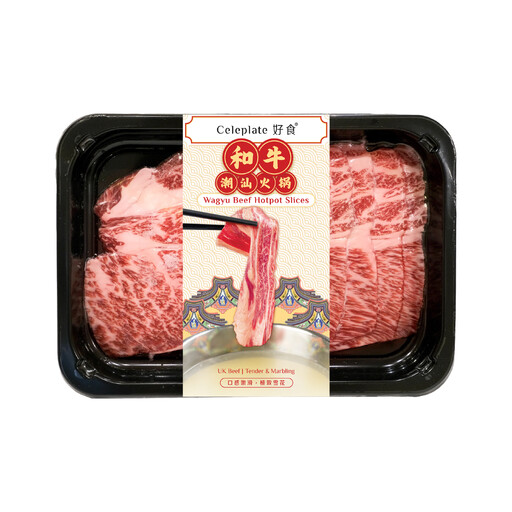
Why This Fits Their Persona: Designed for diners who prioritise visible marbling and a richer mouthfeel for a special shabu shabu or sukiyaki meal.
The listing specifies approximately 1.5mm slices, UK origin and a 5–10-second dipping recommendation, giving clear information beyond general luxury wording.
UK Wagyu; approximately 1.5mm thickness; 23g fat per 100g according to the listed nutrition information.
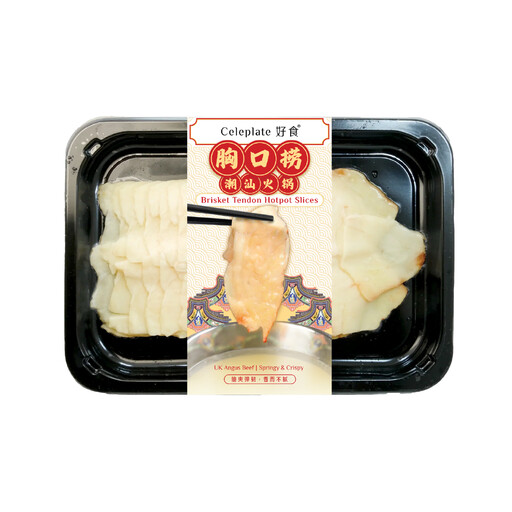
Why This Fits Their Persona: Suitable for adventurous hotpot diners who want a distinctive texture alongside conventional beef cuts, particularly in spicy or savoury broths.
The product gives a shorter 5–8-second cooking guide, helping users avoid the common mistake of boiling speciality slices for too long.
Thinly sliced brisket tendon; suitable for sukiyaki, shabu shabu and spicy Sichuan-style broth.
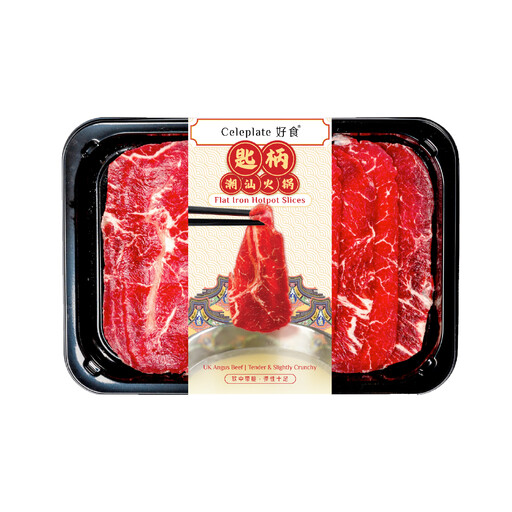
Why This Fits Their Persona: A useful option for shoppers who prefer a leaner cut with a noticeable tendon line and a more structured bite.
The listed cut, approximate thickness and storage instructions make the product easier to assess than an unspecified pack of thinly sliced beef.
Sourced from grass-fed cattle in Kent according to the listing; approximately 1.5mm slices with minimal fat.
We have compiled a complete, real-time list of products that fully satisfy these strict selection criteria and UK safety regulations.
The same slices can be used for stir-fries, noodle soups, gyudon-style rice bowls and Korean-inspired dishes. Add beef towards the end of cooking in soups so it does not remain in the heat longer than necessary.
Thinly sliced rib eye, Wagyu, flank, ox tongue and short rib can all be used for shabu shabu beef. Rib eye and Wagyu provide more marbling, while flank and flat iron offer a firmer texture. Follow the product’s cooking guidance and ensure the beef is cooked through.
Yes. Sukiyaki beef is commonly cooked with a sweet-savoury sauce, onions and vegetables. Thin slices can also be stir-fried quickly, although cuts with more fat may release additional oil into the pan.
This depends on the product. Several listed packs advise storing thawed beef in the refrigerator and consuming it within 48 hours; the short rib and flat iron listings specify 24 hours. Check the packaging, keep the meat covered at the bottom of the refrigerator and never refreeze it after thawing.