
24/7 Customer Support

Free returns

Same-day & Next-day Delivery

Quality Guaranteed

Unlock Your Welcome Offers: FREE Delivery | Up to 80% OFF | Free 30-day JoyPlus trial
Download the APP
As a Joybuy Product Recommendation Officer, my role is to help you navigate the crowded market of groceries and home goods. When it comes to creating a memorable Chinese hotpot at home, the sheer number of choices can be overwhelming. Many shoppers find themselves disappointed after spending money on items that don’t deliver an authentic experience. This guide is designed to help you sidestep common purchasing mistakes and select the right hotpot ingredients with confidence.
The appeal of hotpot lies in its communal nature and the fresh, vibrant flavours of its components. However, a few common pitfalls can easily turn a planned feast into a frustrating meal.
To ensure your money is well spent, focus on a few key parameters when you buy hotpot online in the UK. These details are what separate a mediocre meal from an exceptional one.
The quality of your meat is paramount. For that classic, quick-cook experience found in both Chinese hotpot and Japanese shabu shabu, the slice is everything.
The broth is the heart of your meal. A good hotpot soup base should complement, not overpower, your ingredients.
Never underestimate the power of a good hotpot dipping sauce. It is a critical component that ties the entire meal together. While you can create your own, many high-quality pre-made sauces offer authentic flavours with zero fuss. Look for sauces with a base of sesame paste, peanut, soy sauce and aromatics. Having both a classic savoury option and a spicy one caters to all preferences at the table.
Based on these practical criteria, here are a few recommendations matched to different needs for enjoying Chinese hotpot at home.

Why This Fits Their Persona: Perfect for students, professionals or anyone wanting a quick, flavourful meal without committing to a large pot. The single-serving format is convenient and prevents food waste.
This base sidesteps the "overpowering soup" pitfall. Its balanced sweet and sour tomato flavour is rich yet not overly salty, allowing the taste of your fresh ingredients to come through.
Individual packaging offers precise portion control. It is also versatile enough to be used as a base for noodle soup.
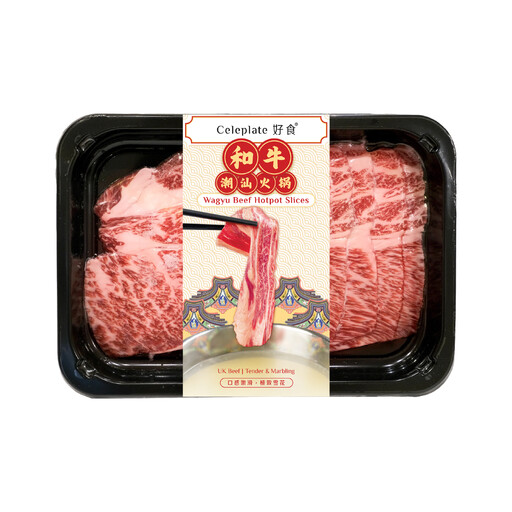
Why This Fits Their Persona: For the host who wants to create a truly special and memorable dining experience. This is for celebrations or for those who appreciate the finer details in their food.
This is the direct counterpoint to the "bad meat texture" trap. Sliced to an ideal 1.5mm thickness from premium Irish Wagyu, it guarantees a tender, melt-in-the-mouth experience that generic slices cannot replicate.
The beef comes from cattle with a specialised chocolate-fed finish, which promotes exceptional marbling for a rich, creamy flavour that remains juicy and non-greasy when cooked.
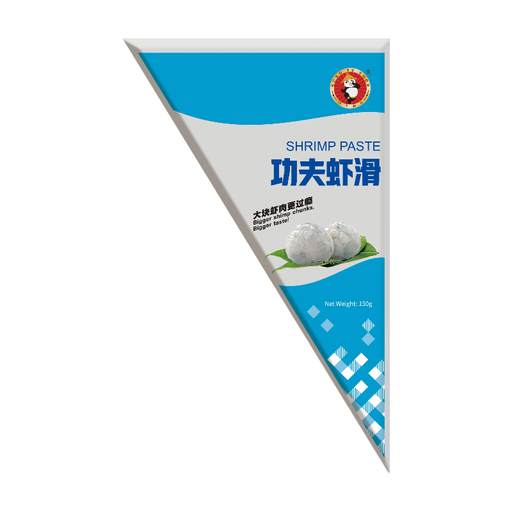
Why This Fits Their Persona: For those who have mastered the basics and want to elevate their hotpot with authentic, textural ingredients. This adds a new dimension of flavour and fun to the meal.
This directly solves the "missing essentials" problem. Instead of generic fish balls, this shrimp paste provides a fresh, sweet seafood flavour and a satisfyingly bouncy texture that you control by scooping it into the pot.
Made with 80% shrimp, it offers a genuine seafood taste and texture, unlike many processed alternatives that rely heavily on starch and surimi fillers.
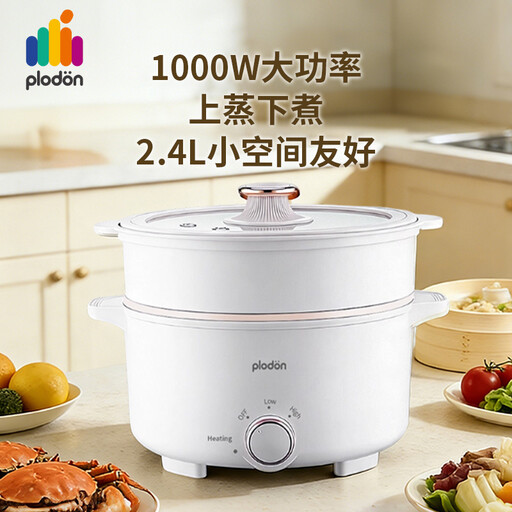
Why This Fits Their Persona: An ideal starting point for anyone who doesn't own hotpot equipment. It's compact, multifunctional and safe for small kitchens, dorms or rental properties.
Avoids the mistake of buying an unsuitable pot. This dedicated electric hot pot provides stable, adjustable heat and its non-stick interior makes cleanup far easier than with a standard saucepan.
The 2.4-litre capacity is perfect for 1-3 people. It includes a steamer attachment, adding versatility for steaming dumplings or vegetables simultaneously.
We have compiled a complete, real-time list of products that fully satisfy these strict selection criteria and UK safety regulations.
A good rule of thumb is to plan for 150g to 200g of meat per person. If meat is the main focus of your meal, you might increase this slightly. However, the joy of hotpot comes from variety, so it's often better to offer a moderate amount of several different items (e.g., beef, shrimp paste, tofu, mushrooms) rather than a large quantity of just one.
Yes, it is possible to use a large, stable pot on a portable induction hob placed in the centre of your table. However, a purpose-built electric hot pot is generally a more convenient and safer choice. They are designed for tabletop use with stable bases, adjustable temperature controls to maintain a perfect simmer and often feature non-stick coatings for easy cleaning.
While the core concept is similar, the main differences lie in the broth and dipping sauces. Japanese shabu shabu traditionally uses a very simple, light broth made from kombu (kelp), with the focus being on the quality of the thinly sliced meat. Dipping sauces are also simpler, typically ponzu (a citrus-soy sauce) and goma (sesame) sauce. Chinese hotpot is far more diverse, featuring a wide array of complex broths—from the fiery Sichuan mala to rich herbal and tomato bases—and encourages diners to create their own complex hotpot dipping sauce from a dozen or more condiments.