
24/7 Customer Support

Free returns

Same-day & Next-day Delivery

Quality Guaranteed

Unlock Your Welcome Offers: FREE Delivery | Up to 80% OFF | Free 30-day JoyPlus trial
Download the APP
Buying household appliances can look straightforward until a product arrives and proves too large, costly to run, awkward to clean or unsuitable for everyday use. Marketing often focuses on power, capacity and attractive finishes, while the details that affect long-term satisfaction are easier to miss.
For UK households, the right choice depends on available space, electrical requirements, cooking habits and how often the appliance will be used. This guide highlights common buying traps, explains the specifications worth checking and matches selected products to different household needs.
A large capacity is useful only if the appliance fits through the front door, into the intended room and beneath surrounding cupboards. An American fridge freezer may offer substantial food storage, but its width, door swing and ventilation clearance need checking before purchase. Smaller appliances also need practical storage space when not in use.
Measure the installation area, access route and nearby sockets. For freestanding appliances, leave the clearance stated in the manual so heat and air can circulate correctly.
A higher wattage can mean faster heating, but it may also increase electricity use. A 2300W deep fat fryer, for example, heats oil quickly but should be used only when its capacity and cooking frequency justify the running cost. For slow cooking, temperature control and vessel capacity may matter more than wattage.
Look for a clear explanation of how power supports the appliance’s intended use rather than assuming the largest figure is automatically preferable.
Removable components, automatic shut-off and cool-touch surfaces can have more everyday value than decorative features. Check whether baskets, inner pots, water tanks or shelves are easy to remove and clean. UK buyers should also follow the supplied instructions and look for relevant markings such as UKCA, where listed by the manufacturer.
Never ignore safety limitations. Hot oil must cool fully before handling, heating bases should not be submerged and refrigeration appliances need proper ventilation.
Match capacity to the number of people and the way your household shops:
Adjustable settings provide more control over different tasks. A deep fat fryer should have a clearly adjustable thermostat, while a slow cooker benefits from low, high and keep-warm settings. Hot water dispensers with several temperature choices can reduce the need to boil a full kettle for every drink.
For dehumidifiers, check the operating temperature range, timer settings, auto shut-off and defrost function. These features help determine whether the unit is suitable for a cool bathroom, bedroom or utility room.
Electricity use depends on wattage, duration and local tariffs. Compare the appliance’s rated power with realistic usage rather than relying on broad “energy-saving” language. A fridge freezer’s energy label, insulation and door-opening habits will affect its ongoing cost.
Maintenance also matters. Removable tanks and dishwasher-safe baskets can reduce cleaning effort, while no-frost refrigeration avoids manual defrosting. For vegetable oil, store the bottle in a cool, dry place away from direct sunlight and never pour hot oil back into a plastic container.
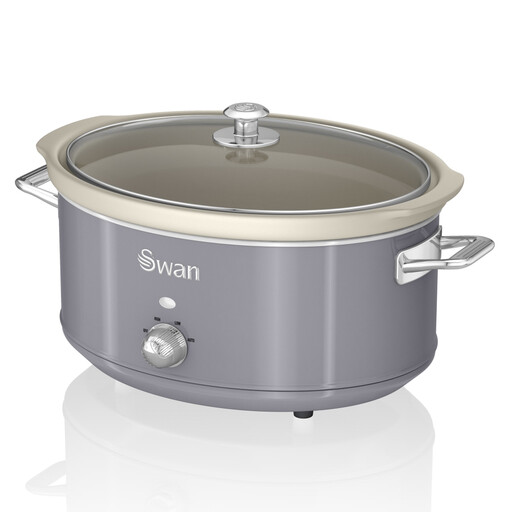
Why This Fits Their Persona: Its large capacity and simple dial controls suit households starting to batch cook, prepare stews or reduce daily meal preparation.
The three heat settings and keep-warm function provide practical control without relying on complex programmes.
6.5-litre removable ceramic pot, low/high/auto settings and a glass lid.
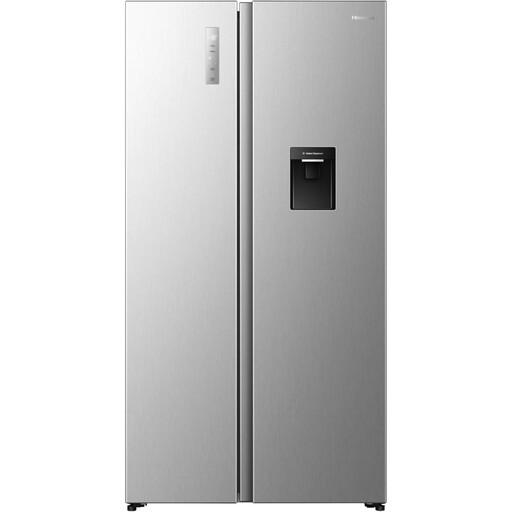
Why This Fits Their Persona: It suits homeowners and larger families who need organised storage for substantial weekly shops.
The stated 91.1cm width and 541-litre capacity make space planning clearer before purchase.
Total No Frost, non-plumbed water dispenser, 344-litre fridge and 197-litre freezer compartments.
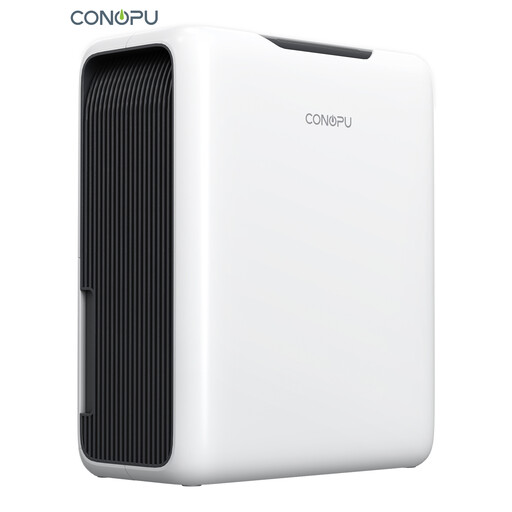
Why This Fits Their Persona: It is designed for damp bedrooms, bathrooms and living spaces up to 20㎡ where portability and frequent operation are important.
Its 3-litre tank, full-tank shut-off, timer and automatic defrost address frequent emptying and cooler-room operation.
Specified noise level of approximately 30dB, hidden handle, LED display and 6, 12 and 24-hour timer options.
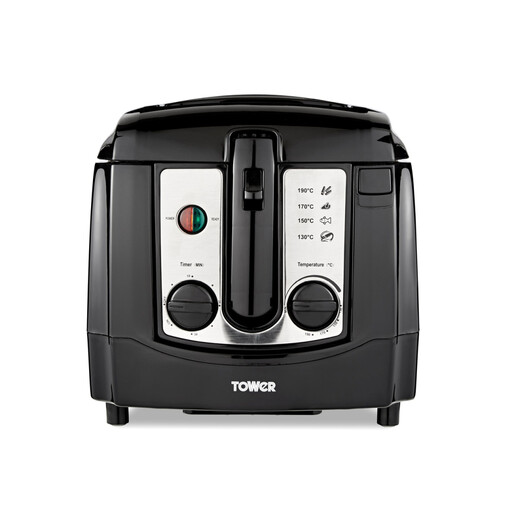
Why This Fits Their Persona: It is suited to households that regularly prepare chips, fish, chicken or other fried foods in family-sized batches.
The adjustable thermostat gives temperature control, while the lid lock, cool-touch exterior and magnetic plug address handling risks.
3-litre oil capacity, 2300W heating element, viewing window and removable non-stick basket.
Other useful kitchen appliances include the Bear 3L Hot Water Dispenser, which offers six temperature settings and five volume levels, and the BUYDEEM 2.9L Enameled Cast Iron Dutch Oven, compatible with gas, induction, electric, halogen, ceramic hobs and ovens. For bathroom essentials, the 3-litre Brabantia NewIcon Pedal Bin has a soft-closing lid and removable inner bucket.
We have compiled a complete, real-time list of products that fully satisfy these strict selection criteria and UK safety regulations.
Measure the appliance, access route and socket position. Check ventilation space, floor strength and whether plumbing is required. For large fridges, confirm that doors and drawers can open fully without hitting walls or units.
Not necessarily, but wattage indicates the maximum electrical power used while operating. Multiply the appliance’s kilowatt rating by its running time and your electricity tariff to estimate usage. Thermostatic appliances may cycle rather than operate continuously.
Lifespan varies according to build quality, usage, cleaning and maintenance. Follow the manual, avoid overloading, keep vents clear and replace damaged cables or components promptly. Check the manufacturer’s warranty and keep purchase records for future support.