
24/7 Customer Support

Free returns

Same-day & Next-day Delivery

Quality Guaranteed

Unlock Your Welcome Offers: FREE Delivery | Up to 80% OFF | Free 30-day JoyPlus trial
Download the APP
Keeping a home clean and hygienic can feel like a constant battle against dirt, germs and stubborn stains. From the kitchen worktops to the bathroom tiles, ensuring surfaces are properly disinfected is a priority for many households. With so many cleaning products on the shelf, choosing the right household bleach can be confusing.
This guide is designed to help you understand the different types of bleach available and how to select the most suitable option for your cleaning tasks. As a Joybuy Product Recommendation Officer, my role is to provide clear, practical information to help you make an informed choice for your home.
Before you buy, considering a few key factors can ensure you get a product that performs effectively and safely.
The effectiveness of a bleach cleaner often comes down to its formulation. Different types are designed for specific jobs:
The primary active ingredient determines how a bleach works. Most traditional disinfectant bleach products use sodium hypochlorite, a chlorine-based agent known for its power to kill 99.9% of germs, bacteria and viruses.
Alternatively, some products, particularly those designed for laundry or for users with sensitivities, use oxygen-based bleaching agents like sodium percarbonate. These are often fragrance-free, gentler on fabrics and can be a suitable choice for those looking for chlorine-free options.
Bleach is a powerful chemical that requires careful handling. Always read and follow the instructions on the product label. It is advisable to wear protective gloves and ensure good ventilation during use. Crucially, never mix bleach with other cleaning products, especially those containing ammonia, as this can create hazardous gases. Store all bleach products securely and out of the reach of children and pets.
Here are our recommendations, selected to cover a range of common household cleaning needs, from deep disinfection to laundry care.

Why It Stands Out: This product’s thick formula is engineered to cling to surfaces, even below the waterline in a toilet bowl. It contains sodium hypochlorite for disinfection and includes anti-limescale active molecules to help prevent buildup. According to the manufacturer, it eliminates 99.99% of bacteria and viruses.
Pros:
Who is it for: Households looking for a powerful toilet bleach that also serves as a versatile, concentrated disinfectant for various surfaces around the home.
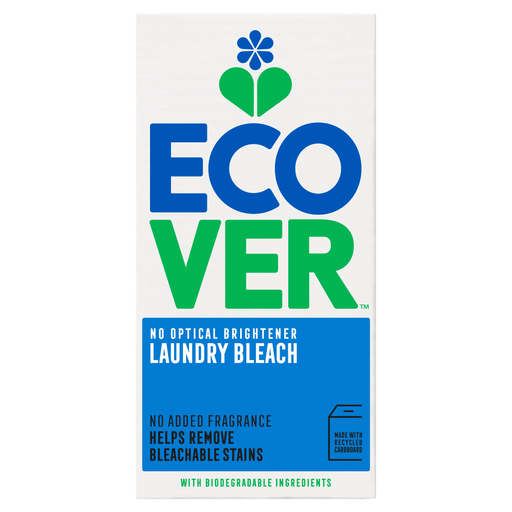
Why It Stands Out: This laundry bleach uses an oxygen-based bleaching agent instead of chlorine, making it a gentler option for fabrics. It is designed to tackle bleachable stains like tea and tomato on both whites and colourfast items. The formula is fragrance-free and made with biodegradable ingredients.
Pros:
Who is it for: Individuals seeking a chlorine-free laundry bleach to remove stains, particularly those with sensitive skin or a preference for products with plant-based, biodegradable ingredients.

Why It Stands Out: This product offers the cleaning power of bleach in a convenient, ready-to-use spray bottle. It is designed for tackling dirt, grease and germs on a variety of hard surfaces in the kitchen and bathroom, leaving them hygienically clean.
Pros:
Who is it for: Those who need a quick and easy bleach cleaner for daily cleaning tasks on worktops, sinks, tiles and other hard surfaces throughout the home.
While these selections cover common cleaning needs, you may be looking for a different formulation or a product for a more specific purpose. If you'd like to see more, you can explore our full range of cleaning solutions.
Browse our complete collection of disinfecting bleach products to find the right match for your home.
1. What is the difference between thick bleach and thin bleach? The main difference is viscosity. Thick bleach is formulated to be denser, allowing it to cling to vertical surfaces like the inside of a toilet bowl for more effective, targeted cleaning. Thin or standard bleach is more liquid and disperses quickly, making it suitable for soaking or for diluting in a larger volume of water for surface cleaning.
2. Can I use household bleach on clothes? It depends on the type of bleach. A standard household bleach containing sodium hypochlorite is generally only safe for use on white cotton or linen fabrics and can damage or discolour wool, silk and many synthetic materials. For coloured fabrics or more delicate items, it is better to use a dedicated laundry bleach, often an oxygen-based product and always check the garment's care label first.
3. How do I use bleach safely at home? Always follow the directions on the label. Wear rubber gloves to protect your skin and consider eye protection. Ensure the room is well-ventilated by opening windows or using a fan. Never mix bleach with other cleaners, particularly ammonia or acid-based products, as this can release toxic gas. After cleaning food-contact surfaces with a bleach solution, rinse them thoroughly with water.