
24/7 全天候客户支持

免费退货

当日/次日达

品质保障

开启新人专享福利: 全场免邮 | 低至 2 折 | 免费试用 30 天 JoyPlus 会员
下载 Joybuy
Household cleaning gloves can make washing-up, bathroom cleaning and general chores more comfortable, but the wrong pair may split, slip or leave your hands damp after only a few uses. Marketing language can also make ordinary features sound more protective than they are.
Before buying household cleaning gloves, look beyond colour and price. Check the material, cuff design, lining, grip, sizing and the tasks the gloves are actually intended for. A pair designed for dishwashing is not automatically suitable for strong chemicals, gardening or handling hot cookware.
Rubber cleaning gloves and PVC household gloves can help create a barrier against water, detergents and some everyday cleaning products. However, this does not mean they are suitable for concentrated bleach, solvents, acids or industrial chemicals.
Always read the product warning and the cleaning product label. For stronger substances, check whether the gloves have a relevant chemical-protection standard, such as EN ISO 374, and whether the material is suitable for the specific chemical and contact time. Ordinary reusable washing-up gloves should not be treated as industrial PPE.
Extra-thick gloves can offer more resistance to everyday wear, but excessive bulk may make it harder to grip glassware, turn taps or handle small items. Conversely, very thin gloves may feel flexible but can be more vulnerable to punctures and tearing.
For regular household chores, look for a practical balance between thickness, flexibility and grip. A textured palm and fingers are particularly useful when handling wet plates, soap bottles or slippery bathroom surfaces.
A loose cuff can allow water and cleaning solution to run down your wrist. A narrow cuff may be difficult to pull over clothing or may roll down during use. The interior also matters: unlined gloves may feel clammy, while cotton-lined cleaning gloves can be more comfortable during longer cleaning sessions.
After use, gloves should be rinsed and dried thoroughly. Storing damp gloves inside a cupboard can encourage unpleasant odours and may shorten the useful life of the material.
Natural rubber offers flexibility and a familiar feel, but it may not be suitable for people with a latex allergy. Nitrile is often selected for its resistance to abrasion and punctures, although performance varies by product and chemical. PVC household gloves can provide water resistance and a thicker feel for everyday washing-up and cleaning.
For gardening, nitrile gardening gloves with a coated palm can help with grip and general abrasion resistance. They are not a substitute for specialist thorn, chainsaw or chemical-protection gloves.
A non-slip kitchen glove should have a textured palm or patterned fingers to help hold wet items. Look for cuffs that are rolled, beaded or elasticated, as these details can help the gloves stay in place.
A secure cuff does not make a glove fully waterproof above the wrist. Keep water from entering by choosing a suitable length and avoiding immersion beyond the glove opening.
The correct size should allow your fingers to reach the ends without excessive pressure. A glove that is too large may reduce control, while one that is too tight can split at the fingers or feel uncomfortable.
Check whether the gloves are lined, hand-washable or machine-washable. Many household gloves should simply be rinsed, air-dried and stored away from direct sunlight. Replace any pair showing cracks, holes, stiffness, peeling or other visible damage.
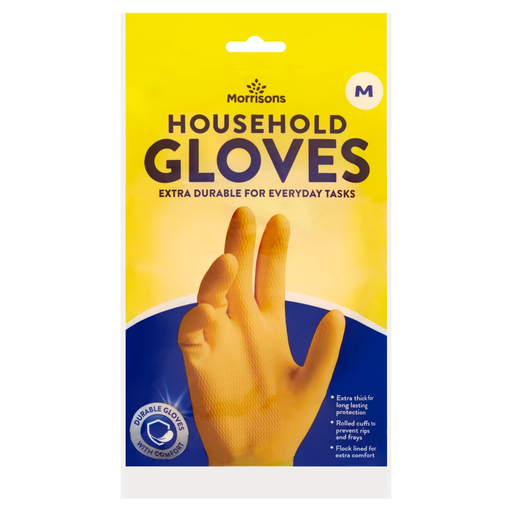
Why This Fits Their Persona: A practical option for households needing reusable gloves for washing-up, bathroom cleaning and routine chores.
The extra-thick construction and reinforced rolled cuffs address common concerns about early tearing and slipping.
Soft flock lining; textured surfaces for grip; available in Small, Medium and Large.
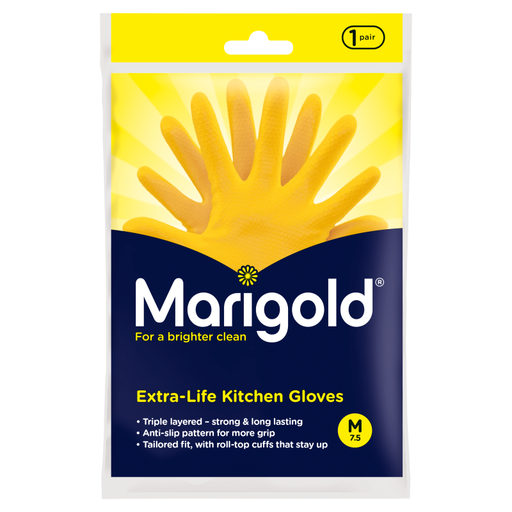
Why This Fits Their Persona: Suitable for regular cleaners who value a lined feel, secure cuffs and a patterned grip.
The roll-top cuffs are designed to stay around the wrist, while the cotton lining helps address clamminess during longer tasks.
Nitrile coating; triple-layer construction; anti-slip pattern and cotton lining.
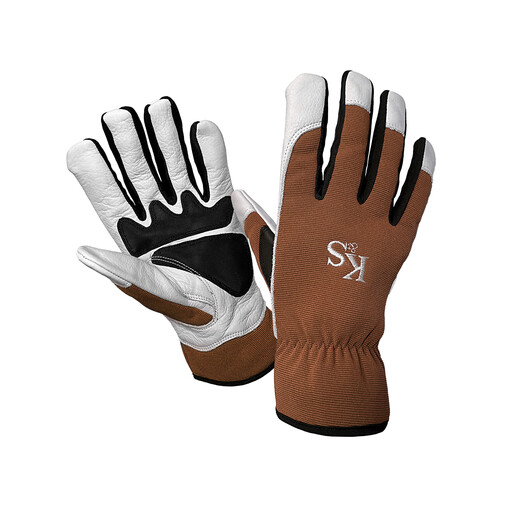
Why This Fits Their Persona: Intended for gardeners handling tools, soil, pots and general outdoor maintenance.
It separates gardening protection from ordinary washing-up gloves, with reinforced palm patches and an elasticated wrist.
Leather palm; breathable spandex back; reinforced PVC palm patches.

Why This Fits Their Persona: A dedicated option for lifting hot cookware from ovens, air fryers, microwaves and steamers.
It avoids using household cleaning gloves for heat protection by providing a separate silicone design intended for hot kitchenware.
Food-grade silicone; waterproof and oil-resistant construction; dishwasher-safe design.
We have compiled a complete, real-time list of products that fully satisfy these strict selection criteria and UK safety regulations.
Lifespan depends on frequency of use, material, cleaning products and storage. Rinsing gloves after each use and allowing them to air-dry can help maintain them. Replace them immediately if you notice holes, cracks, sticky surfaces, peeling or loss of flexibility.
Do not assume they are. Check the glove packaging and the bleach label for compatibility, concentration and recommended contact time. Standard household gloves may be suitable for limited everyday cleaning but are not automatically appropriate for concentrated bleach, solvents or corrosive products.
Cleaning gloves should not be used for food preparation or heat protection unless they are specifically designed and labelled for that purpose. For ovens, air fryers and hot pans, use heat-resistant oven mitts and follow the stated temperature limits. Ensure the mitt interior is dry, as moisture can transfer heat quickly.