
24/7 全天候客户支持

免费退货

当日/次日达

品质保障

开启新人专享福利: 全场免邮 | 低至 2 折 | 免费试用 30 天 JoyPlus 会员
下载 Joybuy
Household cleaning gloves can make washing up, bathroom cleaning, gardening and DIY tasks more comfortable—but the wrong pair may split, slip or leave your hands clammy after only a few uses. Marketing language can also make ordinary features sound more protective than they are.
Before choosing reusable cleaning gloves or disposable latex gloves, look beyond colour and pack size. The important questions are whether the material suits the task, whether the fit allows safe movement and whether the gloves can handle moisture and cleaning products listed on the label.
Heavy-duty cleaning gloves may be thicker and more resistant to everyday wear, but this does not make them suitable for concentrated acids, solvents, bleach mixtures or industrial chemicals. Natural rubber latex, PVC and nitrile each have different resistance profiles.
For domestic work, choose gloves clearly described for household cleaning and follow the product warnings. For stronger substances, check the chemical’s safety information and use certified protective gloves designed for that application.
A small, medium or large label is not completely standard across all manufacturers. Gloves that are too tight can restrict movement and split at the fingers, while loose gloves can reduce grip and allow water into the cuffs.
If possible, compare the manufacturer’s sizing information with your hand measurements. A snug fit around the fingers and palm should still allow you to bend your hand naturally.
A pack of 100 disposable latex gloves can be practical for food handling, cleaning, salons or workplace tasks where gloves need frequent changing. However, single-use gloves should not be washed and repeatedly worn as a substitute for reusable kitchen gloves. Reusing them can compromise hygiene and may damage the material.
Natural rubber latex is flexible and usually offers good finger movement, making it useful for washing-up, light cleaning and tasks requiring dexterity. However, latex may cause allergic reactions in some people.
Latex-free cleaning gloves, often made with synthetic materials such as nitrile or PVC, may be a more suitable option for users avoiding natural rubber latex. Check the product description carefully, as “sensitive skin” does not automatically mean a glove is suitable for every skin condition.
PVC and rubber household gloves are commonly used for washing-up and general chores. Their performance depends on thickness, lining, cuff construction and the cleaning products involved—not simply the word “rubber” on the packaging.
Thicker gloves can provide more resistance to everyday abrasion and punctures, but excessive thickness may reduce dexterity. For dishwashing and bathroom work, look for a balance between barrier coverage and flexibility.
A cotton-lined or flock-lined interior can feel more comfortable during longer cleaning sessions by reducing the clammy sensation of unlined material. It is still important to rinse and dry gloves fully after use, as a damp lining can become unpleasant to wear.
A textured palm or fingertip pattern is useful for handling wet dishes, bottles and cleaning tools. This is particularly relevant when choosing non-slip cleaning gloves for washing-up or bathroom surfaces.
Rolled, beaded or reinforced cuffs can help the gloves stay in place and reduce water running towards the wrist. They do not create a completely watertight seal, so keep the cuffs away from standing water and replace gloves if they become torn.

Why This Fits Their Persona: A 100-glove pack suits households, food handlers and occasional DIY users who need disposable protection readily available for short tasks.
The disposable format makes its intended use clear, avoiding the mistake of treating single-use gloves as reusable washing-up gloves.
Small size, ambidextrous design and 100 gloves per pack. Natural latex offers flexible finger movement, but is unsuitable for users with latex allergies.
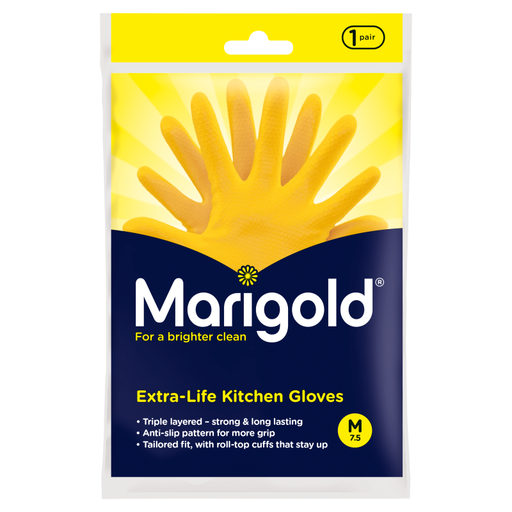
Why This Fits Their Persona: Suitable for regular washing-up and household cleaning where comfort, cuff stability and grip matter over repeated use.
The product details specify a cotton lining, textured grip and beaded roll-top cuffs, helping address clammy interiors, slipping and water ingress.
Triple-layer construction, cotton lining and a nitrile coating are specified. It is intended for regular household cleaning rather than strong corrosive chemicals.
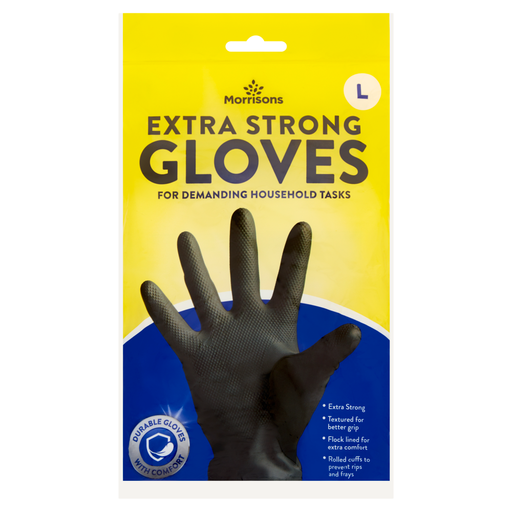
Why This Fits Their Persona: Large-sized gloves are suited to users handling frequent washing-up, bathroom scrubbing, gardening and general home maintenance.
The product information identifies extra-thick latex, a flock-lined interior and a textured grip, rather than relying only on a general “strong” label.
Rolled cuffs, flock lining and a non-slip texture support wet household tasks. Natural latex may not suit users with latex sensitivity.
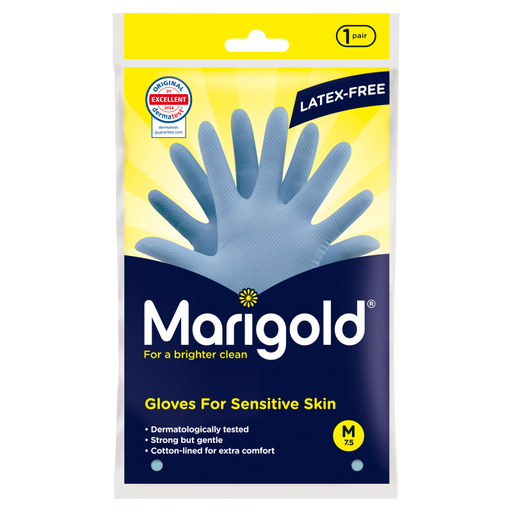
Why This Fits Their Persona: A latex-free design may be worth considering for people who prefer to avoid natural rubber latex during routine domestic cleaning.
The listing identifies the gloves as latex-free, so shoppers do not need to infer the material from vague comfort wording.
Cotton lining, fitted wrists and an anti-slip pattern are listed. Avoid harsh chemicals and stop using the gloves if irritation occurs.
We have compiled a complete, real-time list of products that fully satisfy these strict selection criteria and UK safety regulations.
There is no universal lifespan. Replace them when the material becomes thin, sticky, cracked or punctured, or when the cuffs no longer stay in position. Frequent users may need replacements sooner than people who only wash up occasionally.
They can be suitable for routine washing-up if the product is labelled for household use and fits correctly. Natural rubber latex may cause allergic reactions, so latex-free cleaning gloves are a more appropriate option for users avoiding latex.
Only use them with products and concentrations permitted by the glove manufacturer. Do not assume that thick rubber household gloves are suitable for concentrated bleach, solvents or corrosive cleaners. Check the glove instructions and cleaning product safety information before use.