
24/7 Customer Support

Free returns

Same-day & Next-day Delivery

Quality Guaranteed

Unlock Your Welcome Offers: FREE Delivery | Up to 80% OFF | Free 30-day JoyPlus trial
Download the APP
Choosing household cleaning products can seem straightforward until a supposedly versatile spray leaves streaks, damages a surface or fails to shift a set-in stain. UK homes also have different needs: hard-water limescale, muddy pets, busy family kitchens, rented properties and delicate flooring all call for slightly different solutions.
The right product is not necessarily the one with the loudest claim on the label. It should match the surface, the type of dirt and the amount of time you can leave it working.
A multi-purpose cleaner may work well on washable worktops, tiles and sealed hard surfaces, but that does not make it suitable for untreated wood, marble, aluminium or polished finishes. Acidic products such as vinegar cleaning spray can help with limescale and water marks, but may damage acid-sensitive stone and some finished surfaces.
Always check:
A general cleaner removes dirt, grease and residue. A disinfectant cleaner is designed for a separate purpose and usually requires a stated contact time. Wiping it away immediately may reduce the intended effect.
For food preparation areas, follow the label carefully. Some products described as food-contact safe still require rinsing with drinkable water after use. Never mix disinfectants with bleach, vinegar or other cleaning chemicals.
A large bottle is not automatically economical if the product needs frequent reapplication or is ready-to-use when a concentrated formula would cover more cleaning sessions. Similarly, a fresh fragrance does not indicate how well a product handles grease, limescale or stains.
Compare the dosage, coverage, dwell time and storage requirements, not just the millilitre figure.
Match the formula to the job:
Spray-and-wipe products are convenient for routine marks, while foaming products may need several minutes to penetrate fabric or bathroom residue. A disinfectant may specify a longer contact period.
Check whether the product should be:
For example, a concentrated professional cleaner may specify separate dilution levels for routine cleaning and disinfection. That can be practical for landlords, cleaning teams and larger households, but less convenient for someone wanting a ready-to-use bottle.
Look for relevant information on surfactants, oxygen-based bleaching agents, acids, fragrance and preservatives. “Natural” does not mean suitable for every material, and a product with a familiar ingredient can still irritate the eyes or skin.
Keep cleaning products away from children and pets, avoid inhaling spray and follow the packaging instructions. Pet owners should keep animals away from recently cleaned areas until surfaces are dry.
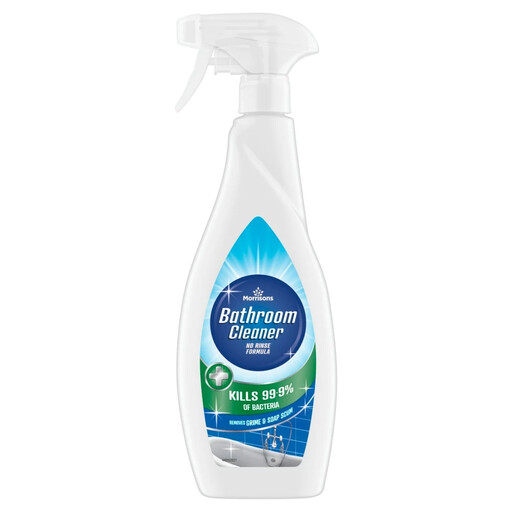
Why This Fits Their Persona: A straightforward spray format suits first-time renters, students and households building a basic cleaning cupboard for sinks, tiles and baths.
It is presented for bathroom use rather than as an unsuitable all-surface solution. The label advises testing an inconspicuous area first.
Spray application; intended to tackle soap scum and limescale on sinks, tiles and baths.
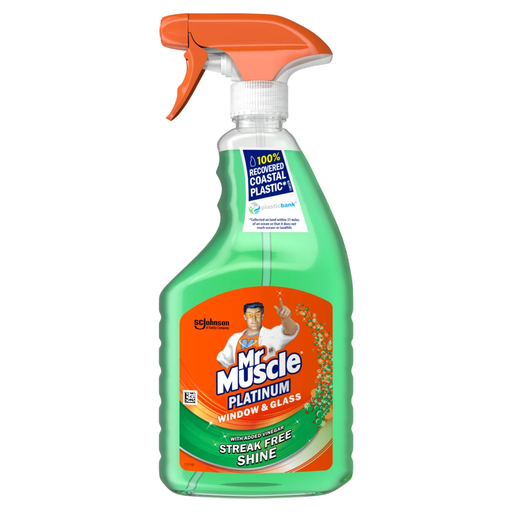
Why This Fits Their Persona: Suitable for households that regularly clean windows, mirrors, tiles and chrome and want a dedicated glass-care formula.
Its stated use is focused on glass, mirrors, tiles and chrome, reducing the risk of treating incompatible materials as universal surfaces.
Vinegar-fortified formula; instructions specify wiping with kitchen paper or a soft, dry cloth for a streak-free finish.
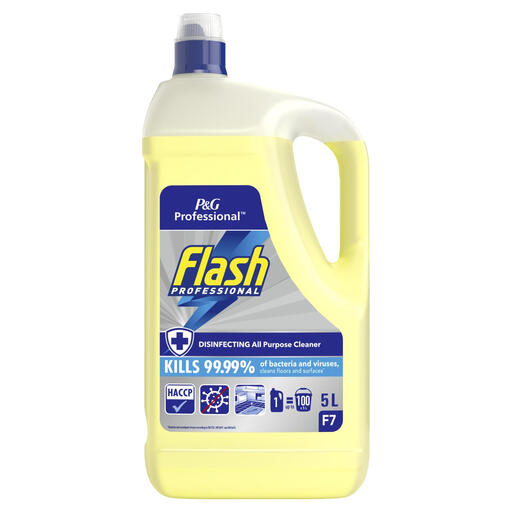
Why This Fits Their Persona: The 5-litre format and dilution guidance are suited to professional cleaners, landlords, workplaces and larger UK households.
It separates cleaning and disinfecting doses: the product information specifies 50ml for cleaning or 150ml for disinfection in 5 litres of water.
Suitable for washable hard surfaces and floors; can be used in auto-scrubbers and at low water temperatures.
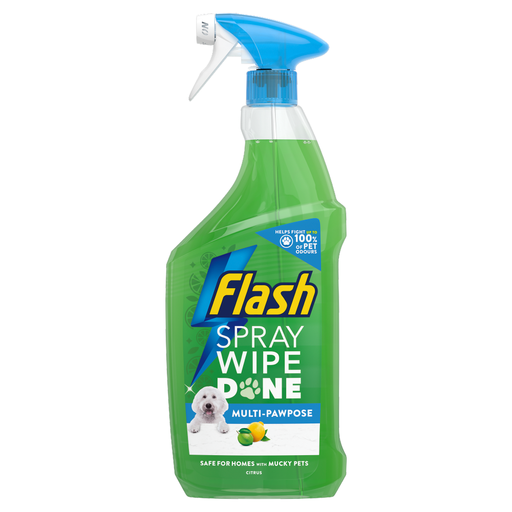
Why This Fits Their Persona: A ready-to-use option for homes dealing with everyday pet messes, grease and odours where quick wipe-downs are part of the routine.
It provides clear limits: use on washable surfaces, avoid untreated or oiled wood and keep pets away from cleaned areas until dry.
800ml ready-to-use spray; designed for grease, pet odours and everyday messes without a separate dilution step.
We have compiled a complete, real-time list of products that fully satisfy these strict selection criteria and UK safety regulations.
Use the recommended dose rather than adding extra product. Too much cleaner can leave residue, attract dirt or make floors slippery. For spray bottles, applying the product to a cloth can reduce airborne mist and improve control on small areas.
Microfibre cloths should be washed regularly and kept separate by task where practical. Avoid using the same cloth for toilets, kitchen worktops and glass. Store products upright in a cool, dry place and replace damaged caps or nozzles.
A practical starter selection includes a multi-purpose cleaner, bathroom cleaner, glass and window cleaner, floor cleaner and one targeted product such as an oven cleaner or laundry stain remover. Add a disinfectant cleaner when the labelled use and contact time match your requirements.
Vinegar-based products may help loosen limescale, soap scum and hard-water marks on suitable surfaces. Do not use them on marble, limestone, travertine or other acid-sensitive materials. Never mix vinegar products with bleach or chlorine-containing cleaners.
They can cover more applications because they are diluted before use, but the real value depends on the required dosage, pack size and task. Ready-to-use sprays may be more convenient for occasional cleaning, while concentrates can suit frequent use by busy families, landlords and professional cleaners.