
24/7 全天候客户支持

免费退货

当日/次日达

品质保障

开启新人专享福利: 全场免邮 | 低至 2 折 | 免费试用 30 天 JoyPlus 会员
下载 Joybuy
Keeping a home clean and hygienic is a top priority for many of us. Yet, the supermarket aisles are filled with countless household cleaning products, all making bold claims. It's easy to end up with a cupboard full of bottles that don't quite deliver, wasting both time and money. As a Joybuy Product Recommendation Officer, my role is to help you navigate the options and find what truly works for your home.
This guide will highlight the common pitfalls UK shoppers face and break down the essential factors to consider, ensuring you choose the right tool for every cleaning job.
Before you add another bottle to your basket, be aware of these frequent traps that lead to disappointing results and unnecessary spending.
To avoid these pitfalls, focus on what the product is made of and what it's designed to do. Here are the key parameters to check.
The effectiveness of a cleaner comes down to its formulation. Look for these key ingredients to match the product to your problem:
This is a non-negotiable check. Using the wrong product can cause irreversible damage. An acidic limescale remover can etch natural stone like marble or travertine, and a strong bleach solution can corrode certain metals or discolour fabrics. Always read the label for warnings and recommended surfaces. If in doubt, test on a small, inconspicuous area first.
For many, the choice of cleaner goes beyond performance. If you're looking for eco-friendly cleaning products, check for official certifications like Cruelty-Free International (the Leaping Bunny logo) or registration with The Vegan Society. Additionally, consider the fragrance. Products may use synthetic perfumes or natural essential oils, which can make the cleaning experience more pleasant.
Based on these practical considerations, here are a few recommendations tailored to different household needs and priorities.
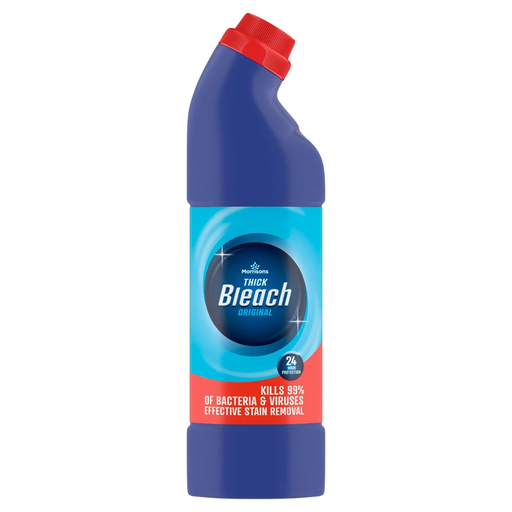
Why This Fits Their Persona: This is a foundational cleaning staple that offers powerful disinfection for toilets, drains and hard surfaces at an affordable price. It's a versatile workhorse for maintaining essential hygiene without a high cost.
It avoids the "all-in-one" illusion by being a specialised, strong disinfectant. You know exactly what it's for—killing germs—and it does that job effectively, rather than being a weak compromise.
Its thick formula clings to surfaces for longer, providing extended germ-killing action. It's effective against a broad spectrum of bacteria and viruses.
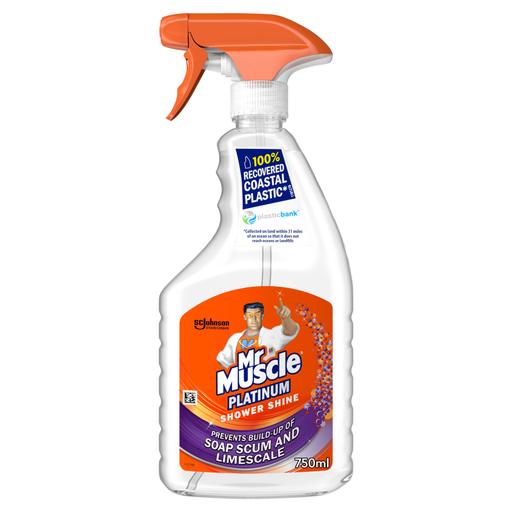
Why This Fits Their Persona: For those short on time, this product is a game-changer. The "spray and walk away" approach to preventing soap scum and limescale build-up fits perfectly into a busy schedule, maintaining a clean shower with minimal effort.
This is a highly specialised maintenance product, not a heavy-duty cleaner. It avoids the trap of using the wrong tool by being designed specifically for daily prevention, saving you from future deep-cleaning sessions.
Its key benefit is convenience: no scrubbing, rinsing or wiping is needed. The bottle is also made from 100% Recovered Coastal Plastic.
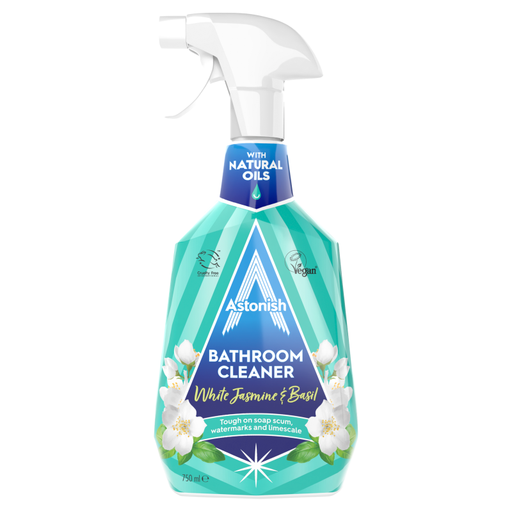
Why This Fits Their Persona: This product aligns with ethical values without compromising on cleaning power. It is certified cruelty-free and suitable for vegans, making it an ideal choice for those who want to clean their home responsibly.
It counters the "weak eco-cleaner" pitfall by being a powerful bathroom cleaner that effectively tackles soap scum, watermarks and limescale. It proves that ethical choices don't have to mean weaker performance.
It is recommended by the VEA for use on vitreous enamel surfaces and is infused with natural oils for a pleasant scent, combining safety, efficacy and a great user experience.
We have compiled a complete, real-time list of products that fully satisfy these strict selection criteria and UK safety regulations.
Here are answers to a few common questions UK residents have about household cleaning products.
While you can use a multi-purpose cleaner for light cleaning in both rooms, it's often not ideal. Kitchen cleaners are formulated to cut through grease and food soils, whereas a good bathroom cleaner is designed to tackle soap scum and limescale. Using a kitchen degreaser on your shower screen won't be as effective as a dedicated product. Always check surface compatibility, as some strong kitchen formulas may not be suitable for delicate bathroom fixtures.
In UK regions with hard water, limescale can build up quickly on taps, shower heads and in toilets. For prevention, a daily shower shine spray can be very effective. For removal, a dedicated limescale remover should be used as soon as you notice white, chalky deposits forming. This could be weekly for high-use areas like toilet bowls and taps, or bi-weekly for shower screens, to prevent the build-up from becoming severe.
The terms are often used interchangeably, but there can be a difference. Antibacterial spray products are formulated to kill bacteria. A disinfectant spray is typically broader, designed to kill a wider range of microorganisms, which can include bacteria, viruses and fungi. For general hygiene, an antibacterial spray is often sufficient. For deep cleaning after an illness or in high-risk areas like toilets, a broad-spectrum disinfectant provides a higher level of protection.