
24/7 Customer Support

Free returns

Same-day & Next-day Delivery

Quality Guaranteed

Unlock Your Welcome Offers: FREE Delivery | Up to 80% OFF | Free 30-day JoyPlus trial
Download the APP
Keeping a home clean and comfortable is a top priority for many of us. Yet, the aisles of household cleaning supplies can be overwhelming. With countless products all promising sparkling results, it's easy to make choices that are either ineffective or, worse, damaging to your home and a drain on your wallet. As a Joybuy Product Recommendation Officer, my role is to help you see past the marketing jargon and select products that genuinely solve your household problems.
Before you add another bottle to your basket, let's look at the common pitfalls that UK shoppers encounter and how to sidestep them.
all purpose cleaner has its place, it often fails at specific, tough jobs like removing limescale in a hard-water area, tackling baked-on grease or disinfecting properly. This leads to you buying a second, specialist product anyway, wasting both money and cupboard space.To ensure you're buying the right tool for the job, focus on these core parameters. They are the non-negotiables for effective and safe cleaning.
Instead of reaching for a generic cleaner, identify your primary challenge.
A common issue with a fabric freshener or shoe deodoriser is that many simply cover up bad smells with a strong perfume. This is a temporary fix. A more effective solution contains ingredients that neutralise the odour-causing bacteria at the source, truly eliminating the smell rather than just masking it. Look for products that describe their function as "odour-neutralising" or "probiotic-led."
Here are a few recommendations from our catalogue, matched to specific household needs and designed to avoid the common pitfalls.
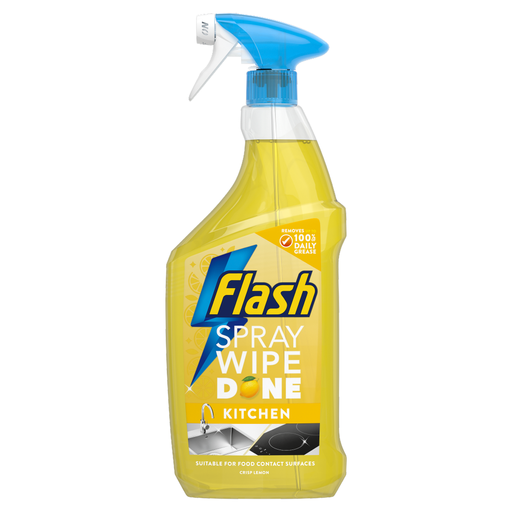
Why This Fits Their Persona: For those with little time to spare, this product streamlines daily cleaning. It's ideal for quick, effective wipe-downs of kitchen counters and other hard surfaces after meals, removing grease and grime without extra steps.
It avoids the surface damage pitfall by clearly stating its limitations (not for untreated wood, aluminium etc.), guiding users to apply it correctly and safely.
Its main benefit is speed. The spray, wipe and done formula requires no scrubbing or rinsing, leaving a streak-free shine that is safe for food contact surfaces.

Why This Fits Their Persona: When faced with a persistent pest problem like fleas, bed bugs or clothes moths, this user needs a direct and powerful solution, not a gentle deterrent. This spray is designed for tackling significant infestations head-on.
It avoids the "ineffective formulation" trap by being a professional-strength product with clear targets. It contains Prallethrin and Cyphenothrin for fast action and long-lasting control.
It is a fast-acting contact killer that also provides residual action for up to 12 weeks, helping to control emerging insect eggs and larvae for more complete eradication.

Why This Fits Their Persona: For those who invest in technical activewear and swimwear, protecting those garments is key. This kit provides a specialist solution to clean delicate synthetic fibres without causing damage and a mist to freshen items between washes.
This directly counters the "one-size-fits-all" laundry myth. Its plant-based, non-bio formula is a specialist laundry wash that avoids the harsh chemicals in standard detergents that can degrade elastane and trap odours.
It is specifically formulated to remove sweat, body oils and chlorine while preserving the integrity and performance of technical fabrics, extending the life of expensive gear.
We have compiled a complete, real-time list of products that fully satisfy these strict selection criteria and UK safety regulations.
1. Is an antibacterial spray necessary for everyday kitchen cleaning? For light, daily wipe-downs of crumbs or minor spills, a standard kitchen spray is generally sufficient. However, using an antibacterial spray is a good practice for surfaces that have been in contact with raw meat, poultry or fish to reduce the risk of cross-contamination. It is also useful for disinfecting high-touch areas like handles and light switches, particularly during cold and flu season.
2. How often should I use a clothes moth killer spray? This depends on the specific product and the extent of the infestation. For an active problem, you should follow the product's instructions for initial treatment, which usually involves spraying inside wardrobes, cupboards and drawers. Many products, like the Zero In Antibacterial Clothes Moth Killer, also offer residual protection. Re-application may be needed seasonally or every few months for prevention. Always read the label for precise guidance.
3. Can I use my regular laundry detergent on activewear? While you can, it is not recommended for the long-term care of your gear. Conventional detergents can leave residues that clog the pores of technical fabrics, trapping odour-causing bacteria and diminishing the fabric's moisture-wicking properties. A specialist laundry wash is formulated to rinse completely clean, remove sweat and oils effectively and preserve the elasticity and performance of your activewear.