
24/7 全天候客户支持

免费退货

当日/次日达

品质保障

开启新人专享福利: 全场免邮 | 低至 2 折 | 免费试用 30 天 JoyPlus 会员
下载 Joybuy
Keeping a home running smoothly means having the right household essentials on hand. From pantry staples to bin bags, these are the unglamorous but vital items that underpin our daily routines. However, navigating the market can be tricky. Misleading labels and poor-quality products can lead to frustration and wasted money. As a Joybuy Product Recommendation Officer, my role is to help you identify practical, reliable items that genuinely meet your needs.
This guide cuts through the clutter, focusing on common purchasing pitfalls and the key details to check before you buy. We will look at how to choose the right products for waste management and keep your pantry well-stocked, ensuring you get value and performance from your everyday purchases.
Many of us have been caught out by a "bargain" that turned out to be anything but. When shopping for everyday items, watch out for these common traps:
eco-friendly household products can mean your well-intentioned purchase contaminates local recycling or composting schemes, defeating the purpose entirely.food freezer bags seems like a good deal, until they split, tear or leak. Using two bags to do the job of one, or dealing with a mess in your bin or freezer, quickly negates any initial savings. Strength and material quality are more important than the number of bags on a roll.To avoid these traps, focus on a few non-negotiable specifications. A moment spent checking the details can save you significant hassle later.
For items like compostable bin liners and degradable refuse sacks, the terminology is critical for correct usage and disposal.
kitchen caddy liners.wheelie bin bags and refuse sacks. They are durable but do not break down in the same way as the options above.Always check the product specifications for two key numbers:
wheelie bin bags.For pantry staples like instant coffee and frozen foods, convenience is often the main appeal. To ensure you are getting a product that works for you, check the ingredients list for things like sugar content and look at the preparation instructions. A "quick" meal that requires multiple steps may not be as convenient as it first appears.
To help you make a confident choice, here are some household essentials that align with different needs and priorities, each selected to avoid the common pitfalls.
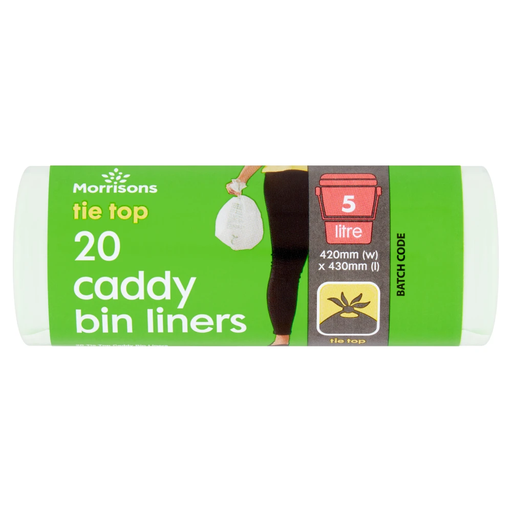
Why This Fits Their Persona: This user wants to correctly separate food waste for council collection. These liners are designed specifically for small kitchen caddies and are fully compostable, aligning with a sustainable lifestyle and local authority requirements.
It directly counters the "eco-friendly" mirage by being clearly labelled as 100% compostable and biodegradable, suitable for food waste schemes. The 5L capacity is specific, avoiding the wrong-size issue for standard caddies.
Simplifies food waste separation for council collections. The tie-top handles make for clean and easy disposal.
Why This Fits Their Persona: This user needs a reliable, no-fuss solution for large volumes of household waste. Strength and capacity are the priorities to prevent messy accidents and ensure the bin stays clean.
This product avoids the "flimsy bag" trap with its strong, durable construction designed to handle heavy loads. The clear 70L capacity and 74x86cm dimensions ensure it fits larger household bins correctly.
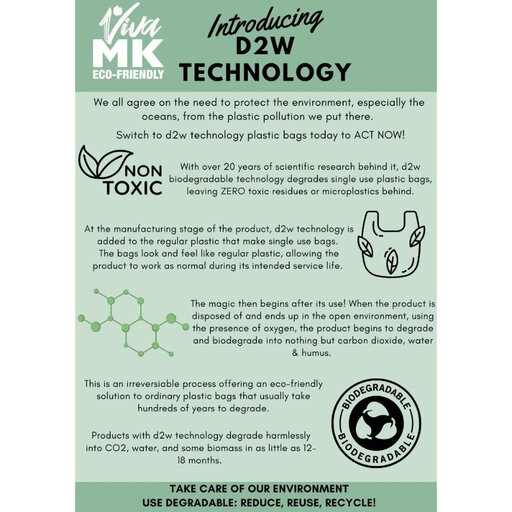
Generous capacity and tear-resistant material provide a reliable solution for managing family waste. The d2w degradable technology is an added environmental consideration.
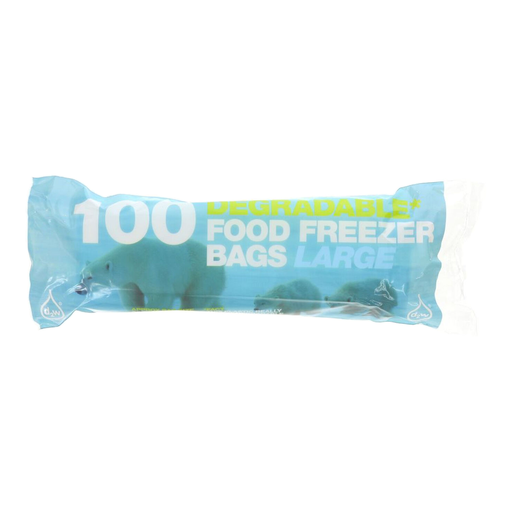
Why This Fits Their Persona: Perfect for someone who buys in bulk or meal preps. These bags need to be large, strong, and reliable to protect food and keep the freezer organised.
It avoids the "flimsy bag" and "wrong size" traps. The material is high-strength and leak-proof for freezer use, while the large 10L capacity is ideal for bulk portions. The secure zipper seal prevents freezer burn.
Features a secure zipper seal and a writable label area, which is excellent for organising meal prep and tracking contents and dates.
We have compiled a complete, real-time list of products that fully satisfy these strict selection criteria and UK safety regulations.
1. What is the real difference between degradable and compostable bin liners? A compostable liner is made from plant-based materials and is designed to break down into natural, non-toxic components in a composting facility. It is suitable for your food waste bin. A degradable liner is a conventional plastic bag with an additive that causes it to break down into smaller plastic pieces. It should only be used for general waste destined for landfill and is not suitable for composting or recycling.
2. How can I make sure I buy the right size bag for my wheelie bin? Check your council's website or the bin itself for its capacity, which is usually stated in litres (e.g., 180L or 240L). When buying wheelie bin bags, choose a liner with a matching or slightly larger litre capacity. Also, check the dimensions (cm) to ensure the bag is wide enough to fold over the rim and long enough to reach the bottom.
3. Are instant coffee pods a cost-effective way to buy coffee? The cost-effectiveness of coffee pods depends on your consumption habits. While the per-cup cost can be higher than buying a large bag of ground coffee, pods offer significant convenience, reduce waste from unused coffee going stale and provide consistent flavour with no effort. For those who drink one or two cups a day and value speed and simplicity, they can be a very practical choice.