
24/7 全天候客户支持

免费退货

当日/次日达

品质保障

开启新人专享福利: 全场免邮 | 低至 2 折 | 免费试用 30 天 JoyPlus 会员
下载 Joybuy
From washing up to deep cleaning the bathroom, a reliable pair of household gloves is a non-negotiable staple in any UK home. Yet, finding a pair that doesn't rip after a week, leave your hands clammy or cause unexpected irritation can feel like a chore in itself. Many of us have been caught out by flimsy materials and clever marketing, only to be left with soggy hands and a wasted fiver.
As the Joybuy Product Recommendation Officer, my role is to help you navigate these common issues. Before you add another pair to your basket, let's look at the three most common pitfalls that lead to disappointment and how to avoid them.
To avoid these traps, you need to look past the packaging and focus on a few core features. Understanding these will help you select the right cleaning gloves for your specific needs, whether for daily chores or specialised tasks.
The material of your glove dictates its durability, flexibility and suitability for different tasks.
A well-designed glove is about more than just the material. Key structural features make all the difference in daily use.
Finally, consider the task at hand.
Instead of a one-size-fits-all approach, we've matched some reliable options to the people who need them most.
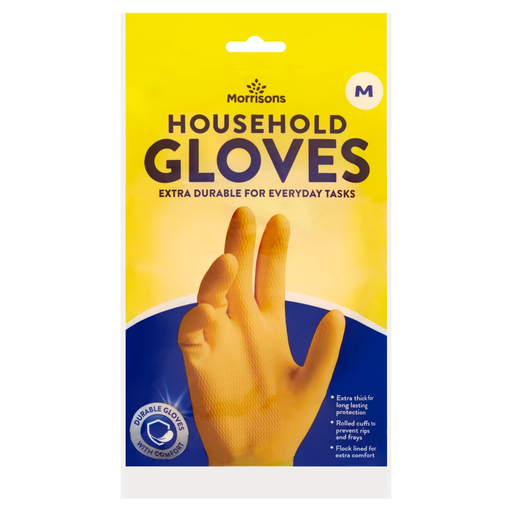
Why This Fits Their Persona: This is a solid, no-nonsense workhorse for the daily grind of washing up. It's designed for frequent use in a busy household, offering a balance of durability and comfort without a premium price tag.
Its extra-thick construction and reinforced rolled cuffs directly combat the "One-Week Wonder" problem by resisting tears. The soft flock lining prevents the uncomfortable "sweat trap" effect.
Features a textured grip for handling wet items securely. The flock lining provides breathability and comfort for longer cleaning sessions.
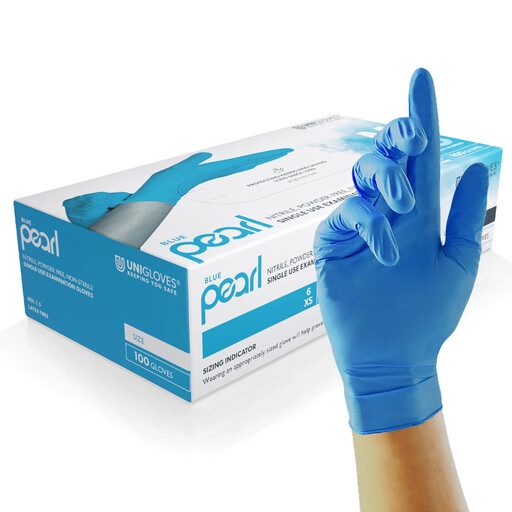
Why This Fits Their Persona: Perfect for those who need a fresh pair for food prep, handling raw meat or any task where cross-contamination is a concern. The bulk pack ensures there's always a clean glove ready.
As they are made from nitrile, these gloves completely avoid the latex allergy trap. Being powder-free also prevents skin from drying out, a common complaint with some disposable options.
These are food-safe, chemical-resistant and offer a snug fit for good dexterity. They are also touchscreen compatible, a convenient feature in a modern kitchen.
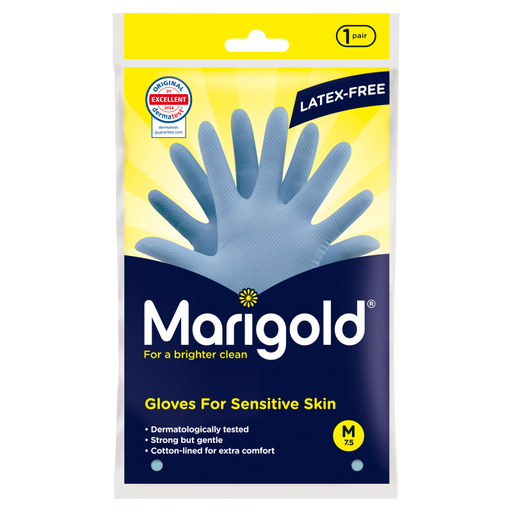
Why This Fits Their Persona: Specifically created for those whose hands react poorly to detergents and latex. This glove provides a reliable barrier without compromising on comfort or durability for everyday cleaning.
These gloves are latex-free and dermatologically tested, directly addressing the allergy risk. The soft cotton lining provides a comfortable barrier, preventing the clammy feeling of unlined gloves.
They offer a tailored, fitted wrist design to keep water out and an anti-slip pattern for secure handling. They balance strength with a soft, supple feel.
We have compiled a complete, real-time list of products that fully satisfy these strict selection criteria and UK safety regulations.
1. How can I stop my washing up gloves from smelling? The key is proper drying. After each use, rinse the gloves inside and out with clean water to remove any detergent or food residue. Then, hang them up to air dry completely, ensuring air can circulate inside. Avoid leaving them in a damp pile under the sink, as this encourages bacteria and odours.
2. Are nitrile gloves a better choice than latex for cleaning? It depends on the task. For general washing up with standard washing-up liquid, traditional latex gloves are often more flexible and provide a better sense of touch. However, if you are using stronger cleaning chemicals, have a known latex allergy or have sensitive skin, nitrile gloves are a superior choice due to their higher chemical resistance and hypoallergenic properties.
3. Can I reuse disposable gloves? It is strongly advised not to. Disposable gloves are designed for single use to maintain hygiene and prevent the spread of germs, especially when handling food or cleaning contaminated surfaces. Reusing them defeats their primary purpose and can lead to cross-contamination. Always dispose of them responsibly after one use.