
24/7 全天候客户支持

免费退货

当日/次日达

品质保障

开启新人专享福利: 全场免邮 | 低至 2 折 | 免费试用 30 天 JoyPlus 会员
下载 Joybuy
From washing up after a Sunday roast to tackling deep cleaning tasks, a reliable pair of household gloves is a non-negotiable staple in any UK home. Yet, finding a pair that doesn't rip after a week, let water in, or cause skin irritation can feel like a chore in itself. Many of us have been let down by gloves that promise durability but fail at the first sign of a tough job.
As a Joybuy Product Recommendation Officer, my role is to help you navigate the market and identify products that deliver on their practical promises. Before you make your next purchase, let's look at the common pitfalls that lead to buyer's regret and how to avoid them.
To ensure you get a pair of household gloves that truly protects your hands and offers good value, focus on these three core parameters.
The material of your cleaning gloves dictates their flexibility, durability and suitability for your skin.
Your choice between reusable and disposable gloves should be guided by the task at hand.
A proper fit is essential for both comfort and function. Gloves should be snug enough to stay in place but allow for free hand movement. Most reputable brands offer sizes from small to extra-large. Furthermore, always check for a textured palm and fingertips. This small detail provides a much-needed grip on slippery soap-covered dishes and surfaces, reducing the risk of accidents.
Based on these practical criteria, here are some household gloves suited to different needs and user profiles.
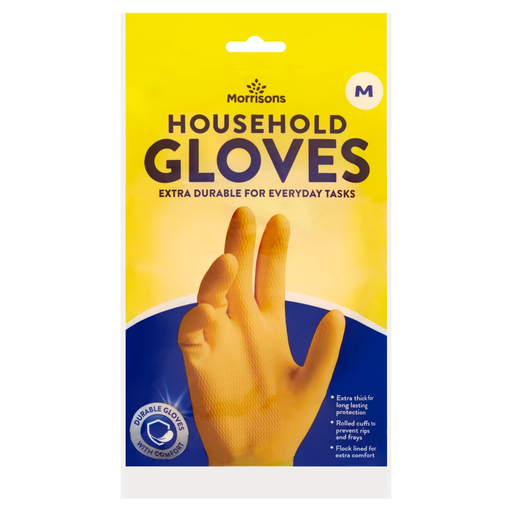
Why This Fits Their Persona: This user needs a reliable, comfortable and reusable pair of gloves for daily dishwashing and general cleaning. They value practicality and longevity over single-use convenience.
It directly counters the "Durable Deception" with a soft flock lining for comfort and reinforced rolled cuffs that prevent tearing and water ingress—features that genuinely extend its lifespan.
The extra-thick construction provides solid protection against hot water and detergents, while the textured grip ensures secure handling of wet items.
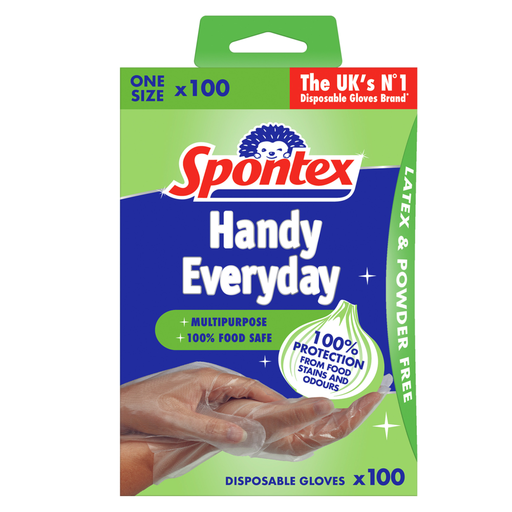
Why This Fits Their Persona: This user needs a quick, hygienic solution for tasks like preparing food, handling raw meat, or doing messy DIY jobs. They prioritise cleanliness and convenience.
It avoids the "Material Mismatch" trap by being explicitly latex-free, powder-free and approved for food contact, making it a safe choice for both sensitive skin and kitchen use.
The dispenser-style box offers easy access and the synthetic material maintains good tactile sensitivity for delicate tasks. The pack of 100 offers great value for frequent use.
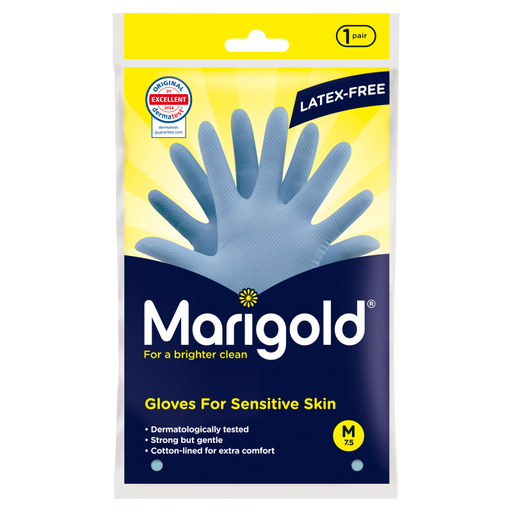
Why This Fits Their Persona: This user's primary concern is avoiding skin irritation from latex or harsh detergents. They need a glove that is dermatologically tested and designed for comfort during prolonged wear.
This product is specifically designed to avoid the "Material Mismatch" pitfall. It is latex-free and dermatologically tested, providing a safe barrier for delicate skin.
The soft cotton-lined interior provides superior comfort and reduces sweating, while the tailored fit and anti-slip pattern ensure they are still practical and effective for cleaning tasks.
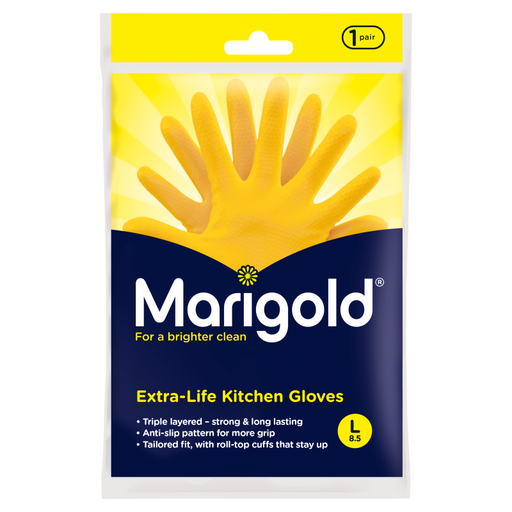
Why This Fits Their Persona: This user tackles tougher cleaning jobs, from scrubbing ovens to deep cleaning the bathroom. They need a pair of heavy duty gloves that offer enhanced protection and durability without sacrificing comfort.
This glove sidesteps the "Durable Deception" with a verifiable triple-layer structure and special nitrile coating, offering genuinely superior wear resistance compared to standard rubber gloves.
The "safe hold" anti-slip pattern provides excellent grip, while the roll-top cuffs and cotton lining ensure a secure, comfortable fit even during vigorous cleaning sessions.
We have compiled a complete, real-time list of products that fully satisfy these strict selection criteria and UK safety regulations.
1. How can I stop my reusable washing up gloves from getting smelly? The key is to dry them properly. After each use, rinse the gloves inside and out with clean water to remove any soap residue. Then, hang them up to allow air to circulate freely, ensuring no moisture is trapped inside. Storing them in a damp pile under the sink is a common cause of unpleasant odours.
2. Are latex or nitrile gloves better for cleaning? It depends on the task and your skin. Latex gloves offer excellent flexibility and are great for general cleaning and washing up. However, nitrile gloves are generally more resistant to punctures and certain chemicals. They are the recommended choice for anyone with a latex allergy or particularly sensitive skin and are also well-suited for food preparation.
3. How do I know what size household gloves to buy? A good fit is crucial for both comfort and effectiveness. The gloves should feel snug without being restrictive. If they are too loose, water can get in; if too tight, they may tear easily. Most brands offer Small, Medium and Large sizes. If you are unsure, check the packaging for a sizing guide, which may advise you to measure the circumference of your palm.