
24/7 Customer Support

Free returns

Same-day & Next-day Delivery

Quality Guaranteed

Unlock Your Welcome Offers: FREE Delivery | Up to 80% OFF | Free 30-day JoyPlus trial
Download the APP
A household insect killer can provide quick relief from pests, but choosing the wrong format may waste money or create unnecessary risks. A powder designed for ant trails will not necessarily deal with flying insects, while a room-treatment aerosol may be unsuitable for a small, occupied space.
Before buying, check the pest listed on the label, the permitted application area and the required ventilation time. The following guide explains the main buying pitfalls and matches practical options to different household needs.
“Multi-insect” wording can sound convenient, but the application method still matters. A fly killer spray is intended for flying insects and may be used as a direct spray, space treatment or around entry points. An ant killer or cockroach killer may instead need targeted application along cracks, crevices and insect trails.
Fleas, clothes moths and crawling insects also require different approaches. For example, a clothes moth treatment may be designed for wardrobes and cupboards, while a flea killer kit may combine room treatment with powder for areas where fleas could remain.
A product that kills insects on contact may deal with visible pests but not address eggs, larvae, hidden insects or entry routes. Look for clear information about residual protection, reapplication intervals and whether the product is suitable for cracks, surfaces or whole-room treatment.
Claims such as “long-lasting” should always be checked against the stated duration. Some products list protection for up to four weeks, while others specify up to 12 weeks under the conditions on the label.
Household insecticides are biocides, not ordinary cleaning sprays. Aerosols may be extremely flammable, while powders and sprays can be harmful if inhaled or swallowed. Some products are toxic to aquatic life and must not enter drains or waterways.
Do not rely solely on a product image or short online description. Read the complete packaging instructions before use, remove people and pets where required, cover aquariums and animal cages, keep products away from food and ventilate treated rooms as directed.
Start with the pest you have actually seen. Useful categories include:
Check whether the product is for indoor use, outdoor use or both. Some powders can be applied in dry areas adjacent to buildings, whereas an indoor insect spray may require closed-room treatment followed by ventilation.
Also check surface restrictions. A product may not be suitable for soft furnishings, clothing, bedding, food preparation areas or pet bedding. If treating a visible surface, test an inconspicuous area first where the label recommends it.
Residual control can be useful around doors, windows, cracks and other entry points, but it does not mean the product can be applied more heavily than instructed. Compare:
The active ingredients can also help you distinguish products. Examples in this selection include deltamethrin, permethrin, tetramethrin, prallethrin, cypermethrin and natural pyrethrins. The label remains the authority for permitted use, precautions and disposal.

Why This Fits Their Persona: A practical option for tenants and householders dealing with ant trails or occasional cockroaches in dry indoor or adjacent outdoor areas.
It is clearly positioned for ants and cockroaches rather than relying on an overly broad insect claim, with a stated application rate of 3.5g per square metre.
Deltamethrin-based powder; listed residual protection of up to 12 weeks when used as directed.
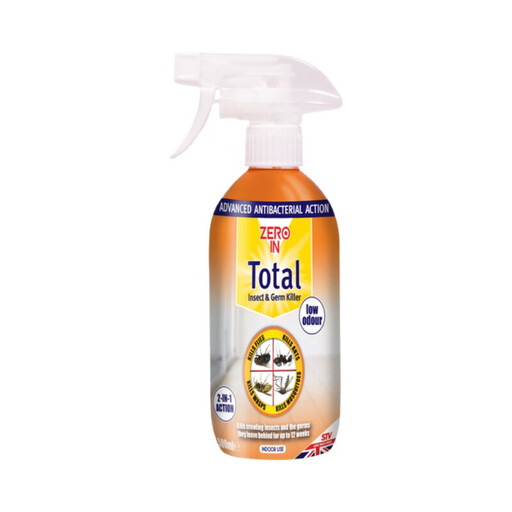
Why This Fits Their Persona: Suitable for shoppers wanting a low-odour, water-based surface treatment for common crawling insects around indoor living areas.
The product description specifies the intended pests and a residual period rather than suggesting unlimited protection for every household insect.
500ml water-based formula; listed for ants, cockroaches, woodlice and other crawling insects, with residual control of up to 12 weeks.
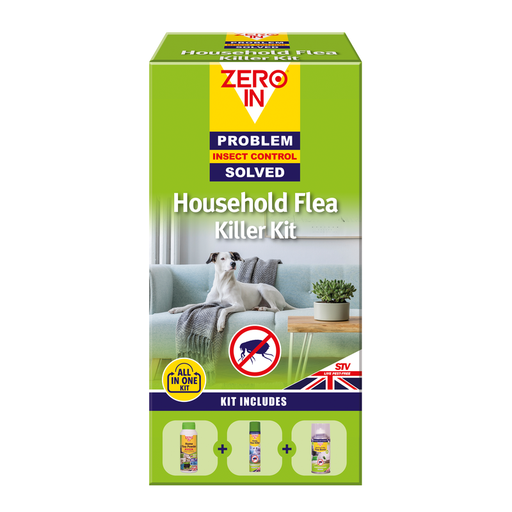
Why This Fits Their Persona: Designed for a more involved flea treatment where a single surface spray may not cover the household’s needs.
The kit format makes the treatment components visible, helping buyers avoid assuming that one aerosol will address every stage or area.
Includes 300g flea powder, 300ml flea killer and a 150ml room-treatment bomb.
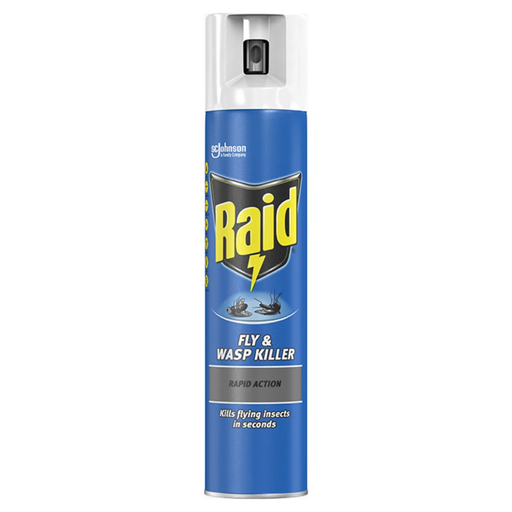
Why This Fits Their Persona: A 300ml insecticide aerosol for households needing a dedicated treatment for flies, mosquitoes, wasps and similar flying insects.
It provides separate directions for direct application, room treatment and entry-point treatment, making the intended use clearer than a generic aerosol.
Contains 1R-trans phenothrin and prallethrin; directions state a 15-minute closed-room period followed by thorough ventilation.
Always use a product only for its approved purpose and follow the current label. Keep aerosols away from heat, flames and ignition sources. Do not spray near food, food preparation surfaces, drains, ponds or watercourses.
For powders, avoid creating airborne dust and use the protective equipment specified on the label. Store all products in their original containers, away from children, pets, food and animal feed. If a product enters the eyes or is swallowed, follow the first-aid instructions on the packaging and seek medical advice where directed.
If insects continue to appear after correctly following the label, identify the source rather than repeatedly increasing the application. Persistent cockroach, flea, bed bug or wasp-nest problems may require advice from a qualified pest-control service.
We have compiled a complete, real-time list of products that fully satisfy these strict selection criteria and UK safety regulations.
It depends on the formulation and surface. Some products list residual protection for up to four weeks, while the ant and insect powder listed above states up to 12 weeks. Reapply only at the interval and rate given on the label.
Only if the product label permits it. Remove or cover food and utensils, avoid food preparation surfaces and follow the stated room-closure and ventilation instructions before re-entry.
The answer depends on the pest and treatment area. A powder can be practical for defined ant trails and cracks, while an aerosol may be more convenient for occasional flying insects. Compare the pack size, coverage instructions and reapplication period rather than price alone.