
24/7 Customer Support

Free returns

Same-day & Next-day Delivery

Quality Guaranteed

Unlock Your Welcome Offers: FREE Delivery | Up to 80% OFF | Free 30-day JoyPlus trial
Download the APP
Flies in the kitchen, ants along skirting boards and wasps near windows can make a small pest problem feel much larger. However, choosing a household insect killer based only on phrases such as “rapid action” or “long-lasting protection” can lead to wasted money and unsuitable treatment.
The most practical choice depends on which insect you are dealing with, where it is appearing and whether you need a trap or an insecticide. A product designed for fruit flies will not address a cockroach problem, while an aerosol may be unsuitable around food, pets or enclosed rooms.
A general flying insect spray may list flies, mosquitoes and wasps, but that does not make it the right option for ants or cockroaches. Crawling pests often require a targeted powder, surface treatment or crawling insect killer applied to cracks and crevices.
Start by identifying the pest:
Residual protection has a defined duration, not an unlimited lifespan. Depending on the product, the stated period may be several weeks or up to 12 weeks. Cleaning, moisture, sunlight and foot traffic can reduce how long a treatment remains effective.
Check whether “long-lasting” refers to:
Always follow the product label rather than applying extra product to extend the stated period.
Aerosols, powders and room treatments are not interchangeable. Some must not be used near food, aquariums, pet areas, soft furnishings or drains. An insecticide aerosol may also be flammable, while powders can create inhalation and contamination risks if applied carelessly.
For UK households, check the full label, active ingredients, usage directions, hazard warnings and authorisation or registration information before purchase. Keep children and pets away during application and re-entry, and ventilate rooms exactly as instructed.
Look for specific wording rather than a general promise. A product listing that names flies, mosquitoes, wasps, ants or cockroaches gives clearer guidance than one that simply says “all insects”. For a mixed problem, a multi-insect product may be convenient, but targeted products can make application more precise.
Choose between:
Check the volume, pack quantity and stated treatment area. A 300ml aerosol is convenient for occasional use, while a larger trigger spray may suit repeated targeted application.
Insecticides can contain different active ingredients, including pyrethroids, deltamethrin, permethrin or other substances. The ingredient alone does not determine whether a product is suitable for your home. The label’s permitted use, ventilation requirements and precautions are equally important.
For households with cats, dogs, children or fish, pay particular attention to warnings about aquariums, animal cages, pet bedding, food preparation surfaces and waterways. A non-toxic fly trap may be preferable for a limited fruit fly issue, but “non-toxic” does not mean it should be handled by children or placed where pets can reach it.
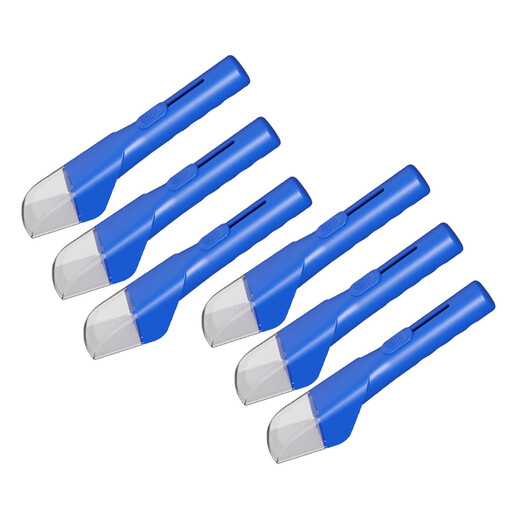
Why This Fits Their Persona: A simple option for tenants or households wanting to start with passive fly control in indoor or outdoor areas.
It does not rely on vague residual protection claims; the product format makes its capture method clear. Replace or reposition when the adhesive surface is full.
Pack of six; listed for indoor and outdoor use; no aerosol or insecticide mist.
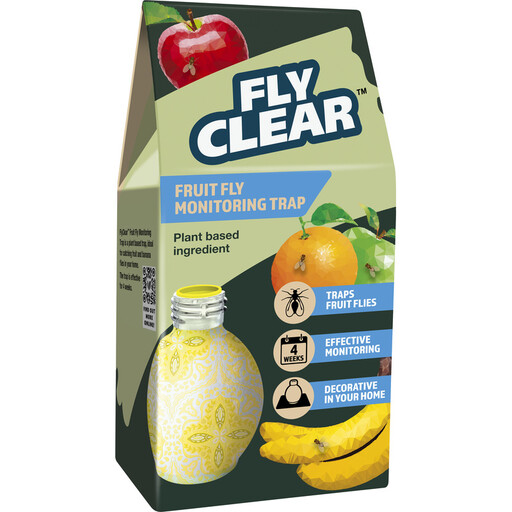
Why This Fits Their Persona: Suitable for shoppers who want a discreet kitchen solution near fruit bowls, compost bins or food preparation areas.
Its stated use is specific to fruit flies, helping avoid buying a general aerosol for a localised kitchen issue.
Plant-based lure; chemical-free format; stated monitoring period of up to four weeks.
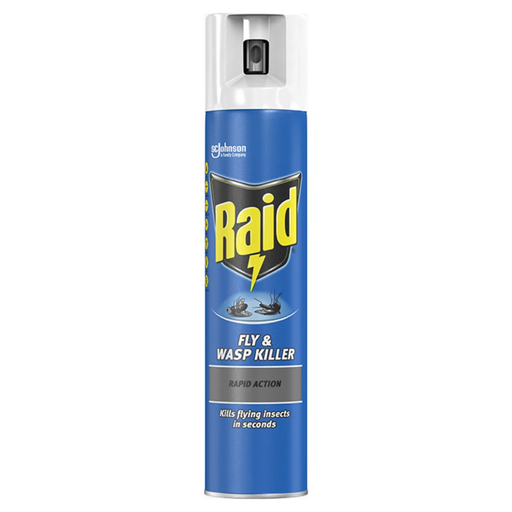
Why This Fits Their Persona: Designed for households needing a direct flying insect spray for occasional wasps, mosquitoes or flies indoors.
The directions distinguish direct application, room treatment and treatment around doors and windows, so the usage method is not left to guesswork.
300ml aerosol; lists wasps, mosquitoes and flies; label instructions include a 15-minute closed-room period followed by ventilation.

Why This Fits Their Persona: A targeted option for recurring ant or cockroach activity along dry trails, cracks and crevices indoors or beside buildings outdoors.
Its application rate is specified as 3.5g per square metre, reducing the risk of applying an arbitrary amount.
250g powder; intended for ants and cockroaches; listed residual protection of up to 12 weeks when used as directed.
We have compiled a complete, real-time list of products that fully satisfy these strict selection criteria and UK safety regulations.
Before using any household insect killer:
For recurring infestations, remove food sources, repair gaps around doors and windows, empty bins regularly and deal with moisture. Product treatment works more effectively when combined with basic prevention.
It depends on the format. The CLEAR fruit fly trap is listed for up to four weeks, while the Raid ant and insect powder states up to 12 weeks when applied as directed. Sticky traps last until their adhesive surface is full or contaminated. Always use the replacement guidance on the label.
A non-toxic fly trap can be a practical choice near fruit bowls or compost bins, particularly for a localised fruit fly problem. However, keep it out of reach of children and pets, avoid direct contact with food and follow the product’s placement instructions.
A trap has no repeated spray application, but it needs replacing when full or when its stated operating period ends. An aerosol may last through several targeted applications, but its running cost depends on frequency, room size and whether the problem requires repeated treatment. Compare pack size, application rate and replacement interval rather than the purchase price alone.