
24/7 Customer Support

Free returns

Same-day & Next-day Delivery

Quality Guaranteed

Unlock Your Welcome Offers: FREE Delivery | Up to 80% OFF | Free 30-day JoyPlus trial
Download the APP
A household insect killer spray can deal with an unexpected fly in the kitchen, ants along a skirting board or mosquitoes around a patio door. However, choosing the wrong type can waste money and create avoidable safety risks.
The first step is to identify the pest and the area that needs treatment. A flying insect killer designed for midges may not provide suitable control for cockroaches, while an ant and cockroach killer may be inappropriate for open-air use or soft furnishings.
“Multi-insect” sounds convenient, but product coverage varies. Check whether the label specifically mentions the pest you need to address, such as flies, wasps, mosquitoes, ants, cockroaches, fleas or clothes moths.
A rapid action insect spray is generally suited to immediate knockdown, whereas a product offering residual insect control may be more appropriate for cracks, entry points or insect runs.
An aerosol insect killer intended for air treatment may require the room to be closed for a specified period before ventilation. A surface treatment, by contrast, may be designed for skirting boards, cracks, wardrobes or other hard areas.
Do not assume that a spray suitable for indoor room treatment can be applied to clothing, bedding, food preparation surfaces, pet areas or upholstery. Always follow the product label.
A low-odour formula does not mean a product can be used casually. Many household insecticides contain active ingredients that can be harmful if inhaled, swallowed or released into water.
Check whether you need to:
Match the product to the problem:
Contact sprays focus on insects present during application. Residual products are intended to remain active on treated areas for a stated period. Some products in this range specify protection for up to four or 12 weeks, but the actual result depends on the pest, surface, application rate and environmental conditions.
Treat duration claims as label information rather than a guarantee for every home. Reapplication must follow the instructions, not personal judgement.
Look for the active ingredients and pack size before comparing prices. A 300ml aerosol may suit occasional spot treatment, while a 500ml or 600ml trigger spray may be more practical for repeated application to cracks and entry points.
Some products contain pyrethroids such as permethrin, prallethrin, tetramethrin or phenothrin. Others use deltamethrin or cypermethrin. The ingredient does not, by itself, determine suitability: the approved use, pest list, application rate and safety directions on the packaging matter equally.
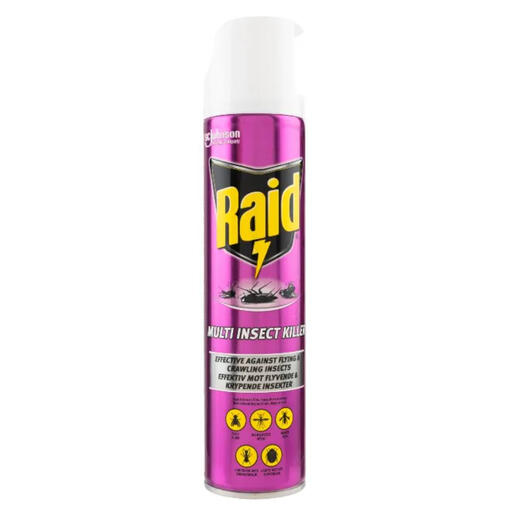
Why This Fits Their Persona: A practical option for tenants or householders who want one aerosol for occasional flying and crawling insect problems in rooms such as kitchens, bedrooms and bathrooms.
Its stated coverage includes both flying and crawling insects, reducing the need to buy separate products for occasional household use.
300ml aerosol format; listed for flies, mosquitoes, wasps and cockroaches; directions cover air and targeted application.
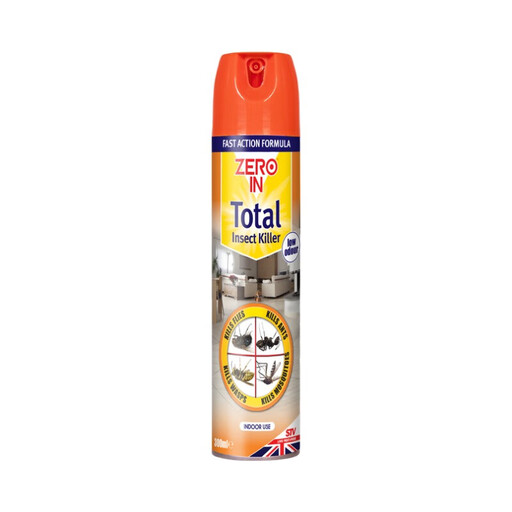
Why This Fits Their Persona: Suits homeowners seeking a combined indoor treatment for recurring flying and crawling insect activity rather than a single-pest aerosol.
The description clearly distinguishes knockdown treatment from residual action and identifies room, surface and space-spray use.
Designed for flies, wasps, mosquitoes, ants, cockroaches and woodlice; stated residual action of up to four weeks indoors.

Why This Fits Their Persona: Appropriate for users dealing with ant or cockroach trails around dry indoor areas or adjacent outdoor building spaces.
It is a targeted powder rather than a general room spray, with a stated application rate of 3.5g per square metre.
Deltamethrin-based formula; intended for insect runs, cracks and crevices; stated residual protection of up to 12 weeks.
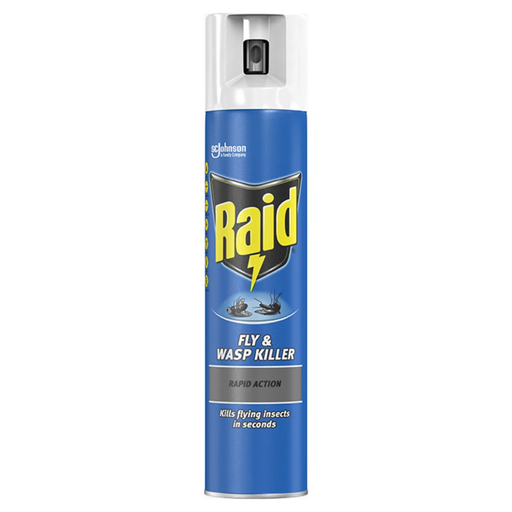
Why This Fits Their Persona: Useful for homes that experience seasonal flies, wasps or mosquitoes and need a direct spray for occasional indoor incidents.
The directions specify separate approaches for direct knockdown, room treatment and application around doors and windows.
300ml format; listed for wasps, mosquitoes, flies and hornets; includes stated entry-point treatment guidance.
We have compiled a complete, real-time list of products that fully satisfy these strict selection criteria and UK safety regulations.
Remove people, children and pets, cover food and food-contact surfaces, and close doors or windows if the label requires room treatment. Leave the room for the stated period, then ventilate thoroughly before returning. Do not spray near flames, heaters or electrical equipment unless the instructions specifically permit it.
Contact action occurs during or shortly after application, while residual control depends on the product and surface. Check the label for the stated duration. Cleaning, moisture, sunlight and repeated disturbance can reduce residual performance.
Cost depends on the treated area and how often reapplication is needed. Powder can be economical for defined insect trails, but it requires careful measuring and controlled placement. Spray may be more convenient for direct treatment or occasional flying insects. Compare the usable coverage, not only the shelf price.