
24/7 Customer Support

Free returns

Same-day & Next-day Delivery

Quality Guaranteed

Unlock Your Welcome Offers: FREE Delivery | Up to 80% OFF | Free 30-day JoyPlus trial
Download the APP
Discovering unwanted insects in your home can be unsettling. Whether it's a line of ants marching across the kitchen counter or the tell-tale buzz of a wasp indoors, the immediate goal is to reclaim your space. However, the market for household insect killer products is crowded, and choosing the right one can be confusing. Many shoppers find themselves buying products that are either ineffective for their specific problem or unsuitable for their home environment.
As a Joybuy Product Recommendation Officer, my role is to help you navigate these choices. We'll look past the marketing claims to focus on what truly matters for effective home pest control, helping you avoid common pitfalls and select a solution that works.
multi-insect killer products claim to handle everything from flies to cockroaches. While convenient for minor, occasional issues, they often lack the potency or specific formulation needed for more persistent problems. Using a generic spray for a bed bug treatment or a serious ant infestation can be a waste of money, as these pests require targeted solutions to eradicate them completely.fly spray designed to be misted into the air will do little to stop ants entering through a crack in the wall. For that, a crawling insect killer in powder or a targeted crevice spray is far more suitable. Matching the product type—spray, powder, bomb or trap—to the insect's behaviour is critical.To make an informed choice, focus on these core parameters. Understanding them will ensure you buy a product that is both effective and appropriate for your situation.
First, identify your pest. Is it a flying insect like a wasp or a crawling one like an ant?
multi-insect killer is useful for dealing with a variety of common, non-persistent pests. These are handy to have in the cupboard for the occasional fly or spider.clothes moth killer often uses pheromones or specific insecticides that won't damage fabrics, while a wasp killer spray is formulated to work from a safe distance. A bed bug treatment needs to be suitable for use on and around mattresses and provide long-lasting action to kill hatching eggs.The format of the product determines where and how you can use it effectively.
Ant killer powder can be applied along trails, into cracks and around entry points to the home, providing residual control for weeks.flea bomb for house UK is a total-release aerosol designed to treat an entire room. It's effective for widespread infestations in enclosed spaces but requires you to vacate and ventilate the area thoroughly after use.Instead of a single "best" product, the right choice depends on your specific needs. Here are a few recommendations matched to common scenarios faced by UK residents.
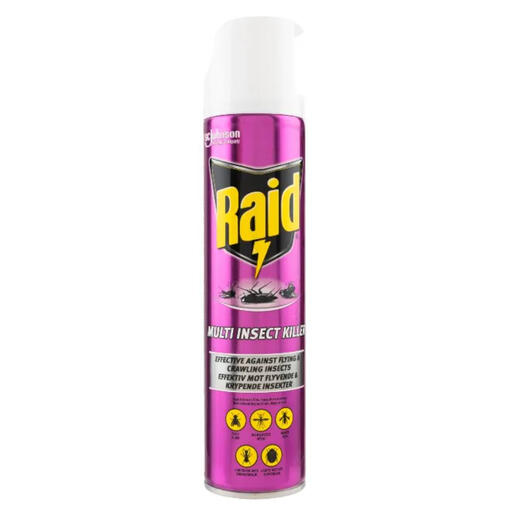
Why This Fits Their Persona: This user has spotted a few common pests like flies, ants or a spider and wants a straightforward, affordable tool for immediate action. They don't need a complex system, just a reliable spray to keep on hand for quick resolutions.
It avoids the trap of over-specialisation for a general problem. For occasional, non-persistent pests, this broad-spectrum spray is the correct and most cost-effective tool, delivering on its promise without unnecessary complexity.
Its fast-action formula works on contact with both flying and crawling insects. It also leaves a clean, fresh scent, unlike many harsh-smelling insecticides.

Why This Fits Their Persona: This user is tackling a more serious or recurring infestation, such as fleas, bed bugs or clothes moths. They need a powerful solution that not only kills on contact but also provides lasting protection to prevent re-infestation.
This product directly counters the "one-size-fits-all" pitfall. It is specifically formulated for tougher pests and offers residual action for up to 12 weeks, addressing the root of the problem rather than just the visible symptoms.
It features an ergonomic trigger handle for clean, targeted application into cracks and crevices where pests hide. The long-lasting residual control helps break the breeding cycle of insects like fleas and bed bugs.
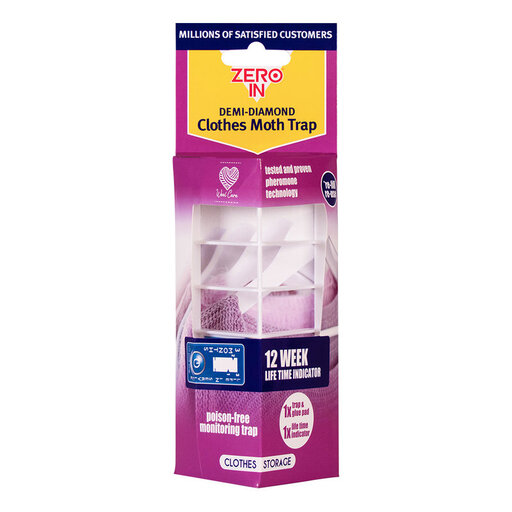
Why This Fits Their Persona: This person has a very specific issue: clothes moths in a wardrobe. They are concerned about using chemical sprays on or near expensive clothing and fabrics and want a discreet, safe and effective long-term solution.
It perfectly avoids the "wrong application" pitfall. Instead of a messy or potentially damaging spray, this pheromone trap is the correct tool for monitoring and reducing moth populations in a sensitive storage area.
It is 100% poison-free, using pheromone technology to attract and trap moths. It provides continuous monitoring for up to 12 weeks and includes a lifetime indicator to let you know when it's time for a replacement.
We have compiled a complete, real-time list of products that fully satisfy these strict selection criteria and UK safety regulations.
1. How long should I stay out of a room after using a flea bomb or fogger? Always follow the manufacturer's instructions on the product label, as times can vary. Generally, you will need to vacate the treated room for 2 to 4 hours. After this period, it is crucial to ventilate the room thoroughly by opening windows and doors for at least 30 to 60 minutes before you, your family or pets re-enter.
2. Is it safe to use ant killer powder in a house with pets and children? While many powders are designed for application in cracks and crevices where they are less likely to be disturbed, extreme caution is necessary. Always read the product's safety warnings. Apply the powder in areas that are completely inaccessible to children and pets, such as under appliances or inside wall voids. For areas with potential contact, consider using enclosed bait stations as a safer alternative.
3. How can I get rid of clothes moths without spraying chemicals on my garments? Pheromone-based traps are an excellent poison-free method. These products lure and catch male moths, which helps to disrupt the breeding cycle and monitor the level of infestation. For treating existing larvae on clothes, a hot wash cycle (above 50°C) or placing the items in a sealed bag in the freezer for several days can effectively kill them without chemicals.