
24/7 Customer Support

Free returns

Same-day & Next-day Delivery

Quality Guaranteed

Unlock Your Welcome Offers: FREE Delivery | Up to 80% OFF | Free 30-day JoyPlus trial
Download the APP
Finding your home shared with uninvited guests like ants, flies, or worse, bed bugs, is a common frustration for UK residents. The immediate reaction is often to grab the first can of insect killer on the shelf. However, effective household pest control requires a more considered approach. Choosing the wrong product not only wastes money but can also be ineffective, leaving you right back where you started.
As the Joybuy Product Recommendation Officer, my role is to help you navigate the options and understand what truly matters. Let's look at the common pitfalls to avoid before you make a purchase.
To ensure you are choosing an effective solution, focus on these core parameters rather than just marketing claims.
Different pests require different strategies. Understanding the main types of household pest control products is the first step to success.
You do not need to be a chemist, but a basic understanding of the active ingredients helps.
To help you choose, we have matched some effective products to common household situations.
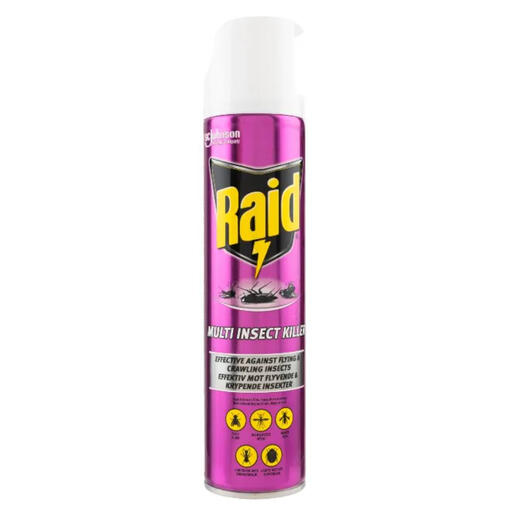
Why This Fits Their Persona: Ideal for the UK household that needs a reliable, straightforward solution for the occasional fly, wasp or cockroach. It's a versatile first line of defence to keep in the cupboard.
This product avoids the "one-size-fits-all" trap by being clearly positioned for common flying and crawling insects, rather than making claims against tougher infestations like bed bugs.
Its fast-action formula provides immediate knockdown of common pests and it leaves a pleasant fragrance, unlike many harsh-smelling insecticides.
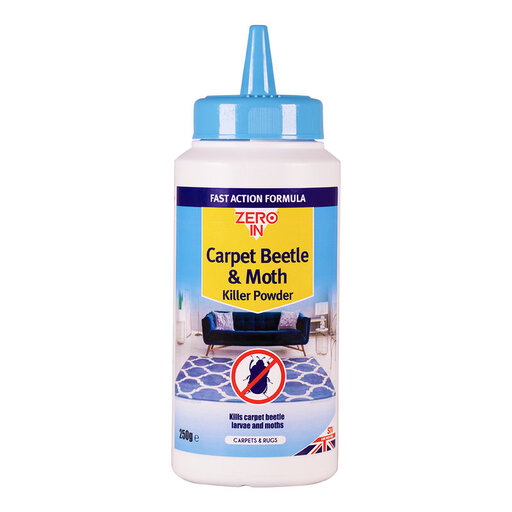
Why This Fits Their Persona: Perfect for homeowners who have noticed damage to wool carpets or natural fibres and need a targeted carpet beetle treatment. It addresses a specific, destructive pest where a general spray would fail.
This product avoids the pitfall of using the wrong application method. The puffer pack is designed for cracks, crevices and under furniture—areas where carpet beetle larvae hide.
It contains natural Pyrethrins for effective control and the puffer pack allows for precise application into hard-to-reach areas without direct hand contact.

Why This Fits Their Persona: For those facing a persistent and stressful infestation like fleas or bed bugs. This provides a more robust solution designed for tougher pests and offers lasting protection.
This product directly addresses the pitfall of ignoring residual action. It provides post-treatment control for up to 12 weeks, helping to deal with emerging eggs and larvae.
It kills pests on contact and the large 600ml trigger spray bottle allows for thorough treatment of larger areas, cracks and crevices where pests hide.
We have compiled a complete, real-time list of products that fully satisfy these strict selection criteria and UK safety regulations.
1. How long should I keep children and pets away after using an insect killer spray? Always read the product label for specific instructions. Generally, it is advised to keep children and pets out of a treated room until the spray has completely dried and the room has been thoroughly ventilated. This can take anywhere from 15 minutes to a few hours depending on the product and ventilation.
2. Is a powder or a spray better for treating ants? It depends on the location. An ant killer powder is highly effective for use along ant trails, at entry points like door frames and directly on the nest outdoors. It can be left undisturbed in out-of-the-way places. An insect killer spray is better for treating ants on kitchen worktops or other surfaces where a powder would be messy and inappropriate, as it can be wiped away after application.
3. How often do I need to re-apply household pest control products? This depends on the product's residual effect. Some contact sprays have no lasting action and only work when wet. Others, particularly those containing pyrethroids, can offer protection for several weeks or even up to 3 months. Check the product description for information on its residual control to determine how often you should re-apply for continued protection.