For important household and Self Assessment records, choose a backup you can keep current and restore from, then retain a separate copy that an incident affecting your everyday device cannot change. An external drive gives you a local copy, cloud storage offers off-site access, and a NAS can serve several devices but needs managing. The National Cyber Security Centre warns that connected backup storage can be affected alongside the original files, so none of these routes should be treated as a complete safeguard on its own.
Who needs this setup?
People digitising Self Assessment and household records
If scans and statements are moving out of paper files or scattered folders, you need to know where each record is saved and how to restore it. HM Revenue & Customs says retention periods depend on the circumstances of the return, so plan space and folder organisation for records kept over time.
People carrying sensitive files on a drive
A portable copy of financial or identity documents calls for careful handling if the drive is lost or stolen. The Information Commissioner’s Office explains how encryption protects stored personal information; keep the credentials needed to open an encrypted copy somewhere separately protected.
Households backing up several devices
If records are created on more than one computer or phone, an automatic routine can make recent copies easier to maintain. Check which folders it covers, how to restore a file and whether another copy remains available beyond the service’s recovery window.
Which backup route fits your needs?
External drive
Choose it when: You want a local copy you can access without an internet connection.
Trade-off: The National Cyber Security Centre warns that an attached USB backup can be affected by ransomware; disconnect and store a copy separately between backups.
Cloud storage
Choose it when: Access across devices and an off-site copy matter to you.
Trade-off: Access depends on the account and an internet connection. Microsoft Support and Apple Support describe recovery features with limited windows, so check the service’s terms before relying on sync for long-term retention.
Network-attached storage
Choose it when: Several devices need a central local destination and you are willing to manage it.
Trade-off: A NAS needs access controls, updates and another backup destination; keeping it at home does not make it an off-site copy.
Local and off-site copies
Choose it when: Losing tax, identity or household records would be especially disruptive and you want copies in separate locations.
Trade-off: You must maintain and check both destinations, including whether each contains current files that you can restore.
| Concern | What to check | Who this matters to |
|---|
| Recent-file recovery |
Confirm that the records folders are included and test restoration of a file or earlier version. |
I add scans and statements regularly and want to retrieve one if I delete it by mistake. Around 42% of consumers put straightforward recovery of recent files first. |
| Privacy and isolation |
Check encryption and credential storage, cloud account protection, and whether a copy can be disconnected. |
When I store sensitive documents, I worry about a lost drive or an incident reaching every connected copy. Protecting and isolating records is the primary concern for around 33% of consumers. |
| Local control and capacity |
Allow space for new records and versions; check device compatibility and any off-site destination. |
If several devices feed a growing archive, I want a local destination I can manage. Around 25% of consumers make that control and capacity their first priority. |
Backup mistakes to avoid
-
Leaving the only backup drive connected
The National Cyber Security Centre warns that ransomware can affect attached USB and network storage as well as the original files.
For important records, disconnect or rotate a backup copy when it is not in use and store it separately from the everyday computer.
-
Treating cloud sync as permanent retention
Recovery features have limits: Microsoft Support describes a 30-day OneDrive file-version window, Apple Support describes recovery of recently deleted iCloud files within 30 days, and Google Drive Help says an older uploaded-file version may be deleted after 30 days or 100 newer versions.
Check the terms of the service you use and retain an independent copy of records you need beyond its recovery window.
-
Enabling encryption without planning access
Encryption helps protect stored information, but access to an encrypted backup depends on its credentials. Synology says the client-side encryption password in the referenced Hyper Backup settings cannot be changed after the task is set up.
Use a strong, unique password and keep the information needed for recovery in a separately protected place.
-
Choosing capacity before listing your files
A backup routine can miss scans or statements saved outside its selected folders. Versions and newly digitised records also add to the archive over time.
List the folders to protect, check their current size, leave room for growth and restore a file from each important location to test the setup.
Relevant brands and services
Microsoft
File History and OneDrive are options for a Windows-centred household using local backups, cloud-synced folders or both.
- Microsoft Support says File History backs up selected files to an external drive or network location, while OneDrive offers earlier file versions.
- The referenced OneDrive support guidance describes a 30-day file-version window; keep a separate archive for records needed longer.
Apple
iCloud Drive can give Apple-device households access to files across their devices alongside a separately kept archive.
- Apple Support explains how to copy iCloud information into an additional archive.
- Apple Support describes recovery of deleted iCloud files within the last 30 days; do not use that feature as the only way to retain records for years.
Google
Google Drive is an option for households already organising uploaded documents through Google services.
- Google Drive Help describes controls for checking and retaining uploaded-file versions.
- An older uploaded-file version may be deleted after 30 days or 100 newer versions unless it is marked to keep; check the setting and maintain another copy.
Synology
Synology’s Hyper Backup is relevant to households prepared to manage a NAS and its backup destinations.
- Synology describes multi-version restoration, encryption and multiple destinations for Hyper Backup.
- Its referenced settings say client-side encryption cannot be disabled or have its password changed after setup; plan credential storage before enabling it.
Samsung
Samsung portable SSDs are a local-storage option; security features must be checked for the exact model.
- Samsung UK specifies fingerprint or password unlocking with AES 256-bit encryption for the T7 Touch.
- Those T7 Touch features should not be assumed for every Samsung drive, including other T7 variants.
External SSDs for a local copy
These portable SSDs are options for keeping a removable local copy of household or tax records. Choose a capacity and connection that suit your devices, then check how you will back up the right folders and keep another copy separately.
 No image available
Samsung T7 Shield 1 TB portable SSD, blue
A removable option for a local copy of records. The title specifies 1 TB and USB 3.2 Gen 2; check that your device and chosen backup software can use it for the folders you need.
Joybuy
 No image available
Samsung T7 2 TB portable SSD, grey
Consider this removable local destination if your archive calls for the stated 2 TB capacity. The title specifies USB 3.2 Gen 2; confirm device compatibility and how your records folders will be backed up.
Joybuy
 No image available
Samsung T7 1 TB portable SSD, blue
This removable drive can serve as a local records destination if 1 TB leaves enough room for future files and versions. Its title specifies USB 3.2 Gen 2; check the connection and your folder-backup routine.
Joybuy
 No image available
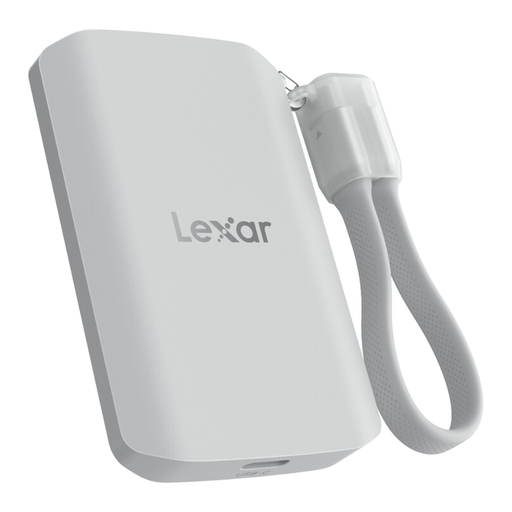
Lexar ES5 1 TB MagSafe portable SSD
A 1 TB removable local-copy option with USB 3.2 Gen 2x2 and an IP65 rating stated in the title. Check your device connection, the encryption arrangement you require and whether your backup tool covers records folders rather than only media.
Joybuy
 No image available
DigiEra LPS2000M-3 1 TB magnetic portable SSD, pink
This USB 3.2 Gen 2x2 drive is a removable option for a local copy of records. Confirm compatibility with the device you will back up, along with the encryption and file-restoration setup you need.
Joybuy
Questions about record backups
How long should I keep Self Assessment records?
The period depends on your circumstances. HM Revenue & Customs says that, for a return sent on or before the deadline, records should generally be kept for at least 22 months after the end of the tax year concerned; different periods can apply to late returns, business records or an HMRC enquiry. Set your backup retention to cover the period applicable to your records.
Do I need a separate copy if I already use cloud storage?
Keep an independent copy if losing the records would be seriously disruptive. The National Cyber Security Centre warns that an incident can affect connected backup locations, while cloud services may limit how long deleted files or older versions remain recoverable.
Should I encrypt a drive holding financial documents?
Encryption is a sensible control for a portable drive containing sensitive household records, provided you can retain the credentials needed to open it securely. The Information Commissioner’s Office explains its protection for stored personal information; its organisational guidance does not establish a universal legal requirement for a personal household backup.
How can I tell whether my backup will restore my files?
Check that recently added records appear in the backup, then practise restoring a non-critical file or folder. The National Cyber Security Centre advises checking that important data is present; repeat the test after changing folders or backup settings.


