
24/7 Customer Support

Free returns

Same-day & Next-day Delivery

Quality Guaranteed

Unlock Your Welcome Offers: FREE Delivery | Up to 80% OFF | Free 30-day JoyPlus trial
Download the APP
A household insect killer spray can provide quick control when ants cross the kitchen worktop, flies gather by a window or moths appear in a wardrobe. However, choosing by the boldest front-of-pack claim can lead to wasted money, unsuitable applications and repeated treatments.
The right choice depends on which pest you are dealing with, where it is hiding and whether you need contact knockdown, residual control or whole-room treatment. This guide compares practical options for UK homes, rented properties and landlords managing common indoor pests.
An indoor insect killer may list flies, ants, cockroaches and other pests, but the application method still matters. A space spray designed for flying insects is not automatically appropriate for mattresses, carpets or wardrobes. Similarly, a crawling insect killer may be more suitable for skirting boards and cracks than for treating open room air.
Always check the label for:
A “long-lasting insecticide” may leave residual action on a treated surface, but the duration varies by formulation, surface, cleaning and exposure to sunlight or moisture. A stated period such as four weeks, 12 weeks or three months should be treated as a label-specific indication, not a guarantee for every room.
Residual protection also does not replace cleaning, sealing entry points or treating the source of an infestation.
Low-odour and water-based formulas may be more comfortable for indoor use, but all biocidal products require careful handling. Keep children and pets away during application and until the label permits re-entry. Remove or cover food, ventilate as directed, avoid inhaling spray mist and never use an insecticide on an animal unless the product specifically permits it.
For ants, cockroaches and woodlice, look for an ant and cockroach killer or crawling insect treatment that can be applied to cracks, crevices, skirting boards and other harbourage points.
For flies, wasps and mosquitoes, select a flying insect killer that explains whether it is intended for direct application, room treatment or perimeter use around doors and windows.
For fleas, bed bugs, dust mites, moths and carpet beetles, choose a product that names the relevant pest and identifies the permitted surface. These insects can occupy fabrics, furniture joints and floor coverings, so a general pest control spray may not offer the right application instructions.
UK biocidal products should be used exactly as directed on the packaging. Look for the active ingredients, precautions, dosage or spray duration, storage guidance and any registration or authorisation information shown on the label.
Common actives in the supplied products include cypermethrin, benzalkonium chloride, cyphenothrin, prallethrin, permethrin, piperonyl butoxide and tetramethrin. These are not interchangeable from a user’s perspective: the product label determines where and how each formulation may be applied.
Do not decant insecticide into another container, mix products or exceed the recommended application rate.
A bomb is not automatically more effective than a spray. It may simply be more suitable for reaching multiple cracks and crevices in a room that can be vacated and ventilated properly.
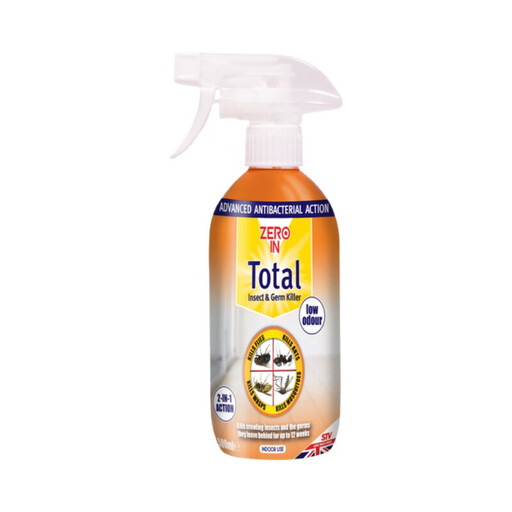
Why This Fits Their Persona: A practical option for households wanting one surface treatment for common crawling insects such as ants, cockroaches and woodlice.
Its listed use focuses on surface treatment rather than suggesting that every pest or room requires the same method.
500ml water-based formula; listed residual control of up to 12 weeks; low-odour positioning.
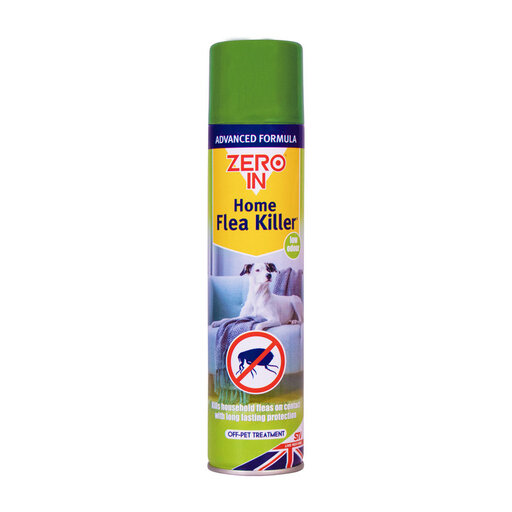
Why This Fits Their Persona: Suited to treating living areas where fleas may be present on carpets, rugs, cushions, pet bedding and baskets.
The product information clearly states not to spray directly onto animals, helping separate home treatment from pet treatment.
Contact treatment for adult fleas, larvae and eggs; listed protection of up to four weeks; low-odour formulation.

Why This Fits Their Persona: The larger can and targeted trigger application may suit recurring pest problems across cracks, crevices and household surfaces.
The trigger design supports directed application, reducing the need to spray broadly when a crack-and-crevice treatment is more appropriate.
600ml capacity; listed use against fleas, bed bugs, clothes moths and other household pests; residual action stated for up to 12 weeks.
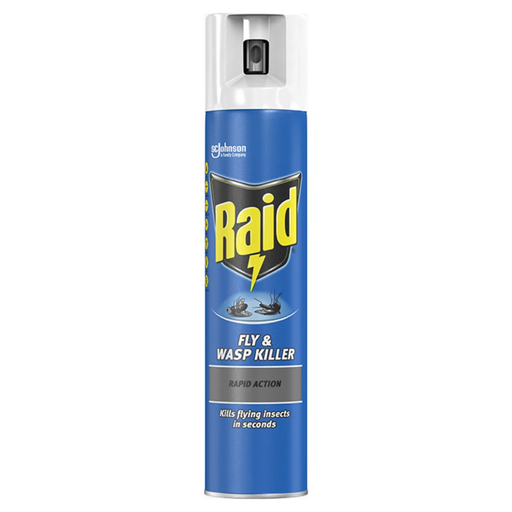
Why This Fits Their Persona: Designed around flying insects, making it a focused choice for seasonal flies, wasps and mosquitoes in domestic rooms.
It identifies flying insects and separates direct knockdown from treatment around doors and windows, rather than presenting one vague all-purpose use.
300ml aerosol; product information specifies indoor use, direct application and ventilation after room treatment.
Before using any pest control spray, identify the insect and remove avoidable attractants such as uncovered food, standing water, crumbs and overflowing bins. Vacuum carpets and upholstery when treating fleas or carpet beetles, and wash suitable fabrics according to their care instructions.
For any spray:
A bed bug spray, dust mite killer or carpet beetle spray may need repeat treatment because eggs and hidden insects can remain outside the initial spray zone. If activity continues, avoid repeatedly applying different chemicals. Seek advice from the product manufacturer, local council or a qualified pest-control service, particularly in flats or shared buildings.
We have compiled a complete, real-time list of products that fully satisfy these strict selection criteria and UK safety regulations.
The usable life depends on storage conditions and the product’s expiry or batch information. Once applied, residual control varies by formula and surface. For example, supplied product descriptions state periods ranging from around two weeks to 12 weeks or three months. These are product-specific label claims, not a universal lifespan.
Only use it where the label permits, and never spray directly onto animals unless expressly instructed. Remove pets, bowls, toys and bedding during treatment, then follow the stated drying and ventilation period before allowing access. Flea control usually requires a separate product intended for the animal and advice from a veterinary professional.
A spray can be more economical for small, targeted areas because you apply it only where insects are found. A bomb may be practical for a defined room volume, but it requires more preparation and may treat a larger area than necessary. Compare the can size, coverage instructions and required repeat treatments rather than purchase price alone.