
24/7 Customer Support

Free returns

Same-day & Next-day Delivery

Quality Guaranteed

Unlock Your Welcome Offers: FREE Delivery | Up to 80% OFF | Free 30-day JoyPlus trial
Download the APP
Are your houseplants looking a little lacklustre? Yellowing leaves, slow growth or a reluctance to flower can often be signs that your indoor plants are missing essential nutrients. Just like us, plants need a balanced diet to thrive. With so many options on the shelf, choosing the right houseplant feed can feel overwhelming. This guide is designed to help you understand what your plants need and find a suitable indoor plant food to keep them healthy and vibrant.
Before picking a product, it helps to understand the basics. This will ensure you provide the right care for your specific plants.
Most plant food packaging displays three numbers, known as the NPK ratio. This represents the balance of three core plant nutrients for indoor plants:
A general-purpose feed will have a balanced ratio, while specialised feeds, such as an orchid feed or cactus food, will have a ratio tailored to that plant's specific needs.
While a general-purpose houseplant feed is great for many common foliage plants like Monsteras or Pothos, some varieties have unique requirements.
For indoor plants, a liquid plant fertiliser is often the most straightforward option. It's easy to dilute in your watering can, ensuring an even distribution of nutrients directly to the roots. This method allows for controlled, regular feeding and reduces the risk of over-fertilising, which can damage delicate root systems.
Based on formulation and suitability for specific plant types, here are some of our top recommendations for UK plant owners.
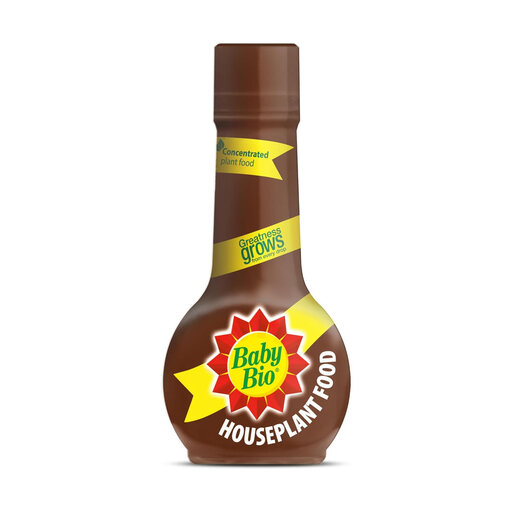
Why It Stands Out: This is a versatile, all-round indoor plant food. Its concentrated liquid formula is designed for a wide variety of common houseplants. The balanced NPK ratio of 10.6-1.9-1.4 is geared towards promoting healthy foliage and general vitality, making it a reliable staple for any indoor gardener.
Pros:
Who is it for? Ideal for those with a mixed collection of common houseplants, such as spider plants, peace lilies and ferns. It's a great starting point for beginners or anyone seeking a single, convenient solution.
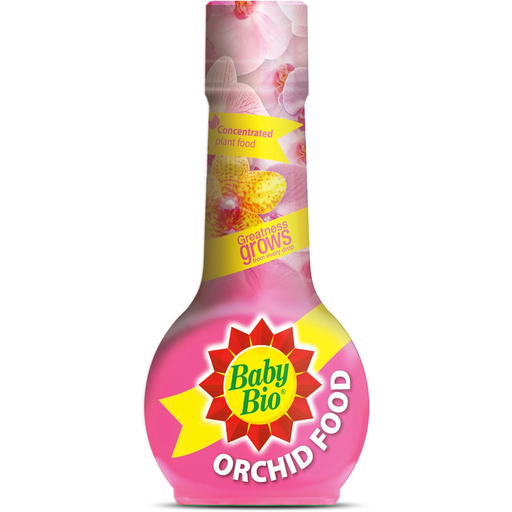
Why It Stands Out: This specialised orchid feed is formulated to meet the unique needs of orchids like Phalaenopsis and Cymbidiums. Its carefully balanced NPK ratio of 5.3-2.2-0.85 provides the right nutrients to encourage flowering and healthy root development without overwhelming the plant.
Pros:
Who is it for? A must-have for any orchid enthusiast, from those with a single plant on their windowsill to dedicated collectors. It helps provide the specific care these popular-yet-particular plants need to re-bloom.
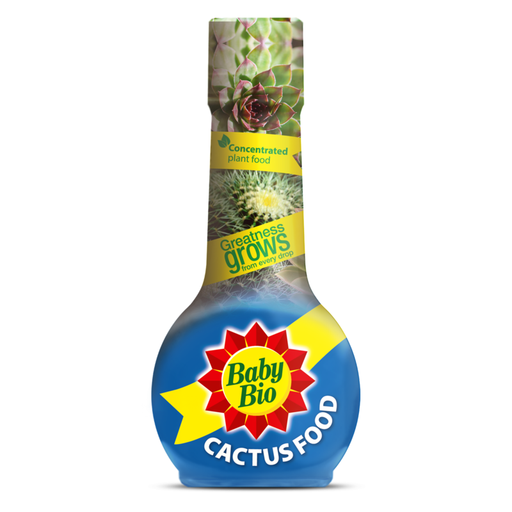
Why It Stands Out: Cacti and succulents store water and grow slowly, meaning they have different nutritional needs. This dedicated cactus food is designed with a lower nitrogen content to support strong, compact growth rather than the soft, stretched-out growth that can result from a general-purpose feed.
Pros:
Who is it for? Perfect for owners of succulents, cacti and other desert plants. If you have a collection of Echeverias, Aloes or Cacti, this feed will help maintain their unique forms and resilience.
If you have different requirements or are looking for other plant care solutions, there are many other products available. From larger-sized fertilisers to formulas for specific needs like citrus plants, you can find a wider selection to suit your indoor garden.
Explore Our Full Range of Chemical Fertiliser
Most houseplants benefit from feeding every 2-4 weeks during the growing season (spring and summer). In autumn and winter, when growth naturally slows, you can reduce feeding to every 6-8 weeks or stop altogether. Always check the product label for specific instructions.
For many common foliage plants, a general-purpose feed is perfectly fine. However, for plants with very specific needs like orchids, cacti and citrus, using a specially formulated feed will yield better results and help prevent issues like root burn or poor flowering.
Common signs of nutrient deficiency include yellowing leaves (especially older ones), slow or stunted growth, pale foliage and a lack of flowers on blooming varieties. If your plant is showing these signs despite having proper light and water, it may be time to introduce a houseplant feed.