Is your favourite houseplant looking a little less vibrant than it used to? Yellowing leaves, slow growth and a lack of flowers can be disheartening, but often the solution is simple: the right nutrition. Just like us, plants need a balanced diet to thrive. Navigating the world of houseplant feed, however, can feel overwhelming with so many options available.
As the Joybuy Product Recommendation Officer, my role is to help you understand your choices. This guide will break down the different types of indoor plant food and provide practical advice, helping you select a product that fits your plants' needs and your lifestyle, ensuring your indoor garden remains lush and healthy.
A Practical Guide to Buying Plant Fertiliser
Before choosing a product, it helps to understand a few key factors. This will ensure you provide the correct plant nutrients for healthy growth.
1. Understanding the Formats: Convenience vs. Control
The most common types of houseplant feed come in different formats, each with its own benefits:
- Ready-to-use liquids: These are pre-diluted and can be poured directly onto the soil. They offer maximum convenience, as there is no measuring or mixing required. This is an excellent choice for those who are short on time or new to plant care.
- Liquid concentrates: These require dilution with water before use. While it involves an extra step, this format is often more economical and gives you more control over the strength of the feed, which can be useful for more sensitive plants.
- Drip feeders: A plant food drip feeder is the ultimate "set-and-forget" solution. You simply insert the small bottle into the soil, and it slowly releases a balanced plant fertiliser over several weeks. This is ideal for maintaining consistent nutrient levels, especially if you're busy or going away on holiday.
2. What to Look for in a Formula
Not all plant foods are created equal. A good quality indoor plant food will contain a balance of three primary nutrients: Nitrogen (N) for leafy growth, Phosphorus (P) for root and flower development and Potassium (K) for overall plant health. Many modern formulas also include trace elements like magnesium and iron, which are vital for functions like chlorophyll production (the pigment that makes leaves green). Some feeds are also specifically formulated for plants in peat-free compost, which has a different nutrient-holding capacity than traditional compost.
Recommended Houseplant Feeds to Consider
Here are a few standout options that cater to different needs, from ultimate convenience to specialised care.
Baby Bio Houseplant Feed Drip Feeders
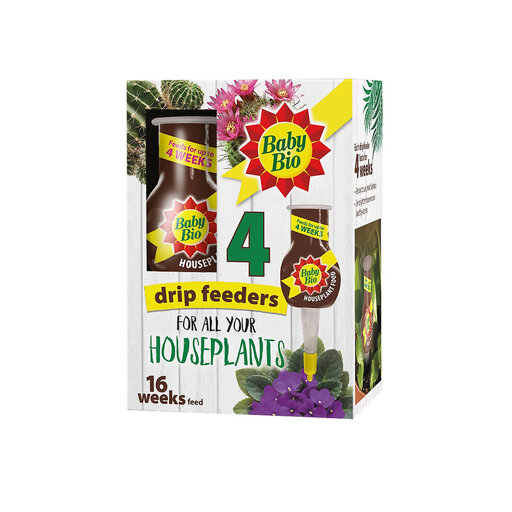
- Why It Stands Out: These drip feeders offer a completely effortless way to nourish your plants. They are designed to provide a steady, continuous supply of nutrients for up to a month, taking the guesswork out of your feeding schedule.
- Pros:
- Automatic feeding: Provides consistent nourishment for up to 4 weeks per feeder.
- Extremely easy to use: Simply snip the tip and push it into the soil.
- No mixing or measuring: A clean and simple ready to use plant food solution.
- Who is it for? This is an excellent choice for busy plant owners, beginners who are unsure about feeding schedules or as a way to keep plants fed while you are on holiday.
Baby Bio Plant Feed Pour & Feed
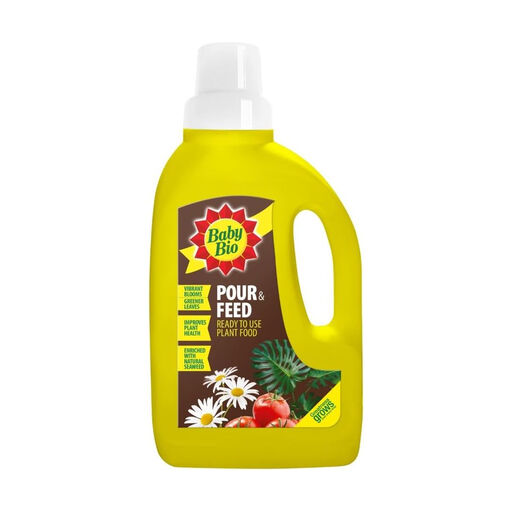
- Why It Stands Out: This liquid plant food combines convenience with an enhanced formula. It’s ready to pour directly from the bottle and is enriched with natural seaweed extract, which is known to stimulate healthy growth.
- Pros:
- Ready to use: No dilution is necessary, making it quick and simple to apply.
- Enriched with seaweed: Contains natural seaweed to support vigorous growth and vibrant blooms.
- Balanced nutrition: Provides the essential nutrients for general houseplant health.
- Who is it for? Ideal for plant parents who want a quick, no-fuss feeding solution that they can easily incorporate into their regular watering routine. The Baby Bio plant food range is a popular choice for its reliability.
Plant Gains Liquid Plant Food
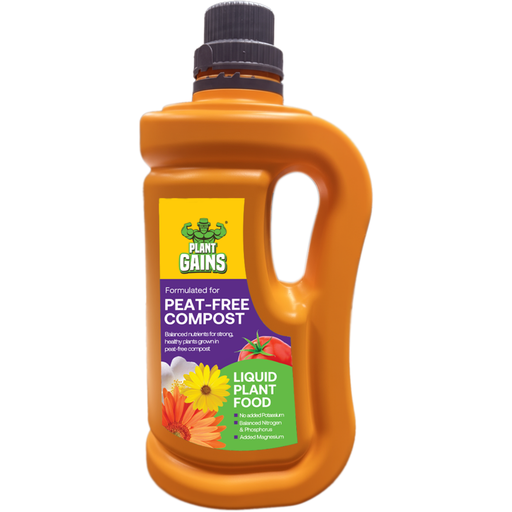
- Why It Stands Out: This is a next-generation plant fertiliser specifically developed for the growing number of people using peat-free composts. Its formula is designed to be fast-absorbing and compensates for the different nutrient profiles of peat-free media.
- Pros:
- Peat-free formula: Optimised for modern, environmentally-friendlier composts.
- Fast-acting: The liquid concentrate delivers plant nutrients quickly to roots and foliage.
- Versatile: Suitable for a wide range of indoor and outdoor plants, including vegetables and shrubs.
- Who is it for? This is a great option for the more experienced plant enthusiast who has transitioned to peat-free soil and wants a feed that is tailored to that specific growing environment.
Looking for More Options?
Every plant collection is unique, and you may be looking for a feed for a specific type of plant, like an orchid or a cactus. If the recommendations above aren't quite what you need, there are many other solutions available.
Explore our full range of plant food to find the perfect match for every plant in your home.
Frequently Asked Questions
1. How often should I feed my houseplants?
Most houseplants benefit from feeding every 2-4 weeks during the growing season, which is typically from spring through to autumn. In winter, when growth slows down, you can reduce feeding to every 6-8 weeks or stop altogether, depending on the plant. Always check the product label for specific instructions.
2. What are the signs my plant needs feeding?
Common signs of nutrient deficiency include yellowing leaves (especially older, lower leaves), slow or stunted growth, weak stems and a lack of flowers on blooming varieties. If your plant looks generally pale or lacks vigour despite proper watering and light, it may be time for a dose of houseplant feed.
3. Can I use the same plant food for all my houseplants?
A general-purpose indoor plant food is suitable for most common houseplants. However, some plants have specific needs. For example, orchids, cacti and citrus plants often do better with a specially formulated plant fertiliser that caters to their unique dietary requirements. If you have a collection of specialised plants, it may be worth investing in a targeted feed for them.


