
24/7 Customer Support

Free returns

Same-day & Next-day Delivery

Quality Guaranteed

Unlock Your Welcome Offers: FREE Delivery | Up to 80% OFF | Free 30-day JoyPlus trial
Download the APP
Discovering unwanted visitors on your cherished houseplants can be disheartening. Whether it's a cloud of tiny black flies rising from the soil or sticky residue on the leaves, pests can quickly turn a thriving indoor garden into a source of stress. The challenge lies in choosing the right solution from a sea of options.
As the Joybuy Product Recommendation Officer, my role is to help you navigate these choices. This guide offers clear, practical advice on selecting effective houseplant pest control, focusing on different methods to suit various needs and home environments. We will look at how to identify the problem and match it with a suitable product, helping you restore peace and health to your plants.
Before purchasing, it's helpful to consider a few key factors. A targeted approach is often more effective and efficient than a generic one.
Different pests require different strategies. For instance, a proper fungus gnat treatment typically focuses on the top layer of soil where they lay their eggs. In contrast, learning how to get rid of aphids on houseplants usually involves a contact spray that can be applied directly to affected leaves and stems. Identifying the culprit—be it tiny flying insects, crawling bugs on the leaves, or evidence of bugs in houseplant soil—is the first step towards effective control.
The safety of your household is paramount. If you have pets or young children, you may wish to prioritise physical barriers or poison-free traps over chemical sprays. A pet safe houseplant insecticide might come in the form of a soil topper that creates an inhospitable environment for pests, or adhesive traps that contain no active chemicals. Always read the product label carefully to ensure it is suitable for your living space.
Pest control products generally fall into three categories. Preventative measures, like soil barriers, aim to stop infestations before they start. Monitoring tools, such as sticky traps for plants, help you catch early signs of an issue. Active treatments, like an indoor plant bug spray, are designed for immediate use on existing infestations. For persistent problems, a combination of methods often yields the most successful results.
Based on their features and intended use, here are some of our recommended products for managing common houseplant pests.
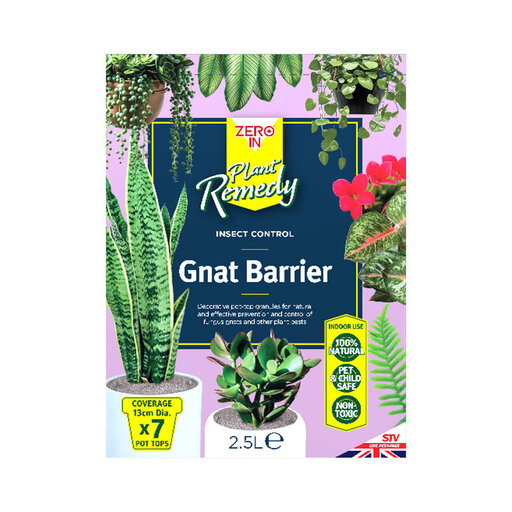
Why It Stands Out This product offers a physical, non-chemical approach to pest management. By creating a dry, abrasive layer on top of the soil, it disrupts the life cycle of soil-dwelling pests like fungus gnats, preventing them from laying eggs and larvae from emerging. It also doubles as a decorative pot-topper that helps retain soil moisture.
Pros
Who is it for? This is an ideal choice for plant owners dealing with persistent fungus gnats and other pests emerging from the soil. It is particularly well-suited for households with pets and children, or for anyone preferring a poison-free, preventative solution.
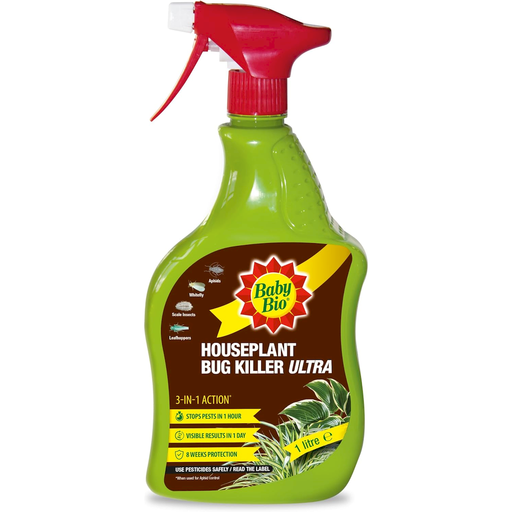
Why It Stands Out For active and visible infestations on leaves and stems, this ready-to-use spray provides a fast-acting solution. It is formulated to tackle a broad range of common houseplant pests, including aphids, scale insects and whitefly. According to the brand, it can stop pests from feeding in just one hour and offers extended protection.
Pros
Who is it for? This product is for the plant owner who needs an immediate and direct treatment for an existing pest problem on the foliage of their plants. It is a practical tool for quickly managing infestations as they appear on a wide range of indoor and greenhouse plants.
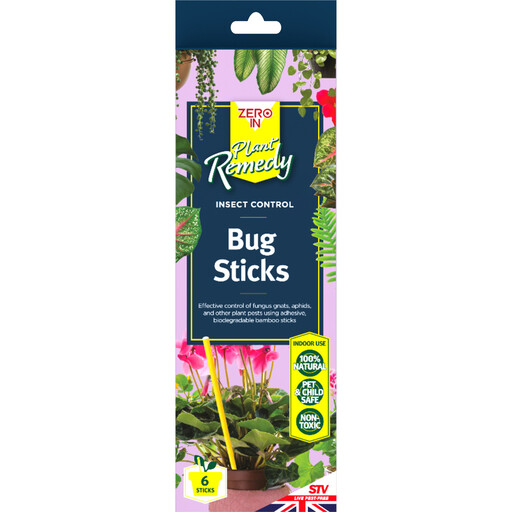
Why It Stands Out These sticky traps offer a simple and discreet method for monitoring and controlling flying plant pests. The specific aureola-yellow colour is designed to attract insects like fungus gnats, whiteflies and thrips, trapping them on the adhesive surface. Made from bamboo, they are a poison-free and odourless option that can be placed directly in plant pots.
Pros
Who is it for? Ideal for houseplant enthusiasts who want a low-maintenance, non-chemical way to manage flying insects. They work well as an early detection system or in combination with soil treatments for a comprehensive approach to fungus gnat control.
The world of pest control is vast, and the right tool often depends on the specific pest and plant. If you are dealing with a less common issue or simply wish to explore a wider variety of solutions, there are many other products available.
For a comprehensive selection of pest management tools, from different types of sprays to biological controls, feel free to browse our full Insect & Pest Control category.
1. How can I tell what kind of bugs are in my houseplant soil? Small, dark, fly-like insects that hover around the soil surface and are attracted to moisture are most likely fungus gnats. Their larvae live in the top layer of soil. Other soil-dwelling pests, like root mealybugs, may cause a plant to wilt but are harder to see without inspecting the root ball. Using yellow sticky traps can help you identify and monitor flying pest populations.
2. Is it possible to find a pet safe houseplant insecticide? Yes, many options prioritise safety in homes with pets. Look for products that rely on physical mechanisms, such as abrasive soil barriers made from pumice or diatomaceous earth, or poison-free adhesive traps. Always read the product description and packaging thoroughly to confirm it is listed as safe for use around pets and children.
3. How often should I treat my houseplants for pests? The frequency of treatment depends entirely on the product and the severity of the infestation. Some contact sprays may need to be reapplied every 7–14 days to break the pest life cycle, while preventative soil barriers can last for months. It is crucial to read and follow the manufacturer's instructions provided on the product label for correct and effective use.