
24/7 Customer Support

Free returns

Same-day & Next-day Delivery

Quality Guaranteed

Unlock Your Welcome Offers: FREE Delivery | Up to 80% OFF | Free 30-day JoyPlus trial
Download the APP
If you’ve ever been captivated by the sweet, tangy and complex flavour of plum wine at a Japanese restaurant, you might have tried to buy a bottle for yourself, only to be met with a confusing array of options. From Japanese umeshu to Korean plum wine and bottles simply labelled "plum liqueur," the choice can be overwhelming. Unfortunately, not all are created equal, and it's easy to end up with a product that misses the mark.
As the Joybuy Product Recommendation Officer, my role is to help you navigate the market and find a bottle that truly delivers on its promise. Many shoppers fall into common traps, choosing bottles that are overly sweet or lack the authentic fruit character they were hoping for. Let's look at the key pitfalls to avoid.
To ensure you're getting a high-quality product, focus on a few core parameters that separate the exceptional from the disappointing.
The most crucial factor is how the plum flavour is imparted. Authentic Japanese plum wine, or umeshu, is produced by steeping whole, unripe ume plums in alcohol and sugar for several months, or even years. This slow infusion process extracts the fruit's natural essence, creating a harmonious balance of sweetness, acidity and a subtle almond-like note from the pit.
When checking a label, look for mentions of:
The type of alcohol used forms the backbone of the drink. A plum sake typically uses sake as its base, lending a milder, more nuanced character with umami undertones. Others might use brandy for a richer, deeper profile, or a clean, neutral spirit to let the plum flavour dominate.
Equally important is the sweetness. While sweet plum wine is the norm, the sweetness should come from a balanced recipe, not an over-reliance on sugar or corn syrup. For those who prefer a drier, more fruit-forward experience, look for options labelled "no added sugar". These rely solely on the natural sweetness of the fruit and the base alcohol, offering a more sophisticated taste.
While Japan is famous for umeshu, other countries produce excellent versions. Korean plum wine, known as maesil-ju, is very similar and prized for its balance. Chinese plum liqueurs can also be delightful, sometimes using different plum varieties for a unique profile. For those avoiding alcohol, a growing number of high-quality non-alcoholic plum wine alternatives are now available, often blending dealcoholised wine with plum and herbal extracts for a complex, adult beverage.
To help you choose, we've matched some excellent options to different tastes and preferences.
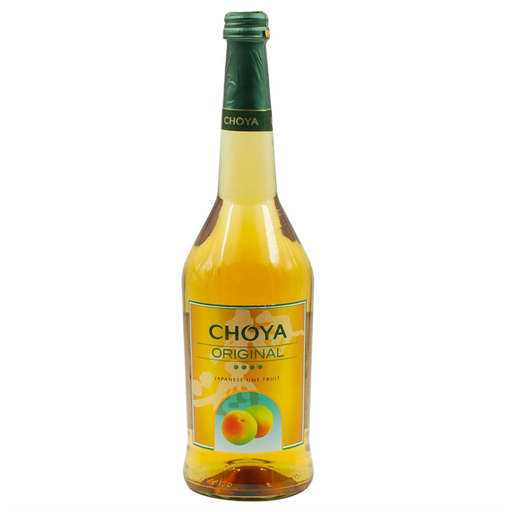
Why This Fits Their Persona: This is an iconic and widely available Japanese umeshu, making it a reliable first step. Its well-judged balance of sweet and tart is approachable for newcomers, and it's versatile enough for sipping chilled, on the rocks or in a simple highball with soda water.
It's made by steeping real ume plums, avoiding the artificial "flavoured liqueur" trap entirely. The flavour is authentic and balanced, not just sugary.
Classic, authentic flavour profile. Highly versatile for drinking neat or in cocktails.
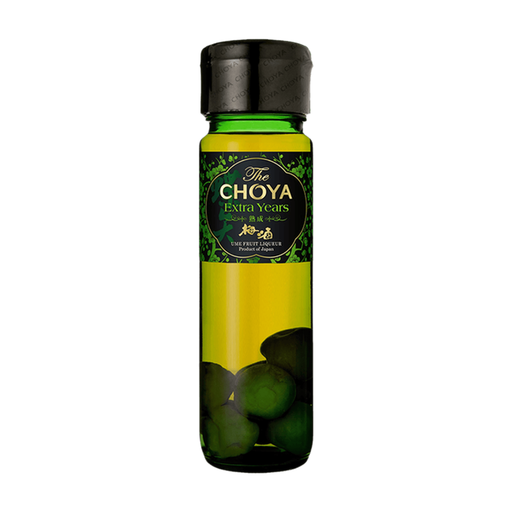
Why This Fits Their Persona: This is for someone who appreciates complexity and is ready to explore a more premium expression. The extended aging of two to three years creates a richer, smoother liqueur with notes of marzipan and almond. The inclusion of whole Nanko plums in the bottle makes it a fantastic digestif to sip and savour.
It sidesteps the "cheap base" pitfall by using quality spirits and premium Nanko plums. The extended aging process provides a depth of flavour that simple, unaged liqueurs cannot match.
Deep, complex flavour from 2-3 years of aging. Uses 100% premium Nanko plums from Kishu.
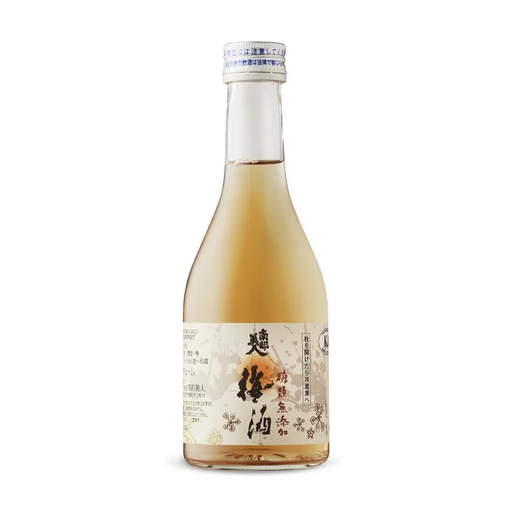
Why This Fits Their Persona: This is for the drinker who wants unadulterated flavour. With no added sugar, all the sweetness is natural. It's made with a high-quality all-koji sake base, offering a complex, off-dry profile with a distinctive cherry-pit bitterness that is sophisticated and refreshing.
It directly counters the "overly sweet" pitfall by containing no added sugar. The use of a premium sake base also elevates it far above liqueurs made with cheap neutral spirits.
Completely free from added sugar for a pure, fruit-forward taste. Unique all-koji sake base provides a rich, complex foundation.
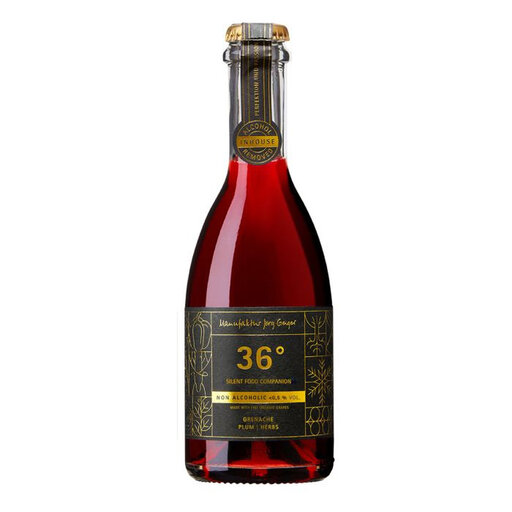
Why This Fits Their Persona: For those seeking the complex, fruity notes of plum without the alcohol, this is an excellent choice. It blends dealcoholised Grenache wine with plum juice and herbs, creating a sophisticated, tannic and layered beverage that pairs well with food.
This product clearly defines itself as a non-alcoholic alternative, avoiding any confusion. It delivers a complex flavour profile that goes beyond simple fruit juice, satisfying a desire for a grown-up drink.
A sophisticated non-alcoholic (<0.5% ABV) option. Complex flavour with plum, berry and herbal notes.
We have compiled a complete, real-time list of products that fully satisfy these strict selection criteria and UK safety regulations.
Plum wine is a broad, informal term for any wine-like beverage made from plums. Umeshu is the specific Japanese name for a liqueur made by steeping green ume plums in alcohol (like shochu or brandy) and sugar. Plum sake is a type of umeshu that specifically uses sake as its alcohol base, which can give it a gentler, more nuanced flavour compared to those made with distilled spirits.
Its versatility is one of its greatest strengths. The most common ways to enjoy it are:
Unlike grape wine, plum wine is a liqueur and has a much longer shelf life due to its sugar and alcohol content. While it won't "go bad" or become unsafe to drink quickly, its vibrant fruit flavours will start to fade over time. For the best taste, it is recommended to store the bottle in the refrigerator after opening and consume it within a few months.