
24/7 Customer Support

Free returns

Same-day & Next-day Delivery

Quality Guaranteed

Unlock Your Welcome Offers: FREE Delivery | Up to 80% OFF | Free 30-day JoyPlus trial
Download the APP
Choosing between a face moisturiser, body moisturiser, hydrating cream or night cream can be surprisingly difficult. Product labels often focus on impressive-sounding ingredients while leaving out practical details such as texture, fragrance, container size and whether the formula suits your existing routine.
Three common buying traps can lead to wasted money:
A sensible purchase starts with your skin type, the area you want to moisturise and how you plan to use the product.
A lightweight gel-cream can be more comfortable for combination or acne-prone skin, particularly under make-up. Richer creams and lotions may be more appropriate for dry skin, cold weather or overnight use.
Look for practical details such as:
A moisturiser for dry skin does not necessarily need to feel heavy. Ingredients such as glycerin, squalane, hyaluronic acid and emollient oils can support a comfortable finish without excessive stickiness.
The ingredients are listed in descending order of concentration, although ingredients used at lower levels can appear in a flexible order. Useful categories include:
If you have reactive skin, check for fragrance and known personal triggers. A moisturiser for sensitive skin should be introduced gradually, and a patch test is a sensible precaution. Stop using a product if irritation, itching, swelling or a rash develops.
Compare the net content as well as the price. A 400ml body moisturiser may offer more practical value for daily full-body use, while a 50ml face cream can be easier to carry or trial.
For daytime products, SPF can be useful, but an SPF day cream should not automatically replace dedicated sunscreen during prolonged outdoor exposure. Shiseido Essential Energy Hydrating Day Cream SPF20, for example, is described as providing SPF20, but its own product guidance states that it is not a substitute for dedicated sunscreen for extended sun exposure.
UK shoppers should also check the packaging for the full ingredient list, net quantity, batch information, storage guidance and responsible manufacturer or importer details. These details help you identify the exact formula and avoid buying a product that has been stored poorly or has changed in smell, colour or texture.
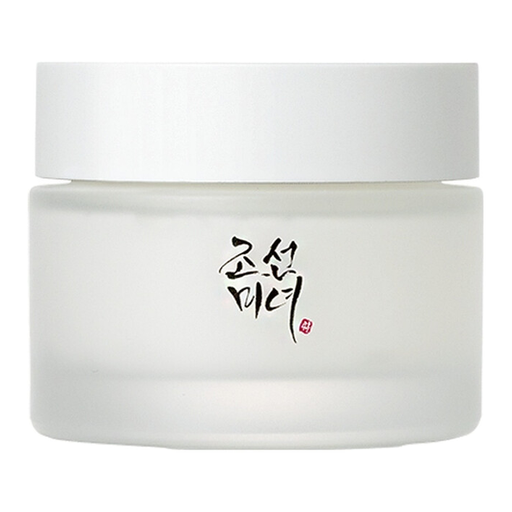
Why This Fits Their Persona: A compact face moisturiser for shoppers beginning a structured routine and wanting one cream for daily use, a sleeping-mask layer or a luminous make-up base.
The product information lists its key ingredients clearly, including rice bran water, ginseng root water, niacinamide, squalane and ceramide NP, rather than relying only on a front-label promise.
50ml format; creamy texture; includes niacinamide, squalane and ceramide NP.
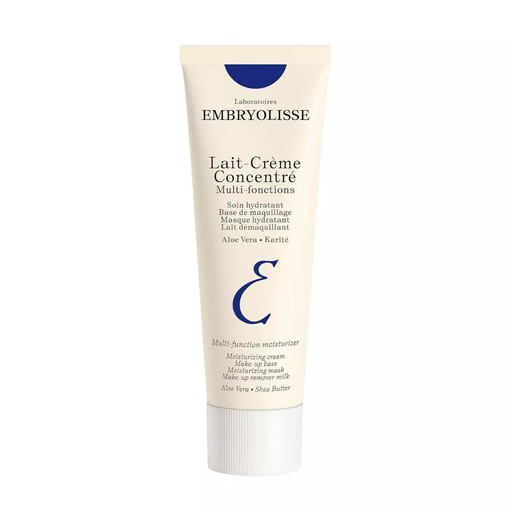
Why This Fits Their Persona: A compact option for people who value a streamlined routine, especially when preparing skin before foundation or travelling between home and work.
Its stated uses are specific: moisturiser, make-up primer and make-up remover. Buyers can decide whether those functions justify choosing a multi-purpose product.
30ml travel-friendly size; contains shea butter, aloe vera and beeswax; described as non-comedogenic and paraben-free.
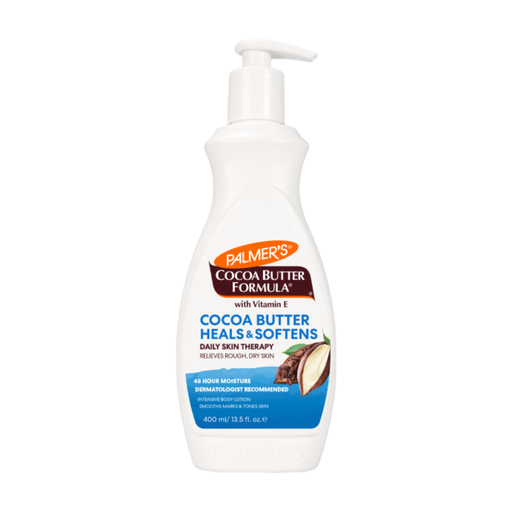
Why This Fits Their Persona: A large body moisturiser for regular use on arms, legs and other dry areas, helping reduce the need to replace smaller bottles frequently.
The 400ml net content is clearly stated, making it easier to compare value with smaller body lotions. Its listed formula also shows cocoa butter, glycerin, petrolatum and vitamin E.
400ml format; rich emollient ingredients; designed for daily use on rough, dry body skin.
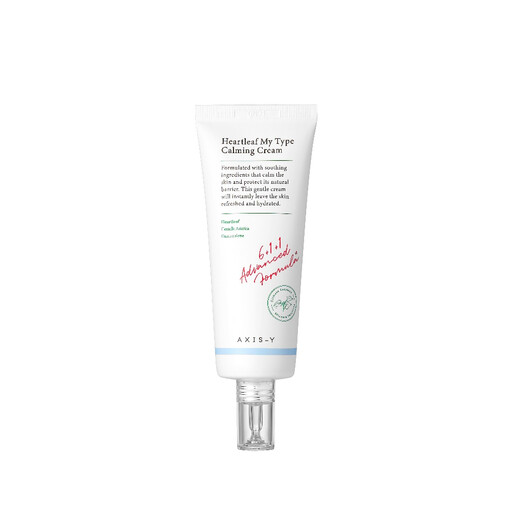
Why This Fits Their Persona: A Korean moisturiser with a lightweight gel-cream texture for people who prefer quick absorption and a less greasy finish under make-up.
The listing identifies a vegan-certified, cruelty-free formula and provides a full ingredient list. A patch test remains appropriate because individual sensitivities vary.
60ml size; contains glycerin, sodium hyaluronate, heartleaf and centella asiatica extracts; lightweight gel-cream texture.
We have compiled a complete, real-time list of products that fully satisfy these strict selection criteria and UK safety regulations.
Apply face moisturiser after cleansing, while skin is still comfortable but not dripping wet. Start with a small amount and add more only where needed. For a night cream, apply it as the final step unless your product instructions state otherwise.
Use body moisturiser after bathing or showering, paying attention to elbows, knees, shins and hands. If you are trying a new active ingredient or fragranced formula, patch test first rather than applying it immediately over your entire face or body.
A barrier repair cream can be useful when your skin feels dry or tight, but avoid layering several potentially irritating products at once. If persistent irritation or a suspected skin condition concerns you, seek advice from a qualified healthcare professional.
The lifespan depends on the size, amount used and whether it is applied to the face or whole body. A 50ml face cream may last several weeks to a few months, while a 380ml or 400ml body moisturiser can last considerably longer. Follow the packaging’s period-after-opening symbol and storage instructions.
Sometimes, but it depends on the formulation. Body creams may be richer, more strongly fragranced or less suited to facial pores. Check the product directions and ingredient list before using one on your face, particularly if you have sensitive or acne-prone skin.
No. A moisturiser with SPF can provide some daytime protection according to its stated rating, but it should not be considered a replacement for dedicated sunscreen during prolonged outdoor exposure. Apply sunscreen as directed when meaningful sun exposure is expected.