
24/7 Customer Support

Free returns

Same-day & Next-day Delivery

Quality Guaranteed

Unlock Your Welcome Offers: FREE Delivery | Up to 80% OFF | Free 30-day JoyPlus trial
Download the APP
Navigating the world of protein powders can feel overwhelming. With countless options available, each promising different results, it’s difficult to know which one truly aligns with your fitness goals, dietary needs and lifestyle. Whether you're aiming to build muscle, manage your weight or simply supplement your diet, the right protein powder can be a valuable tool.
This guide is designed to cut through the clutter. As the Joybuy Product Recommendation Officer, my role is to provide clear, practical information to help you compare different types of protein powder and make a choice that works for you. We will explore the key factors to consider, from protein sources to specific formulations, so you can feel confident in your selection.
Before looking at specific products, understanding a few key principles will help you narrow down your options. Consider these points to match a powder to your personal requirements.
The source of the protein is the most significant differentiator. Each type offers a unique profile of amino acids and digestive properties.
Your reason for taking protein powder should guide your choice.
Here are a few standout options, selected to suit a range of different goals and dietary preferences.

Why It Stands Out: This powder is specifically formulated for those on a plant-based diet who are also focused on weight management. It combines a blend of pea and soya protein with active ingredients intended to support fat loss goals, all while keeping calories to a minimum.
Pros:
Who is it for? This is an ideal choice for vegans, vegetarians or anyone seeking a diet protein shake for weight loss. Its formulation is tailored to support a lean physique while on a calorie-controlled diet.

Why It Stands Out: This product is a long-standing favourite in the fitness community for good reason. It uses a triple-blend of whey protein isolate, concentrate and hydrolysed whey, providing a staged release of amino acids to nourish muscles effectively after a workout.
Pros:
Who is it for? A versatile option suitable for a wide range of fitness enthusiasts, from regular gym-goers to serious athletes, who need a reliable and effective protein source for post-exercise recovery.
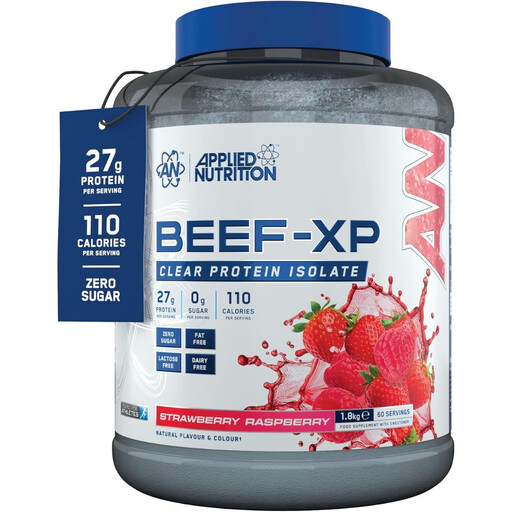
Why It Stands Out: For those who need to avoid dairy and soy, this beef protein isolate offers a powerful alternative. It delivers a high dose of protein with virtually no fat or sugar, making it a very clean source for supporting lean muscle growth.
Pros:
Who is it for? This powder is perfect for individuals with lactose intolerance or dairy allergies. It's also a great choice for anyone on a paleo-style diet or those looking to diversify their protein sources away from whey and plant-based options.
If your primary goal is weight management and you're looking for a supplement that fits neatly into a calorie-controlled plan, the products above are just the beginning. To see more powders specifically designed to be low in calories, you can explore our full range of low calorie protein powder options.
1. When is the best time to take protein powder? The optimal time depends on your goals. For muscle recovery, consuming a protein shake within 30-60 minutes after your workout is often recommended. However, it can also be used to boost the protein content of a meal (like in breakfast oats or a smoothie), as a filling snack between meals to curb hunger or before bed to support overnight muscle repair.
2. Can protein powder help with weight loss? Yes, it can be a useful tool. Protein is more satiating than carbohydrates or fats, meaning it can help you feel fuller for longer, potentially reducing overall calorie intake. A low calorie protein powder can serve as a convenient, portion-controlled meal replacement or snack that helps you meet your protein needs while staying within your daily calorie target.
3. Is whey or vegan protein better? Neither is inherently "better"; the right choice depends on your dietary needs and preferences. Whey protein is known for its fast absorption and complete amino acid profile. However, high-quality vegan protein powder blends now offer comparable amino acid profiles and are essential for those who are lactose intolerant, allergic to dairy or follow a plant-based lifestyle. Both can effectively support muscle growth and recovery when used correctly.