
24/7 Customer Support

Free returns

Same-day & Next-day Delivery

Quality Guaranteed

Unlock Your Welcome Offers: FREE Delivery | Up to 80% OFF | Free 30-day JoyPlus trial
Download the APP
Navigating the shampoo aisle can feel overwhelming. With countless bottles promising miraculous transformations, it's easy to fall for marketing hype and end up with a product that doesn't suit your hair or, worse, exacerbates your problems. As the Joybuy Product Recommendation Officer, my role is to help you cut through the clutter and make an informed choice. Before you add another bottle to your basket, let's look at the common purchasing traps many UK shoppers encounter.
1. The "Sulphate-Free is Always Better" Myth: The term sulphate-free shampoo has become a major buzzword. While sulphates (like Sodium Lauryl Sulfate) can be too stripping for those with very dry, sensitive or coloured hair, they are highly effective cleansers for greasy hair types. The trap is assuming "sulphate-free" automatically means "gentle." Some alternatives can still be harsh, or formulas may be too weak to properly cleanse the scalp, leading to product build-up and limp, lifeless hair.
2. The "Natural" & "Organic" Illusion: Brands often highlight a single botanical ingredient to give a product a "natural" feel. However, these terms are not strictly regulated in the UK cosmetics industry. A shampoo might be marketed as a natural shampoo but contain only a trace amount of the advertised extract, with the bulk of the formula being standard synthetic ingredients. The key is to look at the full ingredient list, not just the front-of-bottle claims.
3. The Promise of Permanent "Repair": Hair is a non-living fibre. Once a strand is split or severely damaged by heat or chemical treatments, no shampoo can permanently fuse it back together. While certain ingredients can temporarily smooth the hair cuticle, add moisture and improve its appearance, they cannot reverse the damage. Buying expensive "repair" shampoos with this expectation often leads to disappointment.
To find the right shampoo, you need to become your own hair detective. Focus on these core parameters rather than just the marketing slogans.
Your shampoo's primary job is to cleanse your scalp. Mismatched cleansing can cause a cascade of hair issues.
shampoo for greasy hair. Look for ingredients that can help regulate sebum, such as Salicylic Acid or citrus extracts.hydrating shampoo or a gentle shampoo for sensitive scalp. Avoid harsh detergents and look for soothing ingredients like Glycerin, Shea Butter or formulas specifically designed to be pH-balanced.daily shampoo will suffice to maintain its balance.Surfactants are the ingredients that create lather and remove dirt and oil. Understanding the difference is crucial.
shampoo for coloured hair needs, as they can strip moisture and colour.Once the cleansing base is right, look for active ingredients that target your specific hair concern.
shampoo for dry hair): Seek out humectants and emollients like Hyaluronic Acid, Glycerin, Coconut Oil and Macadamia Nut Oil.anti-dandruff shampoo): Effective formulas often contain active ingredients like Piroctone Olamine or Salicylic Acid to help balance the scalp's microbiome.volumising shampoo): Lightweight, often silicone-free formulas with ingredients like Biotin or Keratin proteins can help add body without weighing hair down.shampoo for coloured hair): Gentle, often sulphate-free cleansers are essential to prevent premature fading of your hair colour.Based on these practical criteria, here are a few shampoos that align with specific user needs and avoid the common purchasing pitfalls.
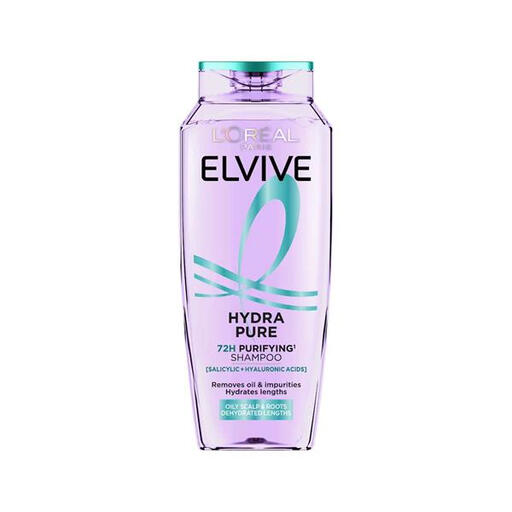
Why This Fits Their Persona: This is for the individual who struggles with a greasy scalp that requires frequent washing, but whose lengths and ends become dehydrated and frizzy. It addresses both issues simultaneously.
Instead of just being "gentle," it uses targeted ingredients. Salicylic acid effectively purifies the scalp of excess oil, while hyaluronic acid provides lightweight hydration to the lengths without causing build-up.
It provides a balanced cleanse, purifying the scalp while hydrating the ends. The silicone-free formula ensures hair remains lightweight and bouncy.
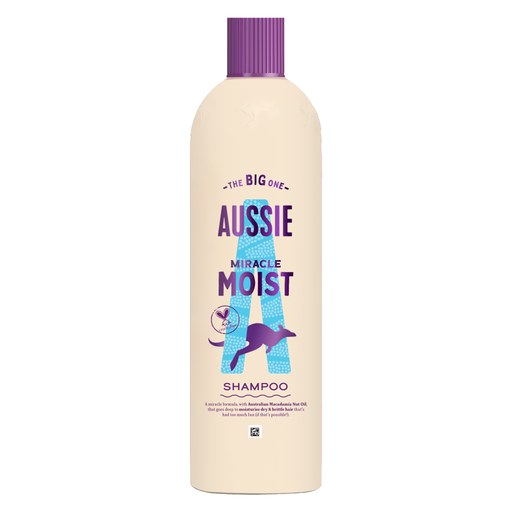
Why This Fits Their Persona: Ideal for someone whose hair feels brittle, looks dull and is prone to frizz due to dryness or processing. They need a powerful dose of moisture from their cleansing step.
It doesn't just promise "repair." Its focus is on intense hydration, which is an achievable goal for a shampoo. The formula is built around Australian Macadamia Nut Oil, a known emollient that helps to soften and smooth hair.
Provides a noticeable boost in moisture and softness for very dry hair. It's also a PETA-certified cruelty-free product.
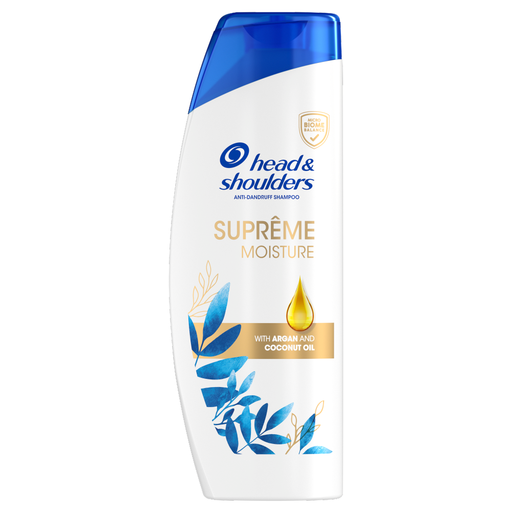
Why This Fits Their Persona: This user needs effective anti-dandruff action but finds that many medicated shampoos leave their hair feeling like straw. They need a solution that tackles flakes while also providing nourishment.
It combines a proven anti-dandruff active, Piroctone Olamine, with nourishing ingredients. The addition of Argan and Coconut Oil counteracts the potential drying effect of the treatment, addressing both scalp health and hair condition.
This is a multi-tasking formula that provides anti-dandruff protection while leaving hair soft and moisturised. It is pH balanced and dermatologically tested for daily use.
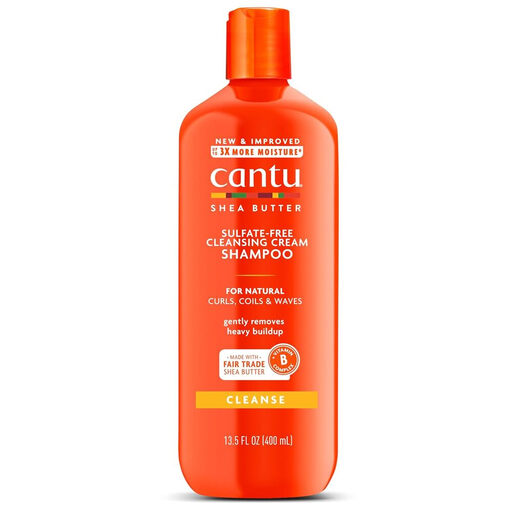
Why This Fits Their Persona: This is for the user with natural, curly or colour-treated hair who wants to avoid harsh chemicals. They need a shampoo that cleanses effectively without stripping the hair's natural oils.
This product goes beyond just being "sulphate-free." It is also formulated without mineral oil, parabens and silicones. It uses Shea Butter to provide moisture during the cleansing process, which is crucial for textured and dry hair types.
It creates a rich lather that removes product build-up while being gentle on the hair. It's an excellent choice for maintaining moisture in natural and colour-treated hair.
We have compiled a complete, real-time list of products that fully satisfy these strict selection criteria and UK safety regulations.
There is no single correct answer; it depends entirely on your scalp type. Those with greasy scalps may need to wash daily to prevent oil build-up, while those with very dry or curly hair might find that washing once or twice a week is sufficient to keep their hair and scalp healthy without stripping essential moisture.
Your hair doesn't "get used to" a shampoo. What's more likely is that your hair's needs have changed due to seasonal weather, hormonal shifts or a new hair treatment. If your shampoo stops working, it's a sign to re-evaluate your current scalp and hair condition and select a product that matches your new needs.
Not always. The effectiveness of a shampoo is determined by its formulation, not its price tag. An affordable, well-formulated shampoo from the chemist that matches your hair type will always outperform an expensive salon brand that doesn't. Focus on the ingredient list and your specific needs to find the true value.